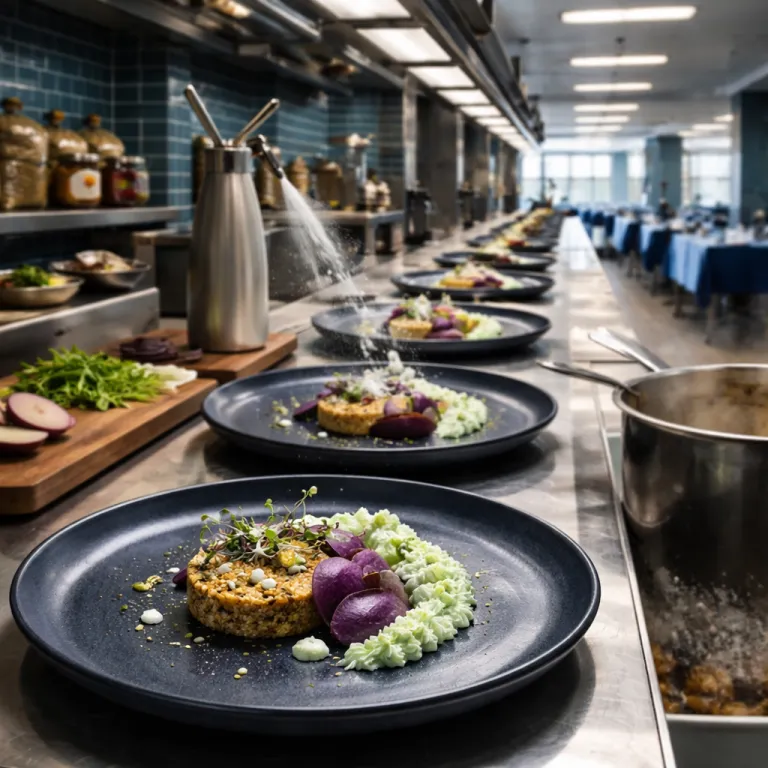
The bolivia female chefs gastronomy movement and the new map of luxury dining
In La Paz, a new generation of women in professional kitchens is quietly rewriting what luxury means at the table. For travelers used to white tablecloth clichés across Latin America, Bolivia offers something sharper, where every plate of Bolivian cuisine carries market stories, altitude science and a clear sense of purpose. The result is a fine dining landscape in La Paz where the best restaurants feel less like temples of ego and more like windows into a living, female led culinary archive.
At the center of this shift stands Gustu, the La Paz restaurant that first positioned Bolivian gastronomy on the Latin America map for serious diners. Conceived with Nordic rigor by Danish restaurateur Claus Meyer, co-founder of Noma, and executed on the ground by a new generation of chef Bolivia talents, Gustu became a training ground where women moved from markets to the pass, from home cooking to tasting menus. Opened in 2013, the restaurant has since acted as a launchpad for many women now leading their own projects, and today the bolivia female chefs gastronomy movement radiates from this dining room south of the city center into cafés, wine focused dining rooms and even the most polished restaurants bars in the capital.
Marsia Taha, recognized in 2021 as Latin America’s Best Female Chef by Latin America’s 50 Best Restaurants, leads the kitchen at Gustu with a philosophy that feels tailor made for business leisure travelers. She treats Bolivia as a melting pot of ecosystems, moving from Amazonian river fish to highland tubers in a single tasting menu, while insisting that every ingredient has a name, a producer and a story. For guests booking premium hotels through specialist Bolivia travel agencies, securing a table with Taha and her team is no longer an optional extra; it is the anchor experience that turns a stay in La Paz into time well spent in one of South America’s most compelling food cities.
This bolivia female chefs gastronomy movement is not only about awards or the label of Latin America’s 50 Best lists, even if those accolades help. It is about how a Bolivian female chef like Taha or her peers uses fine dining as a window into communities that have cooked for centuries but were rarely credited as culinary innovators. When you sit down in one of the best restaurants in La Paz today, you are entering a conversation between Latin America modernity and ancestral Bolivian cuisine, mediated by women who grew up inside that tradition and now lead the brigade.
For luxury travelers, this matters because it changes what counts as the best in Bolivia. Instead of chasing imported caviar or generic steakhouse menus, the bolivia female chefs gastronomy movement invites you to taste beef heart skewers glazed with Andean herbs, or a delicate course built around a single native potato variety. This is where the country stands apart from other destinations in South America; the most memorable food is not a copy of Europe or North America, but a confident expression of Bolivian identity shaped by female leadership.
From market cholitas to tasting menus: how women built Bolivia's culinary backbone
Walk through any market in La Paz and you will see the roots of the bolivia female chefs gastronomy movement long before you reach a restaurant. Cholita vendors, often in layered skirts and bowler hats, have run the food economy of this country for generations, deciding which potatoes, grains and herbs reach city tables. What is new is that their daughters and granddaughters now step into professional cooking, turning inherited knowledge into the backbone of Bolivian gastronomy at the highest level.
National Geographic reporting from the late 2010s suggests that roughly one third of chefs in Bolivia are women, and that women owned restaurants have increased significantly since the early part of this decade. Those numbers are not abstract; they show up in the kitchens of Gustu, in the team behind Imilla Alzada, and in the growing constellation of women led restaurants Latin in La Paz Bolivia. Female chefs here move fluently between market stalls and fine dining rooms, treating each plate as a window onto the communities that grow their food.
One emblematic figure in this bolivia female chefs gastronomy movement is Emiliana Quispe, often cited in local media as one of the first indigenous Aymara women to graduate as a professional chef in Bolivia. Her trajectory from rural highlands to restaurant kitchen mirrors the path of many young women who now see cooking not only as domestic duty but as a respected career in Latin America. When a female chef like Quispe steps into a restaurant south of the city center or joins a project linked to Gustu, she brings with her a precise memory of how her family treated quinoa, chuño or llama meat at home.
This market to restaurant pipeline is what gives Bolivian cuisine its current edge over more homogenized scenes elsewhere in South America. In many capitals across the continent, male dominated brigades still chase the same global trends, from Nordic minimalism to Japanese inflected seafood, often with little connection to local producers. In La Paz, by contrast, the bolivia female chefs gastronomy movement keeps the focus on indigenous ingredients and seasonal rhythms, which means that the best restaurants feel grounded in the country rather than in international fashion.
For travelers booking high end stays, this has practical implications for how you plan your time and your meals. A lunch at a women led restaurant in La Paz Bolivia might start with a refined take on market soups, then move to grilled beef heart inspired by anticuchos sold on street corners, before ending with a dessert built around high altitude honey. The experience is luxurious not because it imitates Latin America’s 50 Best lists, but because it offers rare access to the living culture of Bolivia through food shaped by women who have always fed the city.
Inside Gustu and beyond: female leadership reshaping La Paz fine dining
To understand how the bolivia female chefs gastronomy movement intersects with luxury travel, you need to look closely at how Gustu operates today. Under Marsia Taha, the restaurant has evolved from a Nordic inspired experiment by Claus Meyer into a deeply Bolivian fine dining institution that still feels intimate and precise. The tasting menu reads like a map of the country, but the voice guiding you through it is unmistakably female, attentive to community, sustainability and the quiet power of everyday cooking.
At Gustu, the brigade treats each ingredient as a protagonist, whether it is Amazonian fish, Andean grains or a humble root vegetable from a high plateau farm. This approach reflects the broader bolivia female chefs gastronomy movement, where women chefs prioritize relationships with local farmers and indigenous communities over abstract culinary trends. When you sit at a table here, you are not only tasting Bolivian cuisine; you are participating in an economic ecosystem that channels fine dining revenue back into rural areas across the country.
The presence of figures like Danish chef Kamilla Seidler, who helped shape Gustu in its early years and was named Latin America’s Best Female Chef in 2016 by Latin America’s 50 Best Restaurants, and current leaders such as Taha, shows how international and local perspectives can coexist in one kitchen. Seidler, often cited among the best chefs in Latin America, brought a disciplined approach to technique, while Taha and her Bolivian équipe rooted that technique in lived experience of the land. Together with collaborators like Michelangelo Cestari and the broader team around Gustu, they turned the restaurant into a training ground where young female cooks could move from prep to leadership roles.
This is where the contrast with more traditional, male dominated kitchens in Latin America becomes clear for visiting diners. In many capitals, the chef is a distant figure, and the brigade runs on hierarchy and fear, with little space for dialogue about sourcing or community impact. In La Paz, the bolivia female chefs gastronomy movement has normalized a different model, where a female chef might step out of the kitchen to explain how a beef heart course supports a specific producer, or how a dessert preserves a nearly forgotten variety of cacao from the Amazon.
For business leisure travelers staying in high end hotels, this leadership style translates into a more engaged, less transactional dining experience. You might book a table at Gustu after reading a guide to luxury and premium hotel booking websites in Bolivia, then find yourself in a room where the energy feels collaborative rather than intimidating. That atmosphere, shaped by women at every level of the brigade, is part of what makes Gustu and its alumni projects some of the best restaurants for travelers who care about both taste and ethics in South America.
Where to eat now: hotels, itineraries and the future of Bolivia's female led kitchens
For travelers using curated Bolivia travel platforms to plan a high end stay, the bolivia female chefs gastronomy movement should guide how you choose both hotels and restaurants. In La Paz, prioritize properties that understand guests will organize their time around food, not the other way around, and that can secure reservations at Gustu or other women led addresses. A concierge who knows the difference between a generic restaurant south of the center and a project led by a rising female chef is now as valuable as a mountain view.
Build at least one evening around Gustu, where Taha and her team continue to refine a tasting menu that feels like a curated tour of Bolivia. Then add lunches or dinners at smaller restaurants Latin in neighborhoods like Sopocachi, where alumni of the Gustu kitchen, including women who trained under Kamilla Seidler or Marsia Taha, now run their own projects. Many of these places blur the line between restaurants bars and cafés, serving serious food in relaxed rooms where you can linger over Andean wines or coffee from Yungas valleys.
Beyond La Paz, the bolivia female chefs gastronomy movement is beginning to influence how hotels across the country think about their own kitchens. In Uyuni, Sucre or Santa Cruz, you will increasingly find menus that highlight Bolivian gastronomy with the same respect for indigenous ingredients seen in the capital, often with women leading the cooking teams. As you travel through South America, this makes Bolivia stand out as a country where hotel dining can be more than an afterthought, especially when a female chef is given the freedom to design a menu that reflects local markets.
For international guests, there is also a deeper ethical dimension to choosing these tables over more anonymous options. When you book a room and then dine at a place shaped by the bolivia female chefs gastronomy movement, you are supporting economic independence for women and helping preserve traditional recipes that might otherwise fade. As one local summary puts it without exaggeration, “Female chefs are redefining Bolivia’s gastronomic identity by showcasing indigenous ingredients, promoting economic independence for women, and preserving traditional recipes.”
In a region where many of the most famous kitchens still center male narratives, Bolivia offers a rare counterpoint that feels both grounded and forward looking. The combination of Claus Meyer as visionary founder, early collaborators like Kamilla Seidler, and current leaders such as Marsia Taha has created a platform where women can shape what Latin America’s 50 Best lists will consider the next wave of Latin America dining. For the traveler, that means your next business trip extension in La Paz Bolivia can double as a front row seat to one of the most compelling food movements in the Americas, with every plate, from humble beef heart to intricate tasting menu course, telling a story led by women.
Key figures behind Bolivia's female led culinary rise
- Approximately one third of chefs in Bolivia are women, according to National Geographic coverage of the country’s food scene published in the late 2010s, a higher share than in many neighboring countries in South America where professional kitchens remain more heavily male dominated.
- Women owned restaurants in Bolivia have increased markedly since the early part of this decade, based on National Geographic reporting, signaling a rapid shift in ownership and leadership that travelers can directly support through their dining choices.
- Marsia Taha of Gustu has been recognized as Latin America’s Best Female Chef 2021 by Latin America’s 50 Best Restaurants, placing a Bolivian female chef at the center of the Latin America fine dining conversation for the first time.
- The ongoing culinary revolution in La Paz and beyond focuses on three linked goals — showcasing indigenous ingredients, promoting economic independence for women and preserving traditional recipes — which together define the bolivia female chefs gastronomy movement that visitors now experience in leading restaurants.
Sources and further reading
- CNN Travel coverage of Bolivia’s emerging food scene and top restaurants in La Paz, including profiles of Gustu and its chefs.
- Best Regards From Far feature on fine dining in La Paz and the role of Gustu in promoting Bolivian gastronomy.
- National Geographic reporting on the rise of women chefs and women owned restaurants in Bolivia, with data on the share of female professionals in the country’s kitchens.