Palacio de Sal hotel Uyuni salt hotel review: first impressions on the edge of the salar
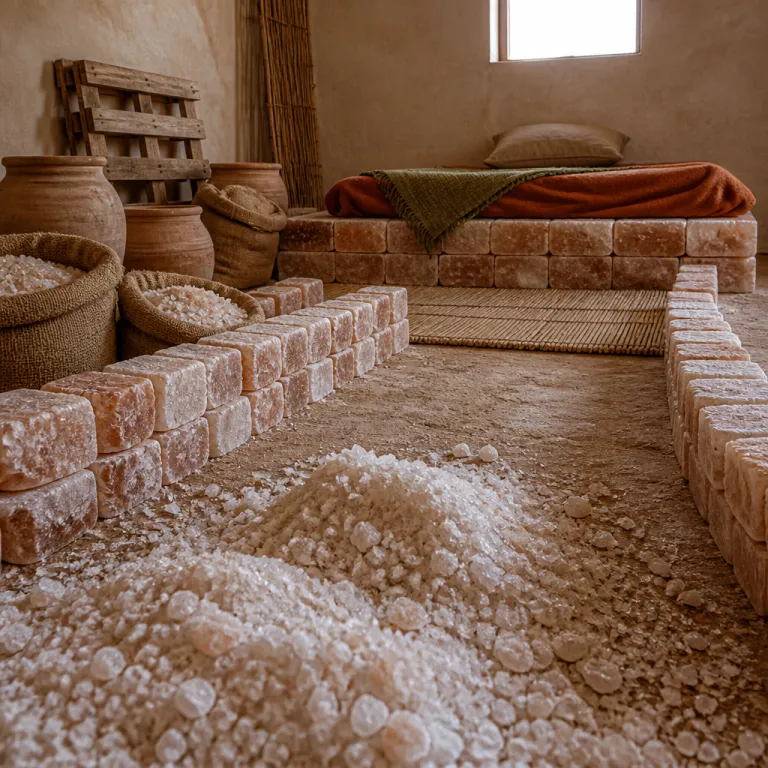
Arriving at Palacio de Sal feels like reaching a mirage built from minerals. The hotel rises from the salar like a low white fortress, its walls, floors, and much of its furniture crafted from compacted salt blocks cut directly from the nearby salt flats. You are in Colchani, a quiet settlement in Potosí, about 25 km from Uyuni city center and firmly within the hypnotic emptiness of southern Bolivia.
This palacio is not a gimmick; it is the original vision of founder Juan Quesada Valda, widely credited as the pioneer who turned the idea of a salt hotel into a functioning property in the Uyuni area. The current Palacio de Sal building is the refined successor to his first experiment, rebuilt with better engineering and stricter sustainability standards after the original structure was dismantled. That history matters, because it explains why Palacio de Sal feels more resolved than many newer hotels scattered around the Uyuni area.
The location is its greatest luxury and its greatest test. You are staying at roughly 3,650 meters above sea level, on the shores of the Salar de Uyuni, the largest salt flats on the planet. Before you book, read an altitude travel playbook such as the one on how to arrive at 3 600 meters in comfort, because the thin air shapes everything from sleep quality to how much wine you should drink at dinner.
From the entrance, the design language is clear and consistent. Salt blocks form arches, corridors, and low walls, while crushed Uyuni salt grains crunch softly underfoot in some common areas, reminding you that this is not a standard hotel in any sense. The palette is mostly white and sand, with textiles from across Bolivia adding warmth and color to the otherwise monochrome Salar de Uyuni landscape, and a faint mineral scent in the air that feels more like dry stone than sea salt.
Guests who have stayed nights here often mention the immediate sense of calm. The wide horizon of the salar and the absence of city noise fill the mind with a rare quiet, which couples tend to appreciate after long travel days across Bolivia. Early impressions in many hotel reviews highlight the contrast between the stark exterior and the surprisingly cozy rooms, a contrast that sets the tone for this Palacio de Sal experience.
What the salt walls, rooms, and beds actually feel like
Step into your room and the first thing you notice is texture. The walls are made of stacked salt bricks, their surfaces slightly rough, while the floors in many rooms combine polished concrete with salt granules that give a subtle crunch as you walk. Furniture bases, bed frames, and some seating are also sculpted from salt blocks, then topped with textiles and mattresses that soften the mineral geometry.
Officially, the hotel states: "Yes, walls, floors, and furniture are made of salt blocks." That is accurate, but it does not mean you should treat the room like a tasting plate, and the management is clear about this with another rule posted discreetly in common areas: "No, licking walls is prohibited to prevent degradation."
In practical terms, sleeping in a salt hotel is less strange than you might expect. A deluxe room with a queen bed or twin beds feels like a well-insulated mountain lodge, with thick duvets and electric heating compensating for the freezing salar nights. Humidity is low, so the salt structure stays dry and solid, and the air in the rooms rarely feels damp, even when guests use the spa facilities or spend time near the indoor pool.
Temperature management is where Palacio de Sal shows its experience. The Salar de Uyuni plateau can drop well below zero after sunset, yet the rooms maintain a stable, comfortable climate thanks to a mix of insulation and heating systems that respect the salt architecture. Couples who stayed nights during colder months often note in their hotel reviews that they slept better here than in some higher-end hotels in La Paz, precisely because the rooms are quiet, dark, and thermally consistent.
Sound insulation is another pleasant surprise. Salt blocks are dense, and the way the corridors are laid out reduces echo, so you rarely hear other guests once you close your door. For a palace built from such unconventional materials, the overall feeling inside the rooms is reassuringly solid and good, more like a grounded mountain retreat than a novelty stay on the edge of the Uyuni flats.
Spa, pool, and dining: comfort in the middle of Uyuni Bolivia
Once you have settled into your room, the next question is simple. Does Palacio de Sal deliver the level of comfort and service that a luxury traveler expects after crossing so many Uyuni miles on dusty roads? The answer depends on how you value atmosphere, spa rituals, and the rare pleasure of swimming beside the salt flats.
The spa at this salt hotel leans into the mineral theme without turning it into a caricature. Therapists use salt-based scrubs and warm compresses, and there is a sauna and a saltwater pool that feels particularly indulgent after a day exploring the salar. The indoor pool area is compact rather than grand, but the views toward the Salar de Uyuni horizon and the filtered light through salt walls create a cocoon that couples tend to linger in.
Dining is a highlight when the kitchen is in full rhythm. Expect Bolivian staples such as quinoa, llama, and Andean potatoes, alongside international dishes adapted for the altitude and the hotel’s remote location. Because you are far from any city center, you will likely eat most meals on site, so it is worth checking recent hotel reviews to see how guests rate the current chef and service team.
Breakfasts are generous, with hot options that help you fill up before long excursions across the Uyuni salt flats. In the evenings, the restaurant’s panoramic windows frame the salar as it shifts from blinding white to deep blue, then to a star field that feels close enough to touch. For couples planning a romantic trip during peak travel months such as July and August, it is wise to secure your preferred dates early using curated guides such as which Bolivian hotels to book before high season.
Service is generally warm and attentive, with a local équipe that understands both the challenges of operating in this remote area and the expectations of international guests. When issues arise, they tend to be linked to the realities of Uyuni Bolivia logistics rather than staff attitude, and most reviews agree that the team handles delays or shortages with transparency. For a hotel built from salt blocks on the edge of the world’s largest salar, the overall comfort level is impressively consistent.
Palacio de Sal versus Luna Salada and Kachi Lodge
Choosing where to sleep around the Uyuni salt flats is less about star ratings and more about how isolated you want to feel. Palacio de Sal, Luna Salada, and Kachi Lodge all sit within reach of the salar, yet they offer very different interpretations of a salt hotel stay. Understanding those differences will help you match your expectations to the right property and avoid disappointment.
Palacio de Sal positions itself as the original salt hotel palacio, with around 42 rooms and a full set of amenities including a spa, an indoor pool, and generous common areas. Luna Salada, another well-known salt hotel built from blocks of mineral, leans slightly more rustic in some wings, with dramatic views and a similar focus on the Uyuni salt landscape. Kachi Lodge, by contrast, is a high-design camp of geodesic domes set directly on the salar, with far fewer rooms and higher prices that reflect its ultra-remote location and all-inclusive model.
If you want a classic hotel structure with corridors, a defined lobby, and the ability to mingle with other guests, Palacio de Sal and Luna Salada are better fits. Couples who stayed nights at both often describe Palacio as a touch more polished in its room finishes, while Luna Salada can feel more atmospheric thanks to its cliffside position above the flats. Kachi Lodge excels at immersion, placing you right on the Salar de Uyuni surface, but you trade easy access to the broader area for that sense of isolation.
From a value perspective, Palacio de Sal usually offers more moderate prices than Kachi Lodge while still delivering a strong sense of place and a full-service salt hotel experience. When you compare hotel reviews across these hotels, focus less on star scores and more on comments about heating, hot water, and how the staff handle the inevitable weather disruptions that come with life on the Uyuni flats. For a broader view of where to sleep around the salar in different seasons, consult curated overviews such as seasonal Uyuni hotel picks that track openings and operational changes.
In the end, Palacio de Sal sits in a sweet spot for many couples. It offers the novelty of a salt hotel with the reassurance of a well-established operation, backed by a hospitality group that also invests in cultural projects such as the SalarFF film festival. If you want to feel the salar’s vastness by day and return to a structured, comfortable palace of salt at night, this hotel remains one of the most compelling choices in Uyuni Bolivia.
Practicalities: prices, logistics, and how to choose your room
Planning a stay at Palacio de Sal starts with understanding its remote context. You are not booking a city center hotel where you can step outside for a different restaurant every night, because the property sits on the edge of the salar with nothing but salt and sky in most directions. That isolation is part of the appeal, but it also means you should think carefully about room type, board options, and how you will reach the hotel from Uyuni.
Room categories typically range from standard rooms with twin beds to larger suites and at least one deluxe room with a queen bed and more generous seating. Couples often prefer the deluxe room category for the extra space and better views toward the flats, especially if they plan to spend quiet afternoons reading or working between excursions. Families or friends traveling together might opt for rooms with twin beds, which still maintain the salt hotel aesthetic with walls and furniture carved from salt blocks.
Prices fluctuate with season, demand, and whether you book directly or through a curated platform that specializes in Bolivia. Because supply around the Uyuni salt flats is limited, the best rooms at Palacio de Sal and other hotels can fill quickly during the mirror season, roughly January to March, when shallow water turns the salar into a natural sky reflection. It is worth comparing several hotel reviews and recent guest comments about value, since what feels like a good rate for one traveler may seem high for another depending on expectations and how many nights they stayed.
Transfers from Uyuni town or Uyuni airport are usually arranged through the hotel or through your tour operator. The drive across the flats and surrounding area takes around 30 to 45 minutes depending on conditions, and many guests appreciate arriving in daylight to fully absorb the Salar de Uyuni panorama. If you are combining Palacio de Sal with other hotels in Bolivia, consider using a planning resource such as a seasonal guide to Salar de Uyuni hotels to sequence your stays logically.
One final practical note concerns what you bring. The dry air and reflective salt surface can be intense, so pack strong sun protection, layers for cold nights, and footwear that can handle both the hotel’s salt floors and the sometimes wet surface of the flats. With the right preparation, the logistics fade into the background, leaving you free to focus on the rare experience of waking up in a palace built from salt on the edge of the world’s most otherworldly landscape.
Is Palacio de Sal right for you as a luxury traveler
Not every luxury traveler will fall in love with Palacio de Sal, and that is precisely why an honest Palacio de Sal hotel Uyuni salt hotel review matters. This is a hotel defined by its material and its setting, not by marble lobbies or endless dining outlets. If your idea of comfort is a perfectly controlled urban tower with instant access to shopping, you may find the salar’s emptiness confronting.
For couples who value sense of place over conventional opulence, however, Palacio de Sal can feel quietly extraordinary. The combination of salt architecture, attentive staff, and the vast Salar de Uyuni horizon creates a mood that is hard to replicate anywhere else in Bolivia or beyond. Many guests who stayed nights here describe the experience less as a standard hotel stay and more as a gentle immersion into the rhythms of the flats.
From an E‑E‑A‑T perspective, the property benefits from its long history and the expertise of local artisans who still work with traditional salt cutting tools. The management’s focus on sustainable tourism and the use of local resources aligns with broader trends in experiential travel, and the hotel’s role in boosting the regional economy gives your stay a sense of contributing to something larger than a single trip. When you read hotel reviews, look for detailed comments about how the team handles altitude issues, weather disruptions, and special requests, because those are the moments that reveal true hospitality quality.
Ultimately, Palacio de Sal is best suited to travelers who are willing to trade some urban conveniences for a deeper connection to the Uyuni salt flats. If you arrive prepared for altitude, accept that Wi‑Fi may not always be perfect, and focus on the salar’s light, silence, and scale, the salt hotel experience becomes far more than a novelty. You leave not just with photos of salt walls and a queen bed carved from minerals, but with a clearer sense of what it means to sleep inside the landscape rather than merely beside it.
FAQ
Is everything in Palacio de Sal really made of salt
Yes, the core structure of Palacio de Sal uses salt blocks cut from the nearby salar, including walls, floors, and much of the fixed furniture. The hotel confirms this with the statement: "Yes, walls, floors, and furniture are made of salt blocks." Soft furnishings such as mattresses, linens, and textiles are of course made from conventional materials to ensure comfort.
Can guests lick the salt walls inside the hotel
No, guests are explicitly asked not to lick the salt walls, even though the idea is tempting for some visitors. The property states clearly: "No, licking walls is prohibited to prevent degradation." Respecting this rule helps preserve the structure so future travelers can enjoy the same Palacio de Sal hotel Uyuni salt hotel review experience.
How many rooms does Palacio de Sal have and what are the options
Palacio de Sal offers around 42 rooms in total, ranging from standard categories with twin beds to larger suites and at least one deluxe room with a queen bed. All rooms incorporate salt architecture in their walls and furniture bases, while modern bedding and heating ensure comfort at altitude. Couples often choose higher categories for better views of the Uyuni salt flats and more generous space.
What amenities are available at Palacio de Sal
The hotel features a spa with salt-based treatments, a sauna, and a saltwater indoor pool that overlooks the Salar de Uyuni landscape. There is also a restaurant serving Bolivian and international dishes, plus common areas where guests can relax between excursions. These amenities make Palacio de Sal feel more like a full-service resort than a simple stopover hotel on the edge of Uyuni Bolivia.
How far is Palacio de Sal from Uyuni town and how do you get there
Palacio de Sal is located near Colchani on the shores of the Salar de Uyuni, roughly 25 km from Uyuni town and its small airport. Transfers usually take 30 to 45 minutes by 4x4 vehicle, and they are commonly arranged through the hotel or through tour operators that include the property in multi-day Salar de Uyuni itineraries. Arriving in daylight is recommended so you can fully appreciate the salt flats and the hotel’s unique location.