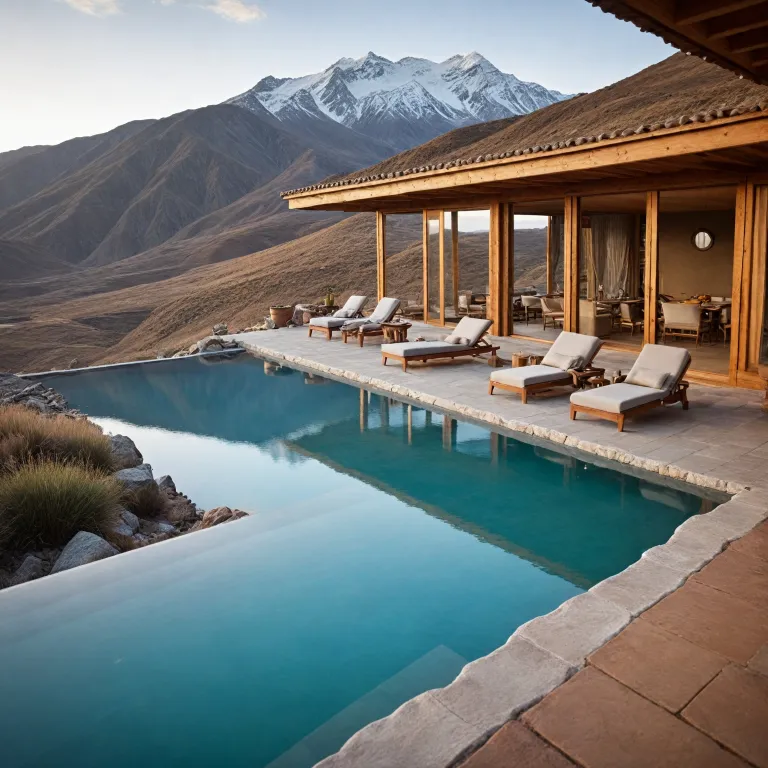
Planning refined bolivia trips around luxury stays
Planning bolivia trips with a focus on luxury begins with understanding the country’s geography and travel rhythm. Bolivia stretches from the high Andes to the Amazon Basin, so each trip must balance altitude, climate, and the duration of stays in La Paz, Uyuni, Sucre, Potosí, and Santa Cruz de la Sierra. When travelers map their days carefully, they can align every tour, transfer, and hotel with comfort, safety, and style.
Under President Rodrigo Paz, visa rules have eased for many nationalities, which makes it simpler to visit Bolivia and extend trips without bureaucratic stress. As of December 1, 2025, U.S. citizens can enter Bolivia visa-free for up to 90 days. This longer duration gives travelers the freedom to plan bolivia tours that include both the Uyuni salt flats and Lake Titicaca, plus time in Santa Cruz or the Amazon, without rushing between destinations.
Luxury focused bolivia trips should always factor in altitude and logistics before choosing a hotel. La Paz and the Salar de Uyuni sit above 3 600 meters, so travelers need a few days to acclimatize before any demanding tour or long excursions across the salt flats. Smart planning of duration days in each city allows guests to enjoy high end spas, heated pools, and oxygen enriched rooms instead of battling altitude sickness in transit.
For many visitors, the best time to visit Bolivia for comfort and clear skies is the dry season from May to October. What are the best times to visit Bolivia? Dry season (May-October) is best for high-altitude areas; wet season (Nov-Mar) brings rain, flooding, and more limited access to remote roads. Aligning your time to visit with this window helps ensure that every trip, from La Paz to Uyuni and onward to Lake Titicaca, runs smoothly.
Choosing luxury hotels for La Paz, Sucre, and Santa Cruz
When planning bolivia trips that start or end in La Paz, the choice of hotel shapes the entire experience. The city’s dramatic setting above 3 600 meters means travelers should prioritize properties with strong heating, reliable hot water, and in house oxygen support for the first days. Many premium hotels in La Paz also coordinate private tour services, airport transfers, and curated La Paz Uyuni itineraries that reduce stress.
La Paz offers a mix of historic mansions and contemporary towers, each suited to a different style of trip. Travelers who value quiet elegance often select smaller heritage properties near the cable car lines, while those on short duration stays may prefer business style hotels close to the financial district. In both cases, reading detailed reviews and checking how the hotel manages altitude, safety, and transport is essential before you visit Bolivia.
Sucre and Santa Cruz de la Sierra bring a softer side to bolivia trips, with lower altitude and warmer climates. In Sucre, premium hotels often occupy colonial buildings with courtyards, where travelers can rest between cultural tours and language classes. Santa Cruz, gateway to the lowlands and nearby national park areas, offers resort style properties with pools, gardens, and easy access to regional flights across South America.
For multi city bolivia tours, consider how each hotel supports onward travel to Uyuni, Lake Titicaca, or Sajama National Park. Some La Paz and Santa Cruz properties maintain partnerships with trusted operators for bolivia highlights such as the Uyuni salt flats or the Amazon. Coordinated services shorten transfer times, protect your chosen duration days, and ensure that every trip segment, from city tours to remote adventures, feels seamless.
Designing uyuni salt flats stays with premium comfort
For many travelers, bolivia trips revolve around the Uyuni salt flats and the surreal landscapes of the southwest. The Salar de Uyuni sits at roughly 3 700 meters, so every trip here must balance adventure with careful acclimatization and thoughtful hotel choices. Luxury and premium stays around Uyuni now range from salt built lodges to refined desert retreats that offer heating, gourmet dining, and private tours.
When you plan to visit the Uyuni salt flats, the duration of your stay is crucial. A single day trip from Uyuni town allows a taste of the salar, but two or three duration days open space for sunrise photography, stargazing, and side tours to the train cemetery or nearby lagoons. Many high end properties package Uyuni salt experiences with private 4x4 tours, expert drivers, and tailored itineraries that avoid crowds.
Weather strongly shapes the character of bolivia trips to Salar Uyuni. In the dry season, the salt flats form a vast white crust, ideal for long tours and safe driving across the salar surface. During the wet months, shallow water transforms the salt into a mirror, but some routes close, so travelers should read current conditions and confirm with operators before finalizing the time to visit.
Premium hotels near Uyuni often coordinate multi day tours that link the salt flats with the Eduardo Avaroa Andean Fauna National Park. These tours trips typically include Laguna Colorada, geysers, hot springs, and high altitude deserts that rank among the top bolivia highlights. Because the region is remote, travelers should prioritize operators with strong safety records, satellite communication, and clear information on tour duration, driving distances, and emergency plans.
Linking lake titicaca, sajama national park, and other bolivia highlights
Thoughtfully designed bolivia trips often combine the Uyuni salt flats with Lake Titicaca and Sajama National Park. Lake Titicaca, shared with Peru, offers serene waterside hotels where travelers can rest after intense desert tours. Many premium properties on the Bolivian shore provide private boat tours, cultural visits to island communities, and curated dining that highlights lake fish and Andean ingredients.
From La Paz, travelers can arrange trips that connect Lake Titicaca, the city, and Sajama National Park in a single itinerary. Sajama National, Bolivia’s oldest national park, lies near the Chilean border and features snowcapped peaks, hot springs, and traditional Aymara villages. Because road conditions and weather can change quickly, it is wise to book with licensed operators who understand the safest time to visit and can adjust tour duration if needed.
For those combining Peru Bolivia routes, luxury hotels around Lake Titicaca become strategic bases. Guests can plan cross border tours trips that link Puno, Copacabana, and La Paz, then continue by flight toward Uyuni or Santa Cruz. Coordinated bolivia tours reduce border delays, protect your limited days, and allow more time for slow travel and meaningful cultural encounters.
Travelers interested in deeper context can read in depth guides on a specialized luxury and premium hotel booking website in Bolivia, such as this analysis of market shifts for discerning travelers at luxury and premium hotel booking trends in Bolivia. These resources help refine each trip, from choosing the best time to visit specific regions to understanding how duration days affect pricing and availability. By aligning hotel choices with national park access, lake excursions, and city tours, travelers can turn complex bolivia trips into coherent, elegant journeys.
Safety, timing, and practicalities for premium bolivia tours
Even the most luxurious bolivia trips depend on solid safety planning and realistic timing. Travelers should monitor local news for protests, roadblocks, and transport strikes, especially when planning long overland tours between La Paz, Uyuni, and Santa Cruz. Increased civil unrest, roadblocks, and transport strikes bringing travel disruptions. Using licensed taxis, reputable tour companies, and hotels with strong security practices significantly reduces risk.
Altitude is a central concern for any trip that includes La Paz, Salar Uyuni, or Sajama National Park. Guests should allow several days at intermediate elevations before intense tours, carry any prescribed altitude medication, and drink plenty of water. Many premium hotels provide oxygen, coca tea, and staff trained to recognize symptoms, which makes high altitude bolivia trips safer and more comfortable.
Health and documentation also require attention when you visit Bolivia. Travelers should carry a passport valid for at least six months, plus copies of entry stamps and travel insurance details. Those heading toward Amazonian regions or lowland national park areas near Santa Cruz may need yellow fever vaccination, so it is wise to read official guidance and consult a clinic before finalizing trip dates.
Weather patterns strongly influence the best time to visit different parts of Bolivia. Wet season from November to March can bring heavy rain, flooding, and limited access to remote salt flats or desert tracks. Dry season offers clearer skies and more reliable roads, which is why many travelers who traveled January report more challenging conditions and recommend planning key tours trips, especially across the salt flats, for cooler, drier months.
How to evaluate luxury booking platforms for bolivia trips
Choosing the right hotel booking website is as important as selecting the right tour when planning bolivia trips. A credible platform should present transparent pricing, clear cancellation policies, and detailed descriptions of each property’s services, from spa facilities to Uyuni salt tour partnerships. Look for sites that highlight safety measures, altitude support, and proximity to key bolivia highlights such as Lake Titicaca or the salt flats.
Expertise and local partnerships are strong indicators of quality for any bolivia tours platform. Sites that collaborate with licensed operators in Eduardo Avaroa Andean Fauna National Park, Sajama National, and other protected areas usually offer more reliable tours trips. They can also advise on ideal duration days for each region, helping travelers avoid rushed itineraries that skip essential acclimatization or cultural experiences.
Trustworthy platforms encourage travelers to read verified reviews that mention real trip details. Pay attention to comments about heating in Uyuni, noise levels in La Paz, and transfer reliability in Santa Cruz, because these factors shape the comfort of your stay. When multiple travelers praise a hotel’s handling of delayed flights, protests, or sudden weather changes, it signals strong on the ground support.
Finally, evaluate how a booking website frames the time to visit and seasonal nuances across South America. High quality platforms explain why the best time for the Uyuni salt flats may differ from the ideal months for Lake Titicaca or Amazon lodges. They also clarify how tour duration, flight schedules, and cross border Peru Bolivia routes affect availability, allowing you to design bolivia trips that feel both indulgent and intelligently paced.
Key statistics for planning premium stays in Bolivia
- Visa free stay for many U.S. travelers now extends up to 90 days, allowing longer bolivia trips with multiple regions and hotel styles.
- The Salar de Uyuni sits at roughly 3 700 meters above sea level, which makes altitude acclimatization and hotel choice critical for a safe trip.
- Bolivia currently carries a Level 2 travel advisory for U.S. citizens, encouraging travelers to exercise increased caution and rely on reputable tours trips.
Essential questions travelers ask about bolivia trips
Do U.S. citizens need a visa to visit Bolivia ?
As of December 1, 2025, U.S. citizens can enter Bolivia visa-free for up to 90 days. This policy shift under President Rodrigo Paz has made it easier to plan longer bolivia trips that include La Paz, Uyuni, Lake Titicaca, and Santa Cruz in a single itinerary. Travelers should still check current regulations before departure, but this generous duration days window supports more flexible and comfortable premium stays.
Is Bolivia safe to travel in 2026 ?
Generally yes if you take proper precautions: avoid the Chapare region, be alert for demonstrations or roadblocks, use trusted taxis, and stay informed via local media. Luxury and premium hotels, especially in La Paz, Sucre, and Santa Cruz, usually maintain strong security protocols and work with vetted operators for bolivia tours. By combining reputable accommodation with licensed tours trips to the Uyuni salt flats, Eduardo Avaroa, or Sajama National Park, travelers can enjoy rich experiences while managing risk responsibly.
What are the best times to visit Bolivia ?
The dry season from May to October is widely considered the best time to visit high altitude regions such as La Paz, Salar Uyuni, and Lake Titicaca. During these months, roads to the salt flats and national park areas are more reliable, and skies are clearer for photography and stargazing. Travelers who traveled January or during the broader wet season often report more rain, occasional road closures, and the need to adjust tour duration, so careful planning around seasons is essential for smooth bolivia trips.