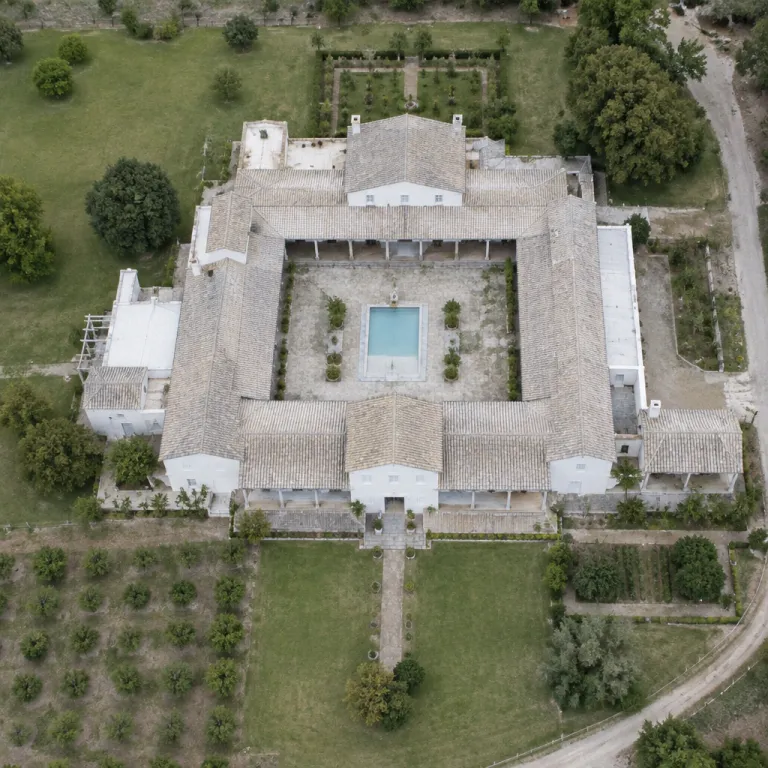
Why a hacienda stay suits a premium family trip
A Bolivia hacienda country estate hotel family stay feels different from a city tower. You trade elevators and corridors for a historic country house with orchards, courtyards and long verandas where children can roam while adults linger over coffee. For many guests, this slower rhythm turns a busy itinerary into an actual vacation, especially when several generations or family friends travel together.
In these estates, each hacienda functions as both hotel and home base, with comfortable rooms spread around gardens rather than stacked above a lobby. A family hacienda often offers several room options around one patio, so parents, grandparents and private groups can sleep close yet enjoy their own space and a private bathroom in every room. When you check the property details, look for mentions of swimming pool access, free parking and reliable Wi‑Fi, which make logistics easier for a family driving across Bolivia.
Most properties sit in valleys lower than La Paz, so the altitude is kinder for younger guests. Around Sucre, Cochabamba and Tarija, the average elevation drops, nights are softer and mornings invite children straight into the garden instead of into a taxi. For a Bolivia hacienda country estate hotel family itinerary, this means you can plan longer stays of several night segments, using one beautiful location as a base for day trips rather than packing and unpacking every day.
Where to find characterful country estates in Bolivia
When families ask where to start, I usually point them toward the Sucre region. Here, a traditional hacienda near the white city gives you a serene location among rolling fields, while the colonial center of Sucre remains close enough for museums, markets and an evening stroll. This balance between rural quiet and urban access defines the best Bolivia hacienda country estate hotel family choices.
In the Cochabamba valleys, you find larger estates that feel like self‑contained vacation rentals, with a main casa del propietario and annexes converted into guest rooms. These country house properties often include a swimming pool, lawns for football and shaded terraces where guests can gather after a day exploring nearby villages or the Torotoro area, which borders a national‑park‑style landscape even if it is not formally labeled parque nacional. Before you book, check recent guest comments about friendly staff, shuttle service and airport shuttle reliability, especially if you are arriving late with children.
Farther south, Tarija’s wine country offers hacienda stays among vineyards, ideal for a family that wants both stunning views and easy day trips to bodegas. Here, the price per night can represent strong value compared with urban luxury hotels, particularly when you compare the average cost of several city rooms with one spacious family hacienda suite. For practical entry formalities and timing, pair your accommodation planning with a careful read of this detailed arrival checklist for luxury travelers so your family reaches the estate relaxed, not rushed.
History as an amenity: living inside a restored estate
Staying in a Bolivian hacienda is not only about space; it is about narrative. Many of these casas once anchored vast agricultural properties, and today their thick adobe walls, carved doors and tiled roofs give a sense of continuity that a modern hotel cannot match. When you walk through a restored casa del patrón, children absorb history in a way no museum label can replicate.
In Sucre’s hinterland or near Cochabamba, a country house might date from the republican era, with a chapel, stables and workers’ quarters now converted into comfortable rooms for guests. Families often appreciate how each room retains original proportions yet adds a private bathroom, heating and better soundproofing, so nights feel both atmospheric and genuinely restful. When you read reviews by other guests, pay attention to comments about how the restoration balances authenticity with comfort, because that balance defines whether a Bolivia hacienda country estate hotel family stay feels magical or merely old.
Rail enthusiasts sometimes pair these estates with classic train journeys across the altiplano, using a hacienda as a soft landing before or after a long rail day. If that appeals, explore this feature on the return of the altiplano journey and then look for hacienda rentals near key rail hubs. For families, this combination of moving through Bolivia by rail and then retreating to a quiet estate with stunning views over fields or vineyards creates a rhythm that keeps both adults and children engaged.
Practicalities for families: rooms, services and value
From a practical standpoint, a Bolivia hacienda country estate hotel family booking often delivers more value than a comparable city stay. Instead of reserving multiple hotel rooms on different floors, you can secure interlinked rooms or a wing of the casa for your group. This layout suits family friends traveling together, because each couple or nuclear family enjoys privacy while sharing gardens, terraces and common salons.
When you compare options, look beyond the headline price per night and consider what is included for guests. Many estates provide breakfast, free parking and sometimes limited shuttle service to the nearest town, which reduces incidental costs for a family. Some properties also offer an airport shuttle on request, but always check the reviews and rating to confirm reliability, especially if your flight arrives after dark.
Facilities vary, so read recent guest feedback carefully before you commit. A swimming pool can be a highlight for children in the warmer valleys, while adults may prioritize a quiet reading room or a small spa corner. Pay attention to mentions of friendly staff, because in a small hacienda the team shapes your stay as much as the architecture, and responsive service free of hidden charges matters when several generations travel together.
Pairing hacienda bases with Bolivia’s iconic landscapes
The smartest itineraries use a hacienda as a calm anchor between Bolivia’s more intense landscapes. After a few stark nights on the Uyuni salt flats or in La Paz, moving into a green valley estate near Sucre or Cochabamba lets children reset while adults unpack properly. This is where a Bolivia hacienda country estate hotel family plan shines, because you can schedule excursions without sacrificing downtime.
From Sucre, families can spend the day at nearby dinosaur footprints, Andean villages or gentle hiking routes, then return to a family hacienda for dinner under the stars. Around Cochabamba, some estates sit within easy reach of Tunari parque nacional‑style mountain scenery, offering day hikes with stunning views before you retreat to the swimming pool and gardens. In Tarija, a country house among vineyards pairs naturally with slow winery visits, while the children enjoy the beautiful location and the sense of space that urban hotels rarely provide.
Festivals add another layer, especially if you time a stay around major cultural events. Some families base themselves in a quiet hacienda and then drive to Oruro or other cities for processions, using the estate as a peaceful counterpoint to the intensity of the streets; for a deeper look at this dynamic, see our guide to luxury stays during Carnaval de Oruro. Whether you are traveling as a nuclear family or with family friends, this pattern of day trips from a rural base keeps logistics manageable while still delivering Bolivia’s most iconic experiences.
How to read reviews and choose the right estate
Selecting the right hacienda in Bolivia starts with reading reviews carefully, not just scanning the overall rating. Look for detailed guest comments that mention families, because their priorities around safety, noise and meal times will mirror your own. When several guests praise the same strengths, such as friendly staff or generous gardens, you can trust those patterns more than a single glowing line about a wonderful stay.
Pay attention to how people describe the location, especially whether they call it a beautiful location or mention any drawbacks like long unpaved access roads. For a Bolivia hacienda country estate hotel family trip, distance to town matters less than clarity about driving times, parking and whether the property offers reliable shuttle service. If you plan to arrive without a car, prioritize estates that provide an airport shuttle or at least easy coordination with local taxis, and always check recent notes about punctuality.
Finally, compare the average price per night with what you would spend on multiple city hotel rooms or separate vacation rentals. A single family hacienda with several comfortable rooms and a swimming pool can be more economical than booking scattered rentals, especially when you factor in included breakfast and service free of resort‑style surcharges. For many guests, that combination of value, space and character makes a restored casa del campo the most memorable chapter of their Bolivian journey.
FAQ
Is a hacienda stay suitable for young children in Bolivia?
Yes, many haciendas in Bolivia are well suited to young children because they offer gardens, courtyards and outdoor space instead of only indoor corridors. Parents should check that the property has secure boundaries, a safe swimming pool area and comfortable rooms close together for easy supervision. Reading recent reviews that mention families will help you confirm whether the atmosphere and services match your needs.
How many nights should a family spend in a hacienda?
For most itineraries, two to four nights in a single hacienda works well as a base. This gives enough time to explore nearby attractions while still enjoying slow mornings and relaxed evenings on the estate. Families combining several regions sometimes book two different haciendas for three nights each, one near Sucre or Cochabamba and another in Tarija wine country.
Do haciendas in Bolivia offer modern amenities like Wi‑Fi and private bathrooms?
Most haciendas that cater to international guests now provide Wi‑Fi in common areas and private bathrooms in all or most rooms. However, the standard can vary, so it is essential to check the property description and read reviews for specific comments about water pressure, heating and connectivity. If reliable internet is crucial for work or study, contact the property directly before confirming your booking.
Are hacienda stays more expensive than city hotels in Bolivia?
Nightly prices at haciendas range widely, but for families they can be competitive with urban hotels. When you divide the total price by the number of guests and consider included breakfast, parking and shared spaces, the value often compares favorably to booking several separate rooms. The key is to compare the average cost per person per night across all your options.
How far are haciendas from major attractions and national parks?
Many haciendas sit within one to two hours’ drive of key attractions, markets and areas with national‑park‑style landscapes. Properties near Sucre and Cochabamba work well for cultural excursions and gentle hikes, while Tarija estates are ideal for vineyard visits. Always confirm driving times with the property and plan a realistic schedule so your family spends more time enjoying the beautiful location than in transit.