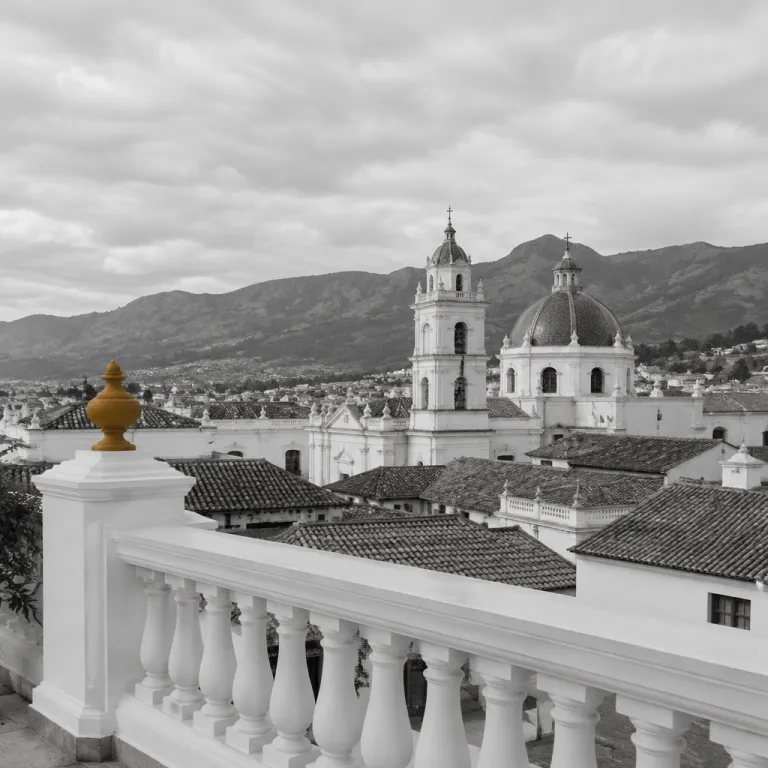
Sucre, Bolivia’s white city for luxury minded travelers
Sucre in Bolivia offers a rare blend of serenity and cultural depth. This compact city in the Chuquisaca Department serves as the constitutional capital of Bolivia and the seat of the Supreme Court, which gives every stay a sense of gravitas and ceremony. With an elevation of about 2,790 m (9,150 ft), the white city enjoys a mild climate that suits slow paced luxury travel.
The historic center of Sucre is a UNESCO World Heritage Site, where colonial streets radiate from Plaza 25 de Mayo and frame elegant churches, refined cafés, and discreet premium hotels. Many travelers arrive expecting only a pretty colonial city and quickly realise that Sucre is also the judicial heart of the nation, since “Yes, constitutional capital and center of judiciary but executive power is based in La Paz.” This dual role shapes the rhythm of the day in the city, from morning court sessions near the Supreme Court to evening strolls under softly lit arcades.
For guests planning a high end stay in South America, Sucre works beautifully as both a first stop and a final pause. The city lies in south central Bolivia, which makes it an ideal center for itineraries that link the Salar de Uyuni, the wine valleys near Tarija, and cross border routes between Argentina and Bolivia. Luxury travelers who value heritage site ambience, Spanish language immersion, and attentive local service will find that Sucre’s scale and safety make it one of the most comfortable places in the country.
Arriving in Sucre Bolivia and planning a premium itinerary
Reaching Sucre Bolivia is straightforward for guests used to tailored itineraries. The city’s Alcantari International Airport connects with La Paz and Santa Cruz, and many luxury travelers combine a stay in the white city with private transfers to the wider Chuquisaca region. For those who prioritise time and comfort, bespoke aviation solutions in Bolivia by private air charters can link Sucre with the Salar de Uyuni or remote haciendas in a single day.
Altitude sensitive travelers often choose to begin their South America journey in Sucre rather than La Paz, because the city sits lower and allows a gentler adjustment. This makes the capital of Bolivia in its constitutional sense an excellent first base for guests arriving from Europe or from America–Argentina routes via Santa Cruz. Before booking flights and hotels, review a specialised arrival checklist for luxury travelers in Bolivia to understand current entry rules, visa categories, and health requirements, which helps align every part of your travel guide style planning with real regulations.
Once in the city, private drivers and curated walking tours simplify movement between key places such as Casa de la Libertad, the Metropolitan Cathedral, and the San Felipe Neri complex. Many premium hotels arrange English and Spanish speaking guides who can explain how Sucre’s role as a heritage site intersects with its modern identity as a university city. When you design your own travel guide for Sucre Bolivia, allow at least three full days so that transfers, spa time, and restaurant reservations never feel rushed.
Staying in the historic center: where heritage meets high comfort
The historic center of Sucre is where most luxury and premium hotels cluster. Around Plaza 25 de Mayo, guests find restored colonial mansions with inner courtyards, rooftop terraces, and suites that frame the white façades which earned Sucre the title of white city. These properties place you within a short walk of Casa de la Libertad, the Cathedral Sucre complex, and the main government buildings including the Supreme Court.
Casa de la Libertad, where Bolivia’s independence declaration was signed, stands as the most emblematic heritage site in the city and gives context to every stay. From there, a gentle stroll leads to the Metropolitan Cathedral and its museum, where religious art and silverwork reflect the wealth that once flowed through Chuquisaca and the wider South America mining networks. Many high end hotels, such as Parador Santa Maria La Real or Hotel de Su Merced, offer private evening visits or curated experiences that pair these things Sucre with wine tastings and local music in former colonial salons.
Travelers who prefer more space often choose luxury hacienda style stays on the outskirts of Sucre and in the surrounding valleys. These estates, some of them featured in guides to colonial estates reborn as hacienda stays for families who want space, combine rural calm with easy access to the city by private transfer. Whether you sleep in the center or in the countryside, ensure your chosen place offers strong heating for cool nights, oxygen on request for altitude sensitive guests, and concierge teams experienced in arranging day trips to the Tarabuco market or onward journeys to the Salar de Uyuni.
Essential things to do in Sucre for luxury guests
Curating the right things to do in Sucre Bolivia is central to a rewarding premium stay. Start with a guided walk through the colonial grid of the city, focusing on Casa de la Libertad, the Metropolitan Cathedral, and the former convent of San Felipe Neri, whose rooftop offers one of the finest sunset views over the white rooftops. These three places together explain how Spanish rule, Inca legacies, and republican aspirations shaped the capital of Bolivia in its constitutional form.
Many visitors list rooftop cocktails at San Felipe Neri among their favourite things Sucre offers, especially when combined with a private organ recital or choral performance in the adjacent church. From there, a short walk returns you to Plaza 25 de Mayo, where arcaded cafés provide refined settings for tasting local chocolate, single origin coffee, and regional wines from southern Bolivia. For travelers who enjoy structured experiences, commission a personalised travel guide style itinerary that links these highlights with quieter corners of city Sucre, such as small museums, private art collections, and restored mansions not usually open to the public.
Beyond the center, a curated excursion to the Tarabuco market introduces guests to living Andean culture in the Chuquisaca highlands. While the market itself is not a luxury environment, visiting with an expert guide, reserved seating at a local restaurant, and a focus on high quality textiles can turn the day into a sophisticated cultural immersion. Many premium agencies also pair Tarabuco market visits with helicopter or charter plane extensions towards the Salar de Uyuni, allowing travelers to experience both the white city and the white salt flats within a single South America journey.
Gastronomy, markets, and local life in the white city
Food focused travelers will find that Sucre Bolivia rewards curiosity and patience. The city’s culinary scene blends Spanish techniques, Inca ingredients, and contemporary Bolivian creativity, often presented in intimate dining rooms within restored colonial houses. Many luxury hotels collaborate with local chefs to offer tasting menus that reinterpret market produce from Chuquisaca in refined, seasonal dishes.
A guided visit to the central market in city Sucre is one of the most revealing things Sucre can offer, especially when arranged early in the day with a bilingual expert. Here, stalls overflow with fresh fruit, Andean grains, and regional cheeses, while juice vendors and salteña bakers provide a window into daily life in southern Bolivia. For guests who prefer more privacy, some high end properties organise private cooking classes where market purchases become the basis for multi course meals paired with Bolivian wines from valleys that link Argentina–Bolivia trade routes.
Evening life in the white city tends to be gentle rather than loud, which suits many premium travelers. Elegant wine bars and chocolate salons around Plaza 25 de Mayo, including places such as Para Ti or Chocolates Taboada, offer quiet corners to reflect on the day’s experiences, from the solemnity of Casa de la Libertad to the views from San Felipe Neri. When planning where to eat and drink, ask your concierge for recommendations that balance local authenticity with the level of comfort and service you expect from a high end stay in South America.
From Sucre to wider Bolivia: crafting a coherent luxury journey
Sucre Bolivia works best when seen as both a destination and a pivot point. Many travelers pair several days in the city with a journey to the Salar de Uyuni, using either scheduled flights or private charters arranged through specialist agencies. This combination allows you to experience the white city’s colonial calm before stepping into the vast white expanse of the salt flats, two very different places that nonetheless define modern travel in southern Bolivia.
For guests interested in legal history and political culture, Sucre’s role as home to the Supreme Court and other judicial institutions adds a distinctive layer to any itinerary. Guided visits can explain how the city’s status as constitutional capital Bolivia coexists with La Paz as the seat of government, a nuance that many casual visitors miss. Those who appreciate architecture will also value how the heritage site protections keep the colonial center intact, making city Sucre one of the most photogenic urban ensembles in South America.
When extending your trip beyond Sucre, consider routes that link Chuquisaca with wine regions, Jesuit missions, and cross border circuits between America Argentina and Bolivia. A well structured travel guide style plan might begin with three nights in Sucre, continue with a private flight to the Salar de Uyuni, and end with a stay in a rural estate or vineyard before departure. Throughout, rely on local experts who understand both the logistical realities of Bolivia and the expectations of luxury travelers, ensuring that every place you visit feels coherent, comfortable, and worthy of the time you invest.
Key figures and practical statistics for Sucre stays
- Sucre has a municipal population of about 300,000 people according to recent Bolivian census data, which makes it a mid sized city large enough for services yet compact enough for easy navigation on foot.
- The city sits at an elevation of roughly 2,790 m above sea level, so travelers arriving from coastal regions of America or Europe should plan one easy day on arrival to adapt to the thinner air.
- Sucre’s urban municipality covers around 1,768 km², but the main historic center where most premium hotels are located occupies only a small fraction of that surface, keeping key attractions within a short walking radius.
- Population growth since the previous census has been estimated at about 13 percent, reflecting steady urban expansion while heritage conservation rules preserve the colonial core as a UNESCO World Heritage Site.
- Sucre was founded in the sixteenth century and later renamed to honour independence leader Antonio José de Sucre, a history that underpins the city’s role as constitutional capital and justifies its dense concentration of legal and governmental institutions.
FAQ about Sucre, Bolivia for luxury and premium travelers
Is Sucre really the capital of Bolivia ?
Sucre is the constitutional capital Bolivia and the seat of the judiciary, while La Paz hosts the executive and legislative branches. This means that the Supreme Court and other high courts are based in city Sucre, giving the white city a formal and symbolic importance. For travelers, this dual capital arrangement has little practical impact beyond the presence of elegant institutional buildings and a steady flow of legal professionals.
Why is Sucre called the white city ?
Sucre is known as the white city because many colonial and republican buildings in the historic center are painted white and protected by municipal regulations. This consistent colour palette, especially around Plaza 25 de Mayo, creates a harmonious urban landscape that stands out among cities in South America. The effect is particularly striking at sunset, when the façades of churches such as the Metropolitan Cathedral and San Felipe Neri glow softly against the Andean sky.
How many days should a luxury traveler spend in Sucre ?
Most luxury travelers should plan at least three full days in Sucre Bolivia. One day allows for a guided exploration of the colonial center, Casa de la Libertad, and the Cathedral Sucre complex, while a second day can focus on markets, gastronomy, and rooftop views from San Felipe Neri. A third day gives space for a curated excursion to the Tarabuco market or for spa time and relaxed dining before continuing to the Salar de Uyuni or other regions of Bolivia.
Is Sucre a good base for visiting the Salar de Uyuni ?
Sucre can serve as a refined base before or after a journey to the Salar de Uyuni, especially for travelers who value comfort and culture. While the salt flats are reached via connecting flights or private charters, many itineraries use city Sucre as a soft landing point to adjust to altitude and enjoy the heritage site atmosphere. This sequence lets guests experience both the urban elegance of the white city and the stark natural beauty of south Bolivia’s high plateau.
What language is most useful for travelers in Sucre ?
Spanish is the primary language in Sucre, though many professionals in the travel sector speak English as well. Learning a few Spanish phrases enhances interactions in markets, restaurants, and with local guides, especially during visits to the Tarabuco market and other rural places in Chuquisaca. High end hotels usually provide bilingual staff, ensuring that guests can arrange complex itineraries and special experiences without language barriers.