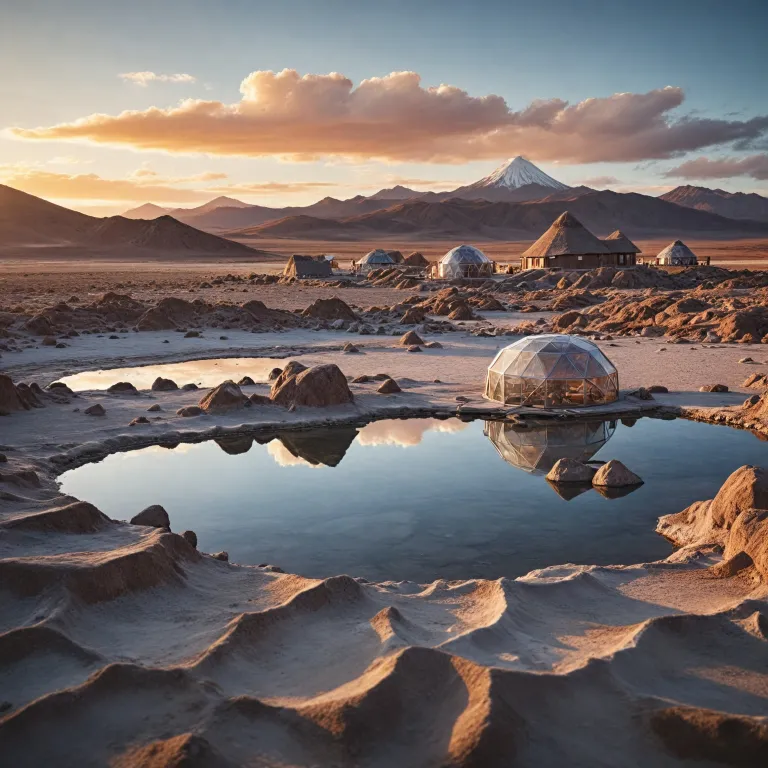
Luxury stays framed by the Bolivia salt flat horizon
The Bolivia salt flat known as Salar de Uyuni creates an otherworldly horizon that naturally attracts luxury travelers. Around this immense salar, premium hotels and refined lodges have evolved to match the drama of the salt flats while still respecting the fragile area. For guests, the challenge is choosing a property that elevates every day of the trip.
Salar de Uyuni stretches over more than 10 000 square kilometres of pure salt, and the best luxury hotels use this scale as a stage for curated experiences that feel intimate rather than overwhelming. Many high end properties near Uyuni Bolivia now integrate private flats tour options, pairing expert guide services with tailored amenities such as heated vehicles, oxygen, and gourmet picnics on the flat. This level of service matters at 3 656 metres above sea level, where altitude can affect even seasoned South America travelers.
For discerning guests, a luxury stay near the salt flats is not only about a beautiful room ; it is about seamless logistics from the first day to the final night. A well designed Bolivia salt flat itinerary will coordinate airport transfers, acclimatization time in Uyuni or La Paz, and a carefully timed visit Salar experience that aligns with either the dry season or the rainy season. Properties such as Palacio de Sal, often referred to simply as palacio sal, illustrate how architecture built with salt blocks can still deliver premium comfort. When evaluating options, travelers should look for transparent information about the salar uyuni environment, clear safety standards, and strong sustainability commitments.
Choosing the right season and length of stay for premium comfort
Luxury travelers planning a Bolivia salt flat escape must first decide between the dry season and the rainy season. Each season transforms the salar into a different world, and the best hotels structure their tours and services accordingly. Understanding these contrasts helps guests choose the right time and the right number of tour days or days nights on site.
During the dry season, the salt flat becomes a vast white polygon mosaic, and many guests consider this the best period for long flats tour itineraries that combine the national park landscapes around the lake region and the wider Uyuni salar. Vehicles can usually cross large sections of the salt flats, allowing day tour programs that reach Isla Incahuasi, where giant cacti rise above the salar uyuni surface. In this season, luxury properties often emphasize stargazing, private dinners on the flat, and extended photography sessions for dramatic salt flats photos.
The rainy season, typically from late spring to early autumn, brings shallow water that turns the salt flat into a natural mirror. Many travelers plan their trip specifically for this mirror effect, and premium hotels respond with flexible day tour schedules that adapt to weather and water levels. Because access to some area sections may be restricted, a skilled guide and a well informed concierge become essential for real time decisions. Guests traveling with animals can also explore Bolivia’s finest pet friendly luxury hotels to align pet policies with seasonal conditions around Uyuni Bolivia.
Iconic salt hotels and premium stays near Uyuni
Among the most emblematic properties near the Bolivia salt flat, Palacio de Sal stands out for its construction using salt blocks from the salar itself. This palacio sal concept offers guests the rare experience of sleeping inside a structure made largely of salt, while still enjoying heated rooms, refined dining, and curated excursions. Other luxury hotels around Uyuni Bolivia follow similar principles, blending local materials with contemporary comfort to frame the salt flats in every direction.
For travelers comparing hotels online, a key question is how each property integrates flats tour logistics into its service. Some hotels include a private day tour to the salt flat and Isla Incahuasi in their packages, while others work with external tour operators for multi day tour days that extend toward the coloured lagoons near the Chilean border and the San Pedro de Atacama region, often written as pedro atacama or san pedro in itineraries. In all cases, a knowledgeable guide who understands the salar uyuni microclimates and the effects of altitude above sea level is crucial for safety and comfort.
Premium properties also differentiate themselves through wellness offerings that help guests adapt to the high salt air and the intense light reflected by the flat. Oxygen stations, herbal infusions, and slow paced first days nights are common strategies to ease acclimatization. Travelers seeking deeper hotel comparisons can consult this detailed overview of Uyuni hotel experiences and premium stays near the salt flats. When evaluating options, it is wise to request precise info uyuni from each property, including vehicle standards, guide training, and contingency plans for both dry season and rainy season conditions.
Designing a high end Bolivia salt flat itinerary
Crafting a luxury itinerary around the Bolivia salt flat requires more than simply adding a standard day tour to a broader South America trip. The salar uyuni environment is remote, high, and intensely bright, which means that thoughtful pacing and expert support are essential. A well planned journey will balance time on the salt flats with restorative hotel experiences and cultural encounters in Uyuni Bolivia or nearby communities.
Many premium travelers choose a two to three tour days framework, combining one full day on the flat with additional days nights exploring surrounding lagoons, volcanoes, and the remnants of prehistoric lake systems. These multi day tours often cross sections of the Uyuni salar where the salt crust varies in thickness, so a professional guide and a well maintained 4x4 vehicle are non negotiable. Some itineraries extend toward San Pedro de Atacama, sometimes written as pedro atacama, linking the Bolivia salt flat with Chilean desert landscapes in a single continuous route.
Within this structure, the best hotels coordinate private transfers, altitude aware menus, and flexible departure times that respond to light conditions for photos. A sunrise or sunset visit salar experience on the salt flats can be the highlight of the trip, especially during the rainy season when the mirror effect doubles the sky. Travelers interested in broader context for luxury stays across the country can consult this in depth guide to iconic locations for discerning travelers in Bolivia. When planning, remember that the area sits well above sea level, so building in rest time on the first day will significantly improve comfort and enjoyment.
Practical booking strategies for luxury and premium stays
Booking a high end stay near the Bolivia salt flat involves several practical decisions that directly influence comfort and value. First, travelers should clarify whether they prefer the geometric patterns of the dry season or the reflective surfaces of the rainy season, because availability and pricing can vary between these periods. Once the preferred season is defined, it becomes easier to compare hotels, tours, and guide services in a coherent way.
When reviewing options, pay close attention to how each property structures its flats tour offerings and whether a private day tour is included or sold separately. Some luxury hotels bundle transport, meals, and a dedicated guide into multi day tour days packages that cover both the Uyuni salar and nearby national park areas, while others focus on shorter excursions to the central salt flats and Isla Incahuasi. In both cases, confirm that vehicles are equipped for high altitude conditions and that staff are trained to handle the intense light and temperature swings on the flat.
Photography enthusiasts should also verify how hotels support guests in capturing memorable salt flats photos, especially during the mirror like rainy season. Many properties now provide tripods, protective gear for cameras against salt, and flexible departure times to chase the best light over the lake like surface of the salar uyuni. As one expert summary notes, “The best time to visit is during the rainy season (November to March) to witness the mirror effect.” This guidance is particularly relevant for travelers whose primary goal is to create striking images of the Bolivia salt flat during their trip.
Safety, sustainability, and trusted information for discerning guests
For luxury travelers, the Bolivia salt flat is both a dream landscape and a sensitive ecosystem that demands respectful behavior. Salar de Uyuni formed from the evaporation of prehistoric lakes, leaving behind a thick crust of salt that still covers more than 10 000 square kilometres. Beneath this crust lie vast lithium reserves, and the balance between tourism, resource extraction, and environmental protection is an ongoing national conversation in Bolivia.
Responsible hotels and tour operators now emphasize low impact practices on the salt flats, such as defined vehicle routes, strict waste management, and careful timing of visits to avoid stressing fragile area sections. Guests can support these efforts by choosing providers who share transparent info uyuni about their environmental policies and who work with local communities around Uyuni Bolivia. Many premium properties also educate visitors about the geological history of the Uyuni salar, explaining how the former lake system evolved into the current salar uyuni landscape.
Health and safety remain central considerations at more than 3 600 metres above sea level, where the combination of altitude, intense sun, and reflective salt can quickly exhaust unprepared travelers. Luxury hotels that prioritize guest wellbeing will offer oxygen, trained staff, and flexible itineraries that allow guests to shorten a day tour if needed. Informed travelers should also ask about emergency protocols for remote sections of the salt flats and for routes that connect toward San Pedro de Atacama. By aligning safety, sustainability, and comfort, discerning guests ensure that their Bolivia salt flat experience remains both memorable and responsible.
Key statistics about Salar de Uyuni
- Salar de Uyuni covers approximately 10 582 square kilometres of salt surface.
- The elevation of the salt flat is about 3 656 metres above sea level.
- Subsurface brines beneath the salar contain an estimated 11 million tons of lithium.
Essential questions about visiting the Bolivia salt flat
What is the best time to visit Salar de Uyuni ?
The best time to visit is during the rainy season (November to March) to witness the mirror effect. Outside this period, the dry season offers easier access across the salt flats and clearer polygon patterns, which some travelers prefer for extended tours. Luxury guests often choose their travel dates based on whether they prioritize the mirror effect or wide ranging exploration of the Uyuni salar and surrounding landscapes.
How was Salar de Uyuni formed ?
It was formed by the evaporation of prehistoric lakes, leaving behind extensive salt deposits. Over thousands of years, these deposits created the thick salt crust that defines the Bolivia salt flat today, with brine rich in lithium trapped beneath. Understanding this geological history adds depth to any visit salar experience and highlights why the area is both a tourism icon and a strategic resource for Bolivia.
What is the significance of Salar de Uyuni's lithium reserves ?
The salt flat contains about 11 million tons of lithium, making it a significant source for battery production. This resource positions Bolivia as a key player in the global energy transition, while also raising questions about how to balance extraction with protection of the salar uyuni environment. For travelers, awareness of this context encourages more thoughtful choices when selecting tours, hotels, and guide services around the salt flats.