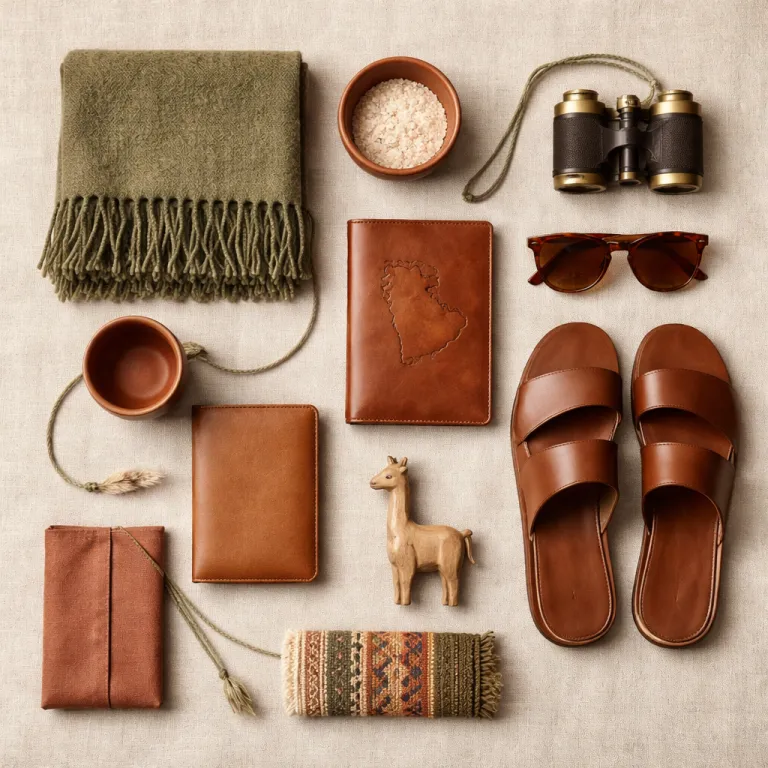
Why the dry season is the moment for Bolivia luxury
For a Bolivia dry season itinerary luxury travelers can trust, timing is everything. The period from May to October is widely regarded as the best time to travel Bolivia because skies are clear, roads are reliable and the country’s most dramatic landscapes perform at their peak. When you start planning your trip around this dry season window, you unlock the best time to visit both the high-altitude Andes and the lowland Amazon with minimal weather disruption.
Local experts agree on the fundamentals: “What is the best time to visit Bolivia? May to October during the dry season.” This is when the famous salt flats around Uyuni reveal their hexagonal patterns, when Lake Titicaca shimmers under crisp light and when La Paz, the highest administrative city in South America, settles into a cool but stable 10 to 17 degrees Celsius (50–63°F) according to Bolivia’s national meteorological service. Families designing a Bolivia luxury journey can move between regions with fewer flight delays, more predictable day tour schedules and a calmer rainy-season risk profile.
Dry air also matters for comfort at high altitude, especially for children. La Paz sits at around 3,640 meters (11,942 feet), so any high-end Bolivia family itinerary should factor in acclimatization days before intense excursions. With the rainy season largely behind you, each travel day becomes more about choosing the right hotel and the right tour than worrying whether a salt flats day trip will be cancelled by storms.
Month by month: May to October highlights
May is the quiet launch of the dry season, ideal for travelers who want space in every city and on every tour. This is a smart time to visit La Paz and Sucre because rates at many hotel options are still softer, yet the weather already favors long walking days and clear cable car views. Families starting their travel Bolivia adventure in May can enjoy the salt flats with fewer vehicles on the Salar de Uyuni horizon.
June and July bring peak season energy, with the best time to visit conditions for high-altitude trekking and crisp nights on Lake Titicaca. Expect cooler nights in Uyuni and around the Cordillera Real, but also the most reliable skies for sunrise over Isla del Sol and for stargazing on the Uyuni salt flats. If your Bolivia dry season itinerary focus is photography, these months offer the cleanest air, the sharpest shadows and the most polished service levels as properties and guides operate at full rhythm.
August and September are the sweet spot for many premium families who want festivals without the coldest nights. In August, Andean communities around La Paz and Sucre celebrate Pachamama rituals, which can be woven into a private day tour curated by a seasoned travel designer. By September, temperatures ease, the crowds thin and it becomes an excellent time to visit both the city of La Paz and the Amazon in a single trip without overloading younger travelers.
Designing a 10 to 14 day dry season luxury route
A well-structured Bolivia dry season itinerary luxury plan for families usually runs between 10 and 14 days. That duration allows you to balance high-altitude acclimatization in La Paz, a deep dive into the Uyuni salt flats, time on Lake Titicaca and a soft landing in the Amazon basin. The goal is to move gradually in altitude while keeping each travel day under control for children and older relatives.
One classic route starts in La Paz, where you spend two or three days in the city adjusting to the altitude and exploring the cable car network, the historic center and nearby Valle de la Luna. From there, a short flight of around one hour takes you to Uyuni for two or three days on the Salar de Uyuni, including at least one night in a salt hotel where the walls literally taste of the landscape. This is where a specialist travel designer from Kuoda Travel, Ecovoyager Adventures or True Travel can secure private 4x4 vehicles for the salt flats and chartered flights that reduce overland fatigue.
After Uyuni, many Bolivia luxury itineraries route you back through La Paz and onward to Lake Titicaca for two nights on Isla del Sol or nearby islands. Families often add a final three-day segment in the Amazon, where the lower altitude and warmer air feel restorative after the high plateau. For a deeper sense of how the country is evolving at the top end, read this guide to Bolivia’s quiet rise as a luxury destination on high end stays beyond the salt flat selfie.
Balancing La Paz, Sucre and regional contrasts
Some families prefer to weave Sucre into their Bolivia dry season itinerary luxury plan, using the lower-altitude city as a gentle acclimatization stop. Sucre sits well below La Paz in elevation, so two or three days here at the start of your trip can ease the transition from sea level before you climb higher. With around 300,000 people, the city offers enough urban energy without overwhelming younger travelers.
From Sucre, a short hop to Potosí or directly to Uyuni keeps your travel time manageable while still delivering strong cultural content. You can then fly onward to La Paz for a more confident high-altitude stay, knowing your family has already adjusted to thinner air. This sequence works particularly well for those arriving from Chile or Peru, because you can enter Bolivia overland and then use domestic flights to stitch together the rest of the route.
Whichever direction you choose, keep one or two flexible days in the itinerary. These buffer days allow for slower mornings if a child feels the altitude, or for an extra day tour on the salt flats if the first day trip leaves everyone wanting more. A good travel designer will protect these margins so that your Bolivia luxury experience feels unhurried even in peak season.
Iconic locations: from Uyuni salt flats to lake Titicaca
The heart of any Bolivia dry season itinerary luxury plan is the Uyuni salt flats, a landscape that feels almost lunar under May to October skies. During the dry season, the Salar de Uyuni surface hardens into a vast mosaic of salt polygons, making it easy for 4x4 vehicles to reach remote areas and for families to walk safely on the crust. This is the best time to arrange a full day tour or even a two-day trip that includes sunset, stargazing and a night in a refined salt hotel.
On the accommodation front, our detailed guide to where to sleep around Uyuni in every season on Salar de Uyuni hotels for each season helps you compare properties that range from design-forward salt constructions to more classic lodges. In the dry season, these hotels can set up private dinners on the flats, with heaters, blankets and telescopes for families who want to linger under the Milky Way. Because the rainy season has receded, access roads are more reliable and your travel time between the city of Uyuni and the edge of the salt flats is easier to predict.
Lake Titicaca is the other anchor of a Bolivia luxury circuit, especially for families who enjoy gentle hiking and boat-based day tours. From La Paz, it is a scenic drive of about three and a half hours to Copacabana and then a short crossing to Isla del Sol, where you can stay in small upscale lodges with sweeping views. Dry season conditions mean calmer waters, clearer horizons and more comfortable evenings for children who might otherwise struggle with cold winds at high altitude.
Cross border combinations with Chile and Peru
Many premium travelers extend their Bolivia dry season itinerary luxury plan into neighboring Chile and Peru for a broader South America arc. The classic combination is Chile–Bolivia, linking the Atacama Desert with the Uyuni salt flats via a multi-day 4x4 tour that crosses high-altitude lagoons and geothermal fields. Dry season is the best time for this route because tracks are firm, skies are clear and the risk of weather-related closures is lower than in the rainy season.
On the northern side, Lake Titicaca becomes the natural bridge between Bolivia and Peru, with ferries and private boats connecting Copacabana to Puno. Families can then continue to Cusco and Machu Picchu, creating a two-country journey that still respects sensible altitude progression. In this case, a skilled travel designer will map each day trip and overnight stay to avoid abrupt jumps in elevation that might unsettle children.
Whichever cross-border direction you choose, keep your focus on quality over quantity. It is better to spend extra days on the Salar de Uyuni or around Isla del Sol than to rush through three countries with little time to breathe. Remember that every additional city or region adds logistics, so align your ambitions with your family’s real travel pace.
Altitude, family comfort and choosing the right hotels
High altitude is the defining factor in any Bolivia dry season itinerary luxury plan, especially for families. La Paz, Lake Titicaca and the Uyuni salt flats all sit well above 3,500 meters, so your first travel tips should focus on acclimatization, hydration and pacing. Many parents choose to start planning with two gentle days in La Paz or Sucre, keeping activities light and avoiding intense hikes or alcohol until everyone feels stable.
Hotel selection plays a major role in how children experience these heights. In La Paz, look for properties with oxygen-enriched rooms or at least easy access to medical support, plus heated pools or calm lounges where kids can rest between outings. Our review of an upscale backpacker-style stay at Wild Rover, for example, shows how even social hostels can offer elevated comfort when carefully chosen; see the detailed analysis of this La Paz hostel experience for upscale backpackers on a curated La Paz hostel review for design minded travelers.
On the Salar de Uyuni and around Lake Titicaca, prioritize hotels that understand family needs in remote environments. Heated rooms, flexible meal times and indoor play spaces matter when temperatures drop quickly after sunset in the dry season. Ask your travel designer or tour operator whether properties have experience with younger guests and whether they can adapt day tour lengths, picnic times and vehicle configurations for children.
Working with expert operators and practical planning tips
For a seamless Bolivia luxury experience, partnering with a specialist operator is worth the investment. Companies such as Kuoda Travel, Ecovoyager Adventures and True Travel build customized itineraries that align each day trip, hotel choice and internal flight with your family’s pace. They also coordinate 4x4 vehicles for the salt flats, chartered flights where necessary and local expert guides who know how to adjust plans if a child feels the altitude.
When you start planning, share detailed information about your children’s ages, interests and previous high-altitude exposure. This allows your travel designer to recommend the best time to visit each region, from the cooler but photogenic early dry season in Uyuni to the slightly warmer late season around Lake Titicaca. Pack layers for varying temperatures, use strong sun protection and remember that even in the dry season, weather in the Andes can shift quickly during the day.
Finally, keep your Bolivia dry season itinerary luxury schedule flexible enough to swap a long tour for a shorter day tour if needed. Build in rest days in each city, especially La Paz and Sucre, so that your family can simply enjoy hotel facilities without a fixed agenda. With thoughtful pacing, expert partners and realistic expectations, your time in Bolivia during the dry season will feel both adventurous and deeply comfortable.
FAQ
What is the best time to visit Bolivia for a luxury family trip?
The best time to visit Bolivia for a luxury focused family itinerary is from May to October, which is the dry season. During these months, roads are more reliable, skies are clearer and conditions on the Uyuni salt flats and around Lake Titicaca are ideal for day tours. This period also offers more predictable temperatures in La Paz and Sucre, making it easier to plan activities with children.
Is it safe to travel to Bolivia with children?
It is generally safe to travel to Bolivia with children when you follow standard travel precautions and work with reputable operators. Choose well-located hotels in each city, use private transfers where possible and avoid walking in unfamiliar areas late at night. Focus on altitude management, hydration and sun protection, which are more critical for family comfort than security concerns in most tourist areas.
How should we manage high altitude in La Paz and Uyuni?
Managing high altitude in La Paz and Uyuni starts with a gradual ascent and light activities during the first two days. Drink plenty of water, avoid heavy meals and alcohol, and consider spending initial nights in lower-altitude cities such as Sucre if your family is sensitive. Many upscale hotels and tour operators can provide oxygen, local remedies and flexible day tour options if anyone feels unwell.
Do we need a visa for Bolivia on a multi country South America trip?
Visa requirements for Bolivia depend on your nationality, so you should check with the Bolivian consulate or your country’s foreign affairs website before travel. If you are combining Bolivia with Chile or Peru in one trip, verify entry rules for each country separately. Carry printed copies of hotel reservations, onward tickets and travel insurance details, as border officials sometimes request supporting documents.
Is it better to start our itinerary in La Paz or at lower altitude?
Whether you start in La Paz or at lower altitude depends on your family’s health and previous experience at elevation. Many travelers begin in Sucre or the Bolivian Amazon to acclimatize gently before moving up to La Paz, Lake Titicaca and the Uyuni salt flats. If you do fly directly into La Paz, plan at least one or two easy days in the city before any demanding excursions.