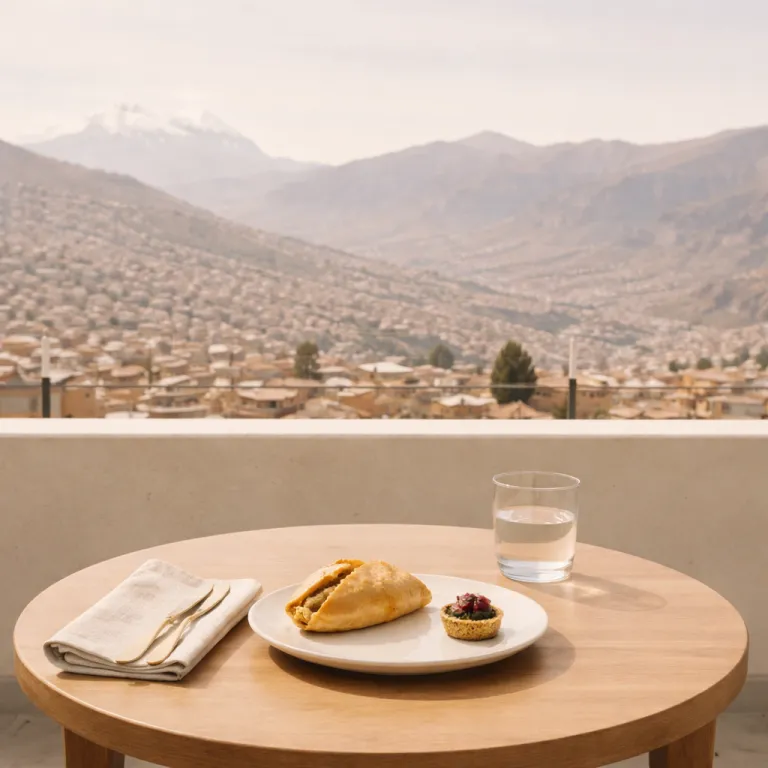
La Paz food restaurants guide for altitude‑loving gourmets
La Paz sits at 3,600 meters and reshapes every idea of food. The city folds steep streets, cable cars and a dense network of restaurants into a dramatic bowl that rewards patient, altitude‑aware travelers with some of South America’s best flavors. Any serious guide to eating here should start by helping you pace your first day in the city.
Arrive, hydrate and let your body adjust before chasing the most talked‑about tables or the richest dishes. At this elevation, taste perception softens slightly, so chefs season more assertively and slow cooking becomes a quiet necessity rather than a trend. You will notice soups feel silkier, roasted meat tastes deeper and even a simple fish taco or grilled vegetables seem more aromatic than at sea level.
Morning is when La Paz feels gentlest, and when locals eat comfort food in true La Paz, Bolivia style, such as salteñas. These baked pastries are Bolivia’s answer to the world’s best food for breakfast on the go, and they anchor any credible food‑focused itinerary. One reminder is worth repeating in full for first timers: "What is a salteña?" and the answer is "A baked pastry filled with meat, vegetables, and spices."
Use your hotel as a strategic base rather than just a place to sleep in the city. Luxury properties in Zona Sur and the central neighborhoods often keep updated shortlists of trusted restaurants, with bilingual concierges who know which dining room will hold a table for guests arriving slightly late from the cable car. When planning where to stay, pair your dining ambitions with a refined property by consulting a dedicated resource on the best hotel options in La Paz for a sophisticated stay.
Altitude also changes how you drink, which matters when menus highlight craft beer or Andean spirits. Alcohol hits harder at 3,600 meters, so a thoughtful itinerary for couples should suggest sharing tasting flights or alternating cocktails with herbal infusions. You will enjoy the city’s food scene more if you treat the first day as acclimatization, not a race through every restaurant recommendation on your list.
From salteñas to street food: where La Paz truly eats
Once you have acclimated, start your La Paz food exploration in the morning with salteñas. Paceña La Salteña, with branches on Calle Mercado and Avenida 16 de Julio, is a reference spot for these pastries, serving traditional Bolivian fillings that range from beef and chicken to more modern vegetarian options. Locals queue early because the freshest batches sell out quickly and many shops close by early afternoon.
Salteñas are only the first layer of the city’s street food culture, which deserves deliberate exploration. Around markets such as Mercado Lanza and Rodríguez you will find anticuchos, grilled beef heart skewers brushed with a smoky ají sauce, and these stands often become informal eateries in classic La Paz style, with plastic stools and a surprisingly complex menu chalked on the wall. For couples staying in premium hotels, asking the concierge to mark their favorite street food place on a map can turn a simple walk into a curated tasting tour.
La Paz is not Mexico City, yet the influence of Mexican taco culture appears in a few playful spots that serve soft tortillas filled with Andean ingredients. You might taste fish tacos made with lake trout instead of coastal seafood, or a fish taco reimagined with quinoa crust and bright local herbs. These are not copies of Baja California or La Paz, Mexico classics, but they show how La Paz chefs absorb ideas from Mexico and California Sur while staying rooted in Bolivian produce.
Street vendors also sell cups of fruit, fresh juices and the occasional scoop of ice cream churned by hand in metal drums. The best food on the street often uses local ingredients such as tumbo, maracuyá or purple corn, which give even simple drinks a vivid color. A thoughtful city guide will nudge you toward these stands during the warmest hours, when the high Andean sun makes a cold drink feel essential.
For travelers who like to plan ahead, many small eateries now maintain a basic visit website link on social platforms, though information can be patchy. Rely on your hotel’s updated list of trusted La Paz restaurants rather than anonymous rankings when hygiene and comfort matter. This is where a curated, luxury‑focused platform becomes valuable, filtering the city’s dining rooms into a short list that aligns with premium expectations while still honoring La Paz’s street food soul.
Fine dining at altitude: where La Paz rewrites Bolivian cuisine
Beyond the markets, La Paz has developed a serious fine dining scene that any La Paz food lover must treat with respect. Restaurants such as La Rufina, on Calle Presbítero Medina in Sopocachi, take the language of street food and translate it into composed plates, turning anticuchos, pique macho and other traditional dishes into tasting menu centerpieces. The result is a restaurant experience that feels both deeply Bolivian and quietly cosmopolitan.
Another key player is Ancestral, in the Calacoto area, which works almost entirely with local ingredients from the Andes and the Amazon. Here, chefs smoke tubers, toast native grains and plate foraged herbs in a way that feels closer to a design studio than a conventional restaurant, yet the flavors remain comforting. This is where you understand zero kilometer cuisine in practice, with a menu that changes as farmers bring new produce to the city.
Propiedad Pública, also in Zona Sur, pushes the same philosophy in a more explicitly sustainability‑driven direction, with seasonal menus that highlight lesser known cuts and vegetables to reduce waste. Couples who care about provenance will appreciate how the staff explains each course, linking a single potato or trout fillet to a specific valley outside La Paz, Bolivia. These restaurants are often counted among the best restaurants in the city, and they reward travelers who book early.
Imilla Alzada adds another layer by celebrating chola culture, reworking classics such as ají de lengua and pique macho with refined techniques and precise plating. The room feels relaxed rather than formal, which suits couples who want ambitious food without a stiff atmosphere. For a romantic evening, this is one of the best places to reserve for a long, unhurried dinner.
Hotel concierges at high‑end properties such as Atix in Zona Sur have become gatekeepers for these tables, often holding a small allocation for in‑house guests. When you book your stay, consider how the property’s team can support your dining plans by reading a detailed review of Atix Hotel and its art‑focused, altitude‑aware hospitality. A strong relationship between hotel and restaurant means last‑minute changes, delayed flights or altitude wobbles are handled with grace rather than stress.
Three perfect days of eating in La Paz for luxury travelers
A well‑structured La Paz food restaurants guide for couples should translate into a concrete three‑day plan. On day one, keep things gentle: a late breakfast of salteñas at Paceña La Salteña, a light lunch near your hotel and an early dinner at a relaxed neighborhood spot that serves broths, grilled vegetables and simple Bolivian dishes. This pacing respects the altitude while still giving you a sense of the city’s flavors.
Day two is your deep dive into both street food and fine dining, once your body feels settled. Start with a market visit, guided if possible, tasting fresh juices, anticuchos and perhaps a modest portion of street food classics such as rellenos de papa, then retreat to your hotel spa or room to rest before the evening. For dinner, book Ancestral or Propiedad Pública and let the team guide you through a seasonal menu that showcases local ingredients and the best food the city can offer at that moment.
On day three, explore neighborhoods that combine views with interesting restaurants and bar options, using the cable car network as both transport and sightseeing. Lunch could be at Imilla Alzada, where you share plates of modern pique macho and aji de lengua, paired with a carefully chosen craft beer or Andean wine. In the afternoon, stroll through Zona Sur, pause for artisanal ice cream made with local fruits and then return to your hotel for a final, lighter dinner or room service if the altitude has caught up with you.
Throughout these days, your hotel concierge remains your quiet ally, adjusting reservations if you decide to linger longer over coffee or a view. Some luxury travelers prefer to secure every restaurant weeks in advance, while others rely on same‑day suggestions based on what is open and what the chef is excited about that evening. Either way, a curated plan combined with a responsive concierge gives you flexibility without sacrificing access.
If you are planning a broader itinerary across Bolivia, consider how La Paz fits into a sequence that might include Uyuni, Sucre or the wine country around Tarija. Specialist travel platforms maintain evolving overviews of high‑end openings and renovations, which can help you align your dining plans with new hotel options by consulting features on Bolivia’s latest luxury properties and seasonal highlights. Building your route around both beds and tables ensures that each city, not only La Paz, delivers on its gastronomic promise.
Comparing coastal cravings and high Andean tables
Many travelers arrive in La Paz after time in coastal destinations such as La Paz in Baja California Sur, where seafood and fish tacos dominate the menu. It is tempting to compare every restaurant in the Andean city to a favorite marisquería or to Toro Guero, the famous seafood place in La Paz, Mexico, but that misses the point of altitude cuisine. A thoughtful overview of the local dining scene will instead show how the two cities share a name yet express completely different landscapes on the plate.
In La Paz, Mexico and across Baja California, the best restaurants lean on the sea, serving fish taco variations, ceviches and grilled seafood that taste of salt and lime. By contrast, La Paz, Bolivia builds its best food around potatoes, quinoa, llama, lake trout and high‑altitude vegetables, with seafood appearing more selectively. You might find a restaurant that nods to Mexico with tacos filled with Andean trout, but the supporting cast of grains and herbs keeps the dish firmly rooted in the altiplano.
For couples who love both styles, the pleasure lies in tracing how chefs borrow ideas from Mexico City or California Sur while staying loyal to Bolivian terroir. A menu might pair lake fish with a salsa that recalls coastal Mexico, yet the heat level is tuned to local palates and the garnish might include chuño or cañahua instead of rice. This cross‑talk between regions enriches the La Paz food restaurants guide narrative, showing that the city is not isolated but in conversation with wider Latin American trends.
When you read online lists of La Paz restaurants, pay attention to whether the writer understands these distinctions or simply chases familiar labels such as tacos and seafood. A serious guide for luxury travelers will highlight where to eat local comfort food, where to find ambitious tasting menus and where a chef has thoughtfully integrated Mexican techniques without turning the restaurant into a theme concept. This level of nuance matters when you are planning only a handful of meals at 3,600 meters.
Ultimately, La Paz is a place where altitude, culture and ingredients intersect in ways that reward curiosity. You come for salteñas, stay for the tasting menus and leave with a new appreciation for how a city can reinvent traditional dishes without losing its soul. Let your La Paz food restaurants guide be a framework, not a script, and allow space for the unexpected table that becomes your personal best restaurant in the city.
FAQ about eating at 3,600 meters in La Paz
What is a salteña and when should I eat it ?
A salteña is a baked pastry filled with meat, vegetables and spices, similar in shape to an empanada but juicier inside. Locals usually eat salteñas in the morning, often between 9 : 00 and 11 : 00, when the freshest batches come out of the oven. For the best experience, follow local advice and try them early in the day rather than as a late afternoon snack.
How does altitude in La Paz affect dining experiences ?
At 3,600 meters, your body dehydrates faster and alcohol feels stronger, so it is wise to drink more water and pace wine or cocktails. Chefs often season dishes slightly more and rely on slow cooking because boiling temperatures are lower at this elevation. Many travelers find soups, stews and broths especially satisfying in La Paz’s thin, cool air.
Do I need restaurant reservations in La Paz’s fine dining spots ?
For leading restaurants such as La Rufina, Ancestral, Propiedad Pública and Imilla Alzada, reservations are strongly recommended, especially for dinner. These places have limited seating and often run tasting menus, so walk‑in tables are rare on busy nights. Ask your hotel concierge to secure bookings before arrival, as some properties hold preferred access for their guests.
Is La Paz street food safe for luxury travelers ?
Street food in La Paz ranges from very basic to carefully run stalls, and hygiene standards vary. Luxury travelers should follow local recommendations, choose busy vendors with high turnover and start with cooked items such as anticuchos or rellenos de papa rather than raw salads. If you have a sensitive stomach, ask your hotel to suggest specific vendors they trust and avoid trying too many new foods on your first day at altitude.
Where can I find elevated versions of traditional Bolivian dishes ?
Restaurants like La Rufina, Ancestral, Propiedad Pública and Imilla Alzada specialize in reimagining traditional Bolivian dishes with modern techniques and refined presentation. You will see classics such as pique macho, ají de lengua and anticuchos transformed into multi‑course experiences that still respect their origins. These venues form the core of any La Paz food restaurants guide focused on fine dining and are ideal for special evenings during your stay.
References
Fodor’s Travel – La Paz restaurant recommendations and neighborhood context.
New Worlder – In depth features on Bolivian chefs and La Paz dining.
Official tourism information from La Paz Department for altitude and geographic data.