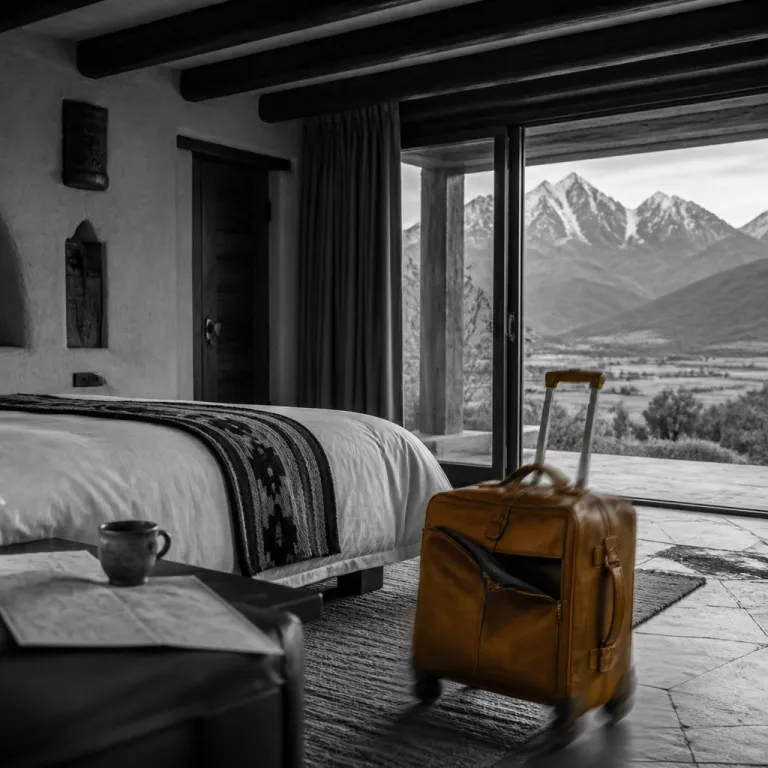
Cocha Bolivia as a high‑altitude escape for discerning travelers
Cocha in Bolivia is a small Andean locality that rewards curious luxury travelers. Set at about 3,864 meters above sea level in the Potosí Department, this quiet town in the south of the country offers a raw, authentic counterpoint to the polished comfort of premium hotels. According to Bolivia’s national geographic data and regional mapping tools, Cocha lies close to 21.07 degrees south and 65.80 degrees west, and the Quechua origin of the word “Cocha” — derived from “qucha”, meaning “lake” or “lagoon” — immediately connects the area to water, landscape and deep cultural memory.
When you plan a stay that combines Cocha Bolivia with larger hubs, you move through some of the most striking contrasts in South America. The high plateau around the city of Potosí feels worlds apart from the lush valleys of Cochabamba Bolivia, yet both share a strong Bolivian identity and a proud sense of place. Luxury and premium hotel booking platforms now allow you to pair a night in a refined property such as Hotel Coloso Potosí or Hostal Patrimonio near the historic mining city with day trips into the open‑air landscapes around Cocha, where the climate is crisp, the sky is sharp blue and the silence is almost total.
Altitude defines the climate here, so you should acclimatize before planning demanding excursions in the area. Many people choose to arrive first in a lower city such as Cochabamba city, whose softer climate is famous as the city eternal of “eternal spring”, then continue south to Cocha Bolivia once they feel comfortable. This stepwise approach lets you enjoy the capital‑level comforts of premium hotels like Gran Hotel Cochabamba or Camino Plaza while gradually adjusting to the high Andean environment that shapes both the local economy and the daily rhythm of life in this part of Bolivia.
Cochabamba city of eternal spring: refined stays and urban comfort
For most travelers, Cochabamba city is the natural urban gateway when planning a trip that includes Cocha Bolivia. Often called the city eternal of “eternal spring”, Cochabamba Bolivia sits in a broad valley whose mild climate feels pleasant year round, making it ideal for longer luxury stays. Here you will find a dense hotel area in the center, where high‑end properties offer spacious suites, panoramic pools and polished service that reflect a confident South American city on the rise.
The local food scene is a highlight, and premium concierges will gladly reserve tables where you can taste fried silpancho, succulent charque and other Bolivian specialties. Many of these restaurants sit within walking distance of the main plaza, the national heritage churches and the cable car to the Cristo de la Concordia, so you can move easily between culture and comfort in this lively city Cochabamba. One concierge at Gran Hotel Cochabamba likes to tell guests, “You can have breakfast by the pool, ride the teleférico before lunch and still be back in time for a tasting menu,” capturing the relaxed rhythm that defines the city. When you compare the cost of living here with other cities in South America, Cochabamba Bolivia often feels more accessible, allowing you to upgrade to a higher hotel category without stretching your budget.
From Cochabamba city, luxury tour operators such as Ruta Verde or local boutique agencies can arrange private transfers south toward Potosí and Cocha Bolivia, or north toward the salt flats and other Bolivia national icons. If your itinerary includes Uyuni, many premium booking sites highlight elevated properties near the salt fields, and guides often reference curated resources such as luxury stays at the Bolivia salt fields when crafting bespoke routes. Using Cochabamba as a comfortable base, you can move between the refined world of five‑star service and the open‑air drama of Cocha Bolivia and the wider Andean plateau.
Language, learning and culture: from Spanish in Cochabamba to Quechua in Cocha
Understanding language and culture will enrich any luxury itinerary that links Cochabamba Bolivia with Cocha Bolivia. In the city, most people speak Spanish as their main tongue, and the Spanish language you hear in Cochabamba city is clear, neutral and widely used in education and media across Bolivia. This makes the city an attractive place for short language courses, with institutions such as the Universidad Mayor de San Simón — often simply called San Simón — and each Bolivia university campus drawing international students into the urban center.
When you travel south toward Cocha in the Potosí Department, you enter an area where Quechua and Aymara traditions sit alongside Spanish in daily life. Hotel concierges in Potosí and high‑end lodges that serve excursions toward Cocha Bolivia often employ local guides who can interpret both the Spanish language and indigenous terms, helping you connect more deeply with the people you meet. One Quechua‑speaking guide from the region describes Cocha as “a place where the wind carries stories,” and this kind of cultural mediation is especially valuable when you visit small villages or attend open‑air markets, where the rhythm of speech and the codes of hospitality differ from those in the larger city Cochabamba.
Many travelers choose to balance their time between the intellectual energy of Cochabamba’s university San Simón district and the contemplative silence of Cocha’s high plains. You might spend several nights in a premium hotel near the academic center, then continue to Lake Titicaca or other Bolivia national highlights before looping back south. For those drawn to sacred landscapes, curated guides to elevated stays such as Isla del Sol on Lake Titicaca can be woven into a broader route that still keeps Cocha Bolivia as a quiet, high‑altitude anchor.
Nature, water and the open air: from Cocha’s heights to Villa Tunari’s jungle
Cocha Bolivia sits in a stark Andean landscape where water is precious and the horizon feels endless. The very name “Cocha” evokes lakes and lagoons, and while the immediate area is dry, the wider region of Bolivia is defined by dramatic shifts between highland basins and lush valleys. Luxury travelers who appreciate this contrast often design itineraries that link the open‑air solitude of Cocha with greener retreats such as Villa Tunari, a town east of Cochabamba city where the Andean foothills drop into the Amazon basin.
In Villa Tunari, the climate turns warm and humid, and premium jungle lodges such as Hotel Los Tucanes or La Molienda Eco Lodge offer guided walks through dense forest, river excursions and encounters with wildlife that feel far removed from the thin air of Cocha Bolivia. Many of these properties emphasize water as a central element, with pools fed by nearby streams and spa rituals that use local ingredients from the surrounding area. When you return to the south and climb back toward the high plateau, the memory of these rivers and waterfalls gives new meaning to the quiet reservoirs and irrigation channels that sustain life around Cocha.
For travelers who value wellness, alternating between the dry, cool climate of the highlands and the softer air of the lowlands can feel restorative. You might begin in Cochabamba Bolivia, continue to Villa Tunari for a few nights in a riverside villa, then head south toward Potosí and Cocha Bolivia for contemplative walks under a vast sky. Along the way, luxury booking platforms help you compare amenities such as open‑air yoga decks, hydrotherapy circuits and private guides, ensuring that every stop — from jungle villa to high‑altitude town — supports both comfort and a deeper connection to Bolivia’s varied landscapes.
Access, airlines and logistics: reaching Cocha Bolivia in comfort
Reaching Cocha Bolivia requires thoughtful planning, and premium booking tools can simplify each step. Most international travelers arrive in the country through major airports in La Paz, Santa Cruz or Cochabamba city, often flying with Boliviana de Aviación, the Bolivia national airline that connects key hubs across the country. From Cochabamba Bolivia, you can continue south by private transfer or scheduled bus toward Potosí, then arrange local transport to the small locality of Cocha in the surrounding area.
Because Cocha sits at high altitude, many travelers schedule a night or two in a lower city first to adapt to the climate. Cochabamba city, with its reputation as the city eternal of “eternal spring”, offers an ideal staging point, and luxury hotels there can coordinate drivers, guides and oxygen support if needed for the onward journey. When you work with a specialist agency or a refined booking website, they will usually map your route across South America in stages, ensuring that each transfer between city and countryside feels smooth and unhurried.
Some itineraries pair Cocha Bolivia with other iconic regions such as Samaipata, Sucre or the Uyuni salt flats, creating a loop that showcases both colonial cities and remote landscapes. For inspiration on how to integrate hidden luxury in smaller towns, curated resources like refined stays in Samaipata can help you understand what to expect beyond the main urban center. Whether you arrive by national airline or overland, the key is to balance efficient connections with enough time in each place so that Cocha Bolivia feels like a destination, not just a point on a map.
Local life, cost of living and responsible luxury around Cocha and Cochabamba
Luxury travel in and around Cocha Bolivia gains depth when you understand how local people live and work. In Cochabamba city, the cost of living remains lower than in many other South American capitals, yet the local economy is dynamic, with markets, universities and service industries shaping a vibrant urban center. This combination allows premium hotels to offer high standards of comfort while still relying on Bolivian suppliers, from organic farms in the valley to artisans who craft textiles and ceramics.
In the smaller locality of Cocha, life moves at a different pace, and the local economy is more closely tied to agriculture and small‑scale trade. When you book excursions from a city hotel toward Cocha Bolivia, choosing operators who employ guides and drivers from the south of the Potosí region helps ensure that tourism revenue circulates within the community. Many responsible agencies now highlight how they support water projects, education initiatives and cultural preservation in the area, giving you a clear sense of how your stay contributes beyond the walls of your chosen property.
Responsible luxury also means paying attention to seasonality and the rhythm of the year‑round calendar. March, for example, can bring changing weather patterns in parts of Bolivia, and concierges will advise you on the best months to combine Cocha Bolivia with other destinations such as Villa Tunari or the salt flats. By aligning your travel dates with local festivals, agricultural cycles and university schedules in Cochabamba Bolivia, you gain a richer understanding of how this corner of South America balances tradition, modernity and the quiet presence of high‑altitude towns like Cocha.
Key figures for planning a refined stay around Cocha Bolivia
- The locality of Cocha in the Potosí Department sits at an altitude of about 3,864 meters above sea level, which makes acclimatization essential for travelers arriving from lower city environments.
- Coordinates for Cocha are approximately 21.07 degrees south latitude and 65.80 degrees west longitude, placing it firmly in the south of Bolivia and within practical overland reach of major Andean routes linking Potosí and Cochabamba city.
- Many travelers use Cochabamba Bolivia, located at roughly 2,500 meters, as a staging point because its milder climate of “eternal spring” offers a more gradual altitude gain compared with flying directly into higher Bolivia national hubs such as El Alto near La Paz.
- Regional planning often pairs Cocha Bolivia with Villa Tunari, which lies several hundred meters lower in elevation and provides a contrasting humid climate, allowing itineraries that move between high plateau and lowland forest within a few days.
FAQ about luxury and premium stays linked to Cocha Bolivia
How do I reach Cocha Bolivia when staying in luxury hotels?
Most travelers fly into Bolivia with Boliviana de Aviación or another national airline, then connect through La Paz, Santa Cruz or Cochabamba city before continuing overland toward Potosí and the locality of Cocha. Premium hotels in Cochabamba Bolivia or Potosí can arrange private transfers for the final leg, ensuring comfort and reliable timing. Because Cocha lies at high altitude, many guests schedule at least one night in a lower city to adapt before heading south.
Is it safe to combine Cocha with other destinations in one itinerary?
Yes, Cocha Bolivia is often included in broader routes that link colonial cities, natural reserves and iconic landscapes such as the Uyuni salt flats or Villa Tunari. Working with a reputable luxury booking website or specialist agency helps you coordinate transport, guides and hotel reservations across multiple areas. They will also advise on seasonal climate patterns and road conditions so that each transfer between city and countryside remains safe and comfortable.
What language support can I expect in hotels near Cocha and Cochabamba?
In Cochabamba city, most premium hotels operate primarily in Spanish, and many staff members also speak English, especially in properties that cater to international guests. Around Cocha Bolivia and smaller towns in the south, Spanish remains the main language, but you will also encounter Quechua and Aymara in daily life. Booking through agencies that work with local guides ensures you have interpretation support when visiting markets, villages or open‑air cultural sites.
When is the best time of year to visit Cocha Bolivia in comfort?
The highland climate around Cocha is cool and dry for much of the year, while Cochabamba Bolivia enjoys its “eternal spring” conditions that feel pleasant year round. Many luxury travelers choose the drier months to combine Cocha with other destinations, as road access and open‑air excursions are more predictable. Concierges can advise on specific months, such as March or later in the season, depending on whether you prioritize clear skies, festivals or quieter city streets.
How can I make my stay around Cocha and Cochabamba more sustainable?
Choosing hotels and agencies that employ local people, source food from nearby farms and support cultural or water projects in the area is a strong start. In Cochabamba city, you can prioritize properties that highlight their partnerships with Bolivian producers and universities, while excursions toward Cocha Bolivia should ideally be led by guides from the south of the Potosí region. Simple actions such as minimizing plastic use, respecting local customs and spending time in open‑air markets rather than only in enclosed malls also help your visit contribute positively to the local economy.