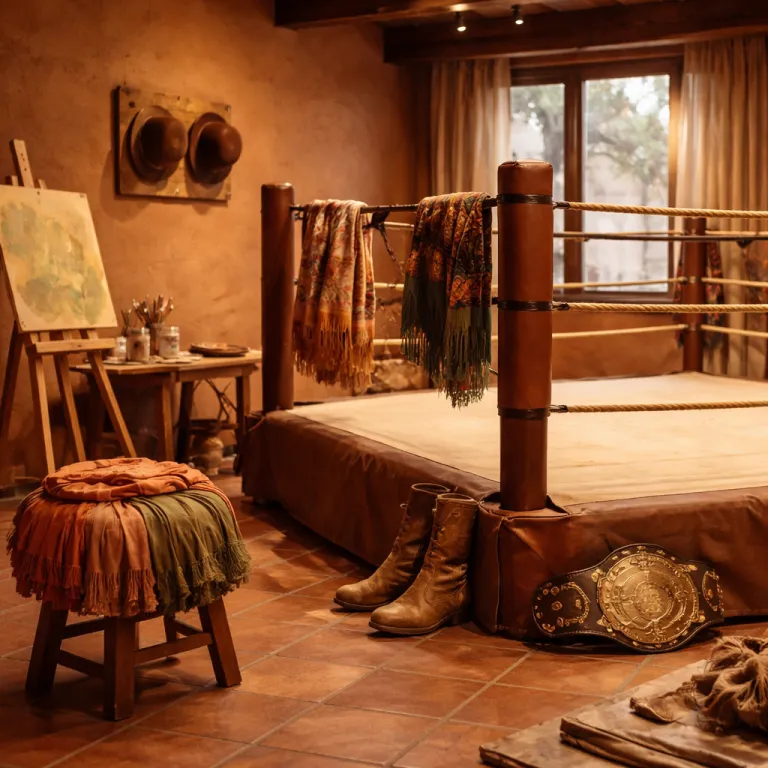
Cholita wrestling in La Paz’s new cultural venue
La Paz has a new address where art and wrestling share the same spotlight. This emerging cholita wrestling La Paz cultural venue occupies a restored colonial mansion in the Sopocachi district, where Aymara artist Roberto Mamani Mamani’s vivid murals surround the central courtyard and frame the wrestling ring, turning every match into a living canvas of Bolivian culture. For luxury travelers choosing high end hotels in Bolivia, it offers a short ride from central La Paz or Zona Sur and a curated way to experience cholitas wrestling without sacrificing comfort.
The host team collaborates with local cultural organizations and tourism agencies, positioning the venue as a bridge between traditional El Alto wrestling matches and the city’s growing creative scene. Here, indigenous women step into the ring in layered polleras, embroidered blouses, and gleaming bowler hats, challenging societal norms while delivering a tightly choreographed wrestling indigenous performance that still feels raw and emotional. One organizer explains it to first time visitors as “a staged wrestling show where indigenous women use humor, acrobatics, and social commentary to tell their own stories.”
Shows usually run in the evenings, with doors typically opening around 17:00 and the first match starting about an hour later, which suits travelers returning from day trips around La Paz and El Alto. Organizers describe attendance as a few hundred spectators on busy nights, creating an atmosphere that is lively yet manageable, and reviews from both local guests and international visitors highlight the balance between entertainment and cultural storytelling. For guests who want to experience Bolivia through its people rather than only its landscapes, this cholita wrestling La Paz experience is fast becoming one of the most talked about cultural nights in the capital.
From El Alto arenas to curated cultural hub
Cholitas wrestling began in El Alto in the early 2000s, when indigenous Bolivian women turned the language of wrestling into a form of protest and pride. Traditional venues in El Alto still host wrestling matches in large community halls, where a basic wrestling ring, plastic chairs, and simple transportation options create a raw, local experience that many travelers love. The new La Paz cultural venue keeps that spirit but refines the setting, offering better sound, lighting, and seating that align more closely with premium hotel expectations.
Inside the mansion, Mamani Mamani’s Aymara inspired paintings wrap around balconies and staircases, so every cholita and every group of cholitas enters the ring framed by intense blues, oranges, and Andean symbols. The contrast between colonial architecture and contemporary wrestling indigenous performances underlines how Bolivian culture is rewriting its own narrative, with indigenous women no longer on the margins but at the center of the show. As one performer put it in a recent local interview, “We fight in the ring so our daughters can walk taller in the street.” For travelers who already plan an unforgettable salt flat stay in Uyuni, adding a night at this La Paz cultural hub rounds out the journey from landscape to living culture.
Compared with the high altitude arenas of El Alto, the La Paz mansion offers shorter queues, clearer information on what each ticket includes, and more structured transportation options arranged through hotels or trusted agencies. Families asking whether cholita wrestling is suitable for children will find a family friendly environment where the matches are choreographed, the humor is broad, and the drama is theatrical rather than violent. For solo travelers focused on unique experiences and deeper experience Bolivia moments, the venue’s scale and central location make it easier to attend a match independently without joining a large tour group.
How luxury hotels are curating the cholita experience
La Paz’s top properties are starting to treat cholita wrestling as a core cultural experience rather than a novelty excursion. Concierges at leading hotels in Zona Sur and the central districts now arrange tickets, private transportation, and even pre show briefings on Bolivian culture, so guests arrive at the venue understanding why women cholitas in bowler hats and polleras have become icons of indigenous empowerment. For travelers staying at design forward addresses such as a contemporary art focused hotel in Zona Sur, the link between gallery walls and the Mamani Mamani painted mansion feels especially natural.
Typical packages sold through luxury hotels are presented as curated experiences and will include a reserved seat close to the wrestling ring, a bilingual guide to help guests experience cholitas and understand the storylines, and round trip transportation between La Paz and the venue or El Alto. Price points are often advertised between about 13 and 28 US dollars per ticket, depending on whether the ticket includes VIP seating, snacks, or hotel pickup, which remains accessible compared with other global cultural shows. For travelers planning broader itineraries that combine La Paz, Lake Titicaca, and high end Uyuni salt flat lodges, resources such as this guide to planning an unforgettable Uyuni salt flats tour with luxury stays help align dates so that a Sunday or Thursday match fits neatly between long travel days.
Behind the theatrics, the impact is serious: organizers aim to showcase indigenous Bolivian identity, empower Bolivian women, and shift how visitors read La Paz and El Alto beyond headlines. As one of the event FAQs puts it plainly for those who might try to skip context and focus only on whether the matches are real: “Are the matches real or staged? They are choreographed performances.” For luxury travelers who value context as much as comfort, an evening at this cholita wrestling La Paz cultural venue can be an unforgettable experience that anchors their experience Bolivia narrative in the strength and humor of indigenous women on their own terms.
Practical notes for premium travelers
Shows usually run every Sunday and Thursday evening, which aligns well with typical La Paz travel patterns, though schedules can vary slightly by season and organizer. Doors often open around 17:00, and the full program of wrestling matches lasts two to three hours, so guests can return to their hotel by late evening. Arriving early secures better seats and time to appreciate the Mamani Mamani artwork before the first cholita steps into the ring.
At altitude, temperatures drop quickly after sunset, so dress warmly and bring layers even if your hotel feels mild. Most venues still operate largely with cash for the ticket purchase and on site snacks, so carrying small Bolivian boliviano notes is practical for a smooth local experience. While some premium hotels will add the ticket to your room bill, independent travelers should confirm in advance what the ticket includes, from transportation to seating category, to avoid last minute surprises.
Reputable agencies and hotel concierges can arrange private or small group transportation between La Paz and El Alto or the central mansion, which is preferable to hailing a random taxi late at night. When comparing reviews, look for comments that mention clear explanations of Bolivian culture, respectful treatment of indigenous women performers, and safe logistics back to the hotel. Approached this way, cholita wrestling becomes less a spectacle and more a carefully framed cultural event that fits comfortably within a luxury stay in Bolivia.