Hotel Atix La Paz as a gateway to Bolivian art and altitude luxury
Hotel Atix La Paz stands in the elegant Zona Sur, where the city stretches along a dramatic Andean valley. This luxury hotel balances contemporary design with a strong sense of place, giving travelers refined comfort while La Paz pulses outside. Guests who choose this hotel in La Paz, Bolivia, often seek both serenity and easy access to the city’s most sophisticated neighborhoods.
The property is officially part of the Design Hotels portfolio, positioning Atix Hotel among leading design hotels that emphasize architecture and narrative. This design hotel uses local materials and textures to connect guests with Bolivian landscapes, while still delivering the polished service expected from premium hotels. Within La Paz Bolivia, few hotels combine such considered design with a clear mission to promote art culture and regional identity.
Atix means “one who thrives” in Quechua, and that idea shapes the experience at this hotel Atix address in Zona Sur. The concept resonates with travelers who want their time in the city to feel purposeful, not just comfortable. In this sense, hotel Atix La Paz becomes more than a place to sleep ; it becomes a curated base for travel through Bolivia and beyond.
Guests arriving from long international flights appreciate that the hotel in La Paz sits at a slightly lower altitude than the historic center. This helps many visitors acclimatize more gently to the 3 640 meters of the wider city. From here, they can explore the south of La Paz, then continue toward the salt flats or other highland destinations.
Architecture, materials and the story behind Atix Hotel’s design
The architecture of hotel Atix La Paz reflects a dialogue between contemporary lines and ancestral landscapes. New York based architect Stuart Narofsky shaped Atix Hotel as a vertical canvas, where each floor reveals a different facet of Bolivia. His work places the hotel among international design hotels while remaining deeply rooted in local context.
One of the most striking elements is the use of Comanche stone on the façade, a material sourced from the south of La Paz Department. This stone gives the design hotel a warm, earthy tone that changes with the city’s shifting light. Inside, polished surfaces and clean lines contrast with textured walls, creating a balance between urban sophistication and Bolivian heritage.
Floor to ceiling windows frame the surrounding mountains, turning every room into a private observatory over the city. These ceiling windows not only flood spaces with natural light, they also emphasize how La Paz thrives Quechua in language, markets and daily life. Guests quickly understand that the hotel Atix project is inseparable from the wider culture of La Paz Bolivia.
The layout of each floor is designed to guide guests from public to intimate spaces with intuitive flow. Corridors are kept calm and uncluttered, allowing the art and views to fill the visual field. In this way, hotel Atix La Paz demonstrates how a design hotel can feel both minimal and richly expressive.
Art, Gastón Ugalde and the creative soul of Hotel Atix La Paz
Art is not an accessory at hotel Atix La Paz ; it is the backbone of the concept. The hotel’s permanent collection centers on works by the Bolivian artist Gastón Ugalde, often called the Andy Warhol of the Andes. His presence ensures that Atix Hotel stands out among hotels in La Paz Bolivia for its cultural depth.
The hotel features works by Bolivian artist Gastón Ugalde, known as the 'Andy Warhol of the Andes'. Many of these pieces draw inspiration from the Uyuni salt flats, translating vast white horizons into bold colors and experimental forms. Through this collaboration, the hotel Atix narrative connects the urban energy of the city with the silence of the high plateau.
Each floor of the hotel functions almost like a small gallery, where photographs and installations by artist Gastón Ugalde reinterpret Bolivian landscapes. Guests moving between floor and rooftop bar encounter images of salt, mountains and lakes that echo their wider travel plans. This curatorial approach reinforces the idea that design hotels can serve as cultural ambassadors, not just stylish shelters.
Public spaces at Atix Hotel also highlight other voices from Bolivian art culture, creating a layered portrait of the country. The combination of contemporary pieces and traditional references helps international visitors understand how La Paz thrives Quechua and Aymara influences in a modern setting. For many guests, hotel Atix La Paz becomes their first in depth introduction to Bolivia’s creative scene.
Rooms, views and the sensory experience of staying at Hotel Atix
Guest rooms at hotel Atix La Paz are designed to feel calm, spacious and quietly luxurious. Natural materials, soft textiles and carefully chosen lighting create a restful atmosphere after intense days in the city. The design hotel philosophy is evident in every detail, from custom furniture to discreet technology.
Many rooms feature generous floor to ceiling windows that frame the surrounding mountains and the Zona Sur skyline. These ceiling windows allow guests to wake with soft Andean light, while night reveals a constellation of city lights below. The effect is particularly striking for travelers arriving from the salt flats, who recognize familiar highland silhouettes from a new perspective.
Bathrooms often use stone and glass to echo the Comanche stone façade, reinforcing the connection between interior and exterior. Thoughtful amenities fill each space without clutter, reflecting the hotel Atix commitment to both comfort and design. Guests can expect the standards of leading hotels in La Paz Bolivia, enhanced by a distinct sense of place.
Sound insulation between each floor ensures that the atmosphere remains tranquil, even when the rooftop bar is lively. Subtle references to Bolivian culture appear in textiles, photography and small decorative objects. Together, these choices make hotel Atix La Paz an appealing option for travelers who value both aesthetics and practicality during their stay in the city.
Rooftop bar, gastronomy and the taste of contemporary Bolivia
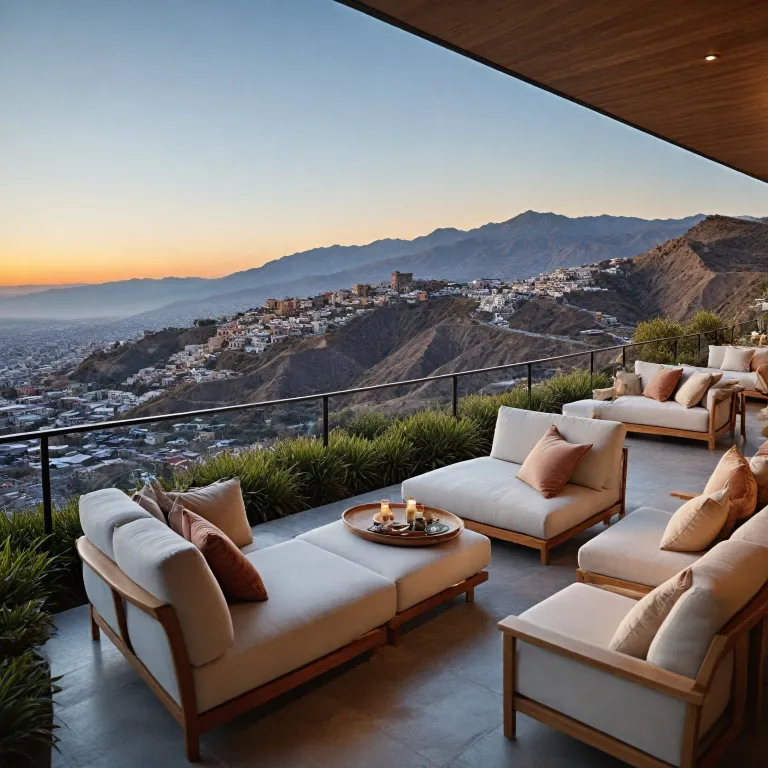
The rooftop bar at hotel Atix La Paz is one of the property’s signature spaces. From this elevated terrace, guests enjoy sweeping views over the south of the city and the surrounding mountains. As the sun sets, the atmosphere shifts from relaxed afternoon lounge to sophisticated evening venue.
Mixologists at the rooftop bar work with Bolivian spirits and ingredients, including singani, native herbs and Andean fruits. Cocktails often reference the salt flats or highland landscapes, using smoked elements or mineral notes to evoke the plateau. This creative approach aligns with the broader design hotel philosophy, where every element tells part of the Atix Hotel story.
The main restaurant at hotel Atix La Paz focuses on contemporary Bolivian cuisine, highlighting local produce and regional techniques. Dishes might incorporate quinoa, llama, Andean tubers or even salt sourced from Uyuni, presented with refined plating. Guests who have traveled through Bolivia appreciate how these flavors reinterpret familiar ingredients in a city setting.
Breakfast and lighter meals maintain the same attention to detail, ensuring that every floor of service meets premium expectations. The culinary team works to fill menus with options that respect dietary preferences without losing local character. Among hotels in La Paz Bolivia, hotel Atix stands out for integrating gastronomy, art culture and design into a coherent, memorable experience.
Location in Zona Sur, travel logistics and exploring La Paz from Atix
Hotel Atix La Paz is located in Calacoto, within the broader Zona Sur district. This area sits lower than the historic center, which many travelers find helpful when adjusting to the altitude of the city. The neighborhood is known for its tree lined streets, upscale residences and growing selection of restaurants and bars.
From hotel Atix, guests can easily reach cable car stations that connect Zona Sur with central La Paz Bolivia. These aerial lines offer dramatic views and an efficient way to move across the steep valley. For travelers planning longer journeys to the salt flats or Lake Titicaca, the hotel team can assist with transfers and itineraries.
Many visitors combine a stay at Atix Hotel with nights at other properties such as Casa Grande or a grande hotel in the historic center. This approach allows them to experience different sides of the city while maintaining a consistent level of comfort. For detailed guidance on premium stays across the country, travelers can consult resources such as this guide to luxury lifestyle concepts for travelers and premium hotel booking experiences in Bolivia: luxury lifestyle concepts for travelers in Bolivia.
Within Zona Sur, guests can walk from hotel Atix La Paz to cafés, galleries and small design focused shops. The area reflects how La Paz thrives Quechua and Aymara roots alongside contemporary urban life. For many, this balance of calm streets, city access and cultural richness makes hotel Atix an ideal base for exploring Bolivia.
Booking strategies, luxury expectations and the role of Hotel Atix in Bolivia
For travelers using a luxury and premium hotel booking website in Bolivia, hotel Atix La Paz often appears as a benchmark property. Its membership in the Design Hotels network reassures guests who prioritize architecture, service and narrative. At the same time, its focus on Bolivian art culture and materials distinguishes it from more generic international hotels.
When comparing hotels in La Paz Bolivia, travelers should look beyond room size and rate to evaluate design, location and cultural integration. Atix Hotel’s use of Comanche stone, collaboration with artist Gastón Ugalde and emphasis on floor to ceiling windows all contribute to a richer stay. These elements show how a design hotel can interpret the salt flats, mountains and city life within a single vertical space.
Booking several nights at hotel Atix allows guests to adjust to altitude, explore Zona Sur and plan excursions to the wider region. The team can help fill itineraries with visits to markets, galleries and viewpoints that reveal how La Paz thrives Quechua traditions in a modern context. For travelers continuing south toward Uyuni or other highland destinations, this hotel in La Paz serves as a refined staging point.
In the broader landscape of Bolivian hospitality, hotel Atix La Paz demonstrates how a locally rooted, design forward property can elevate perceptions of the city. Its rooftop bar, curated art and thoughtful architecture position it as a reference for future projects across Bolivia. As more visitors seek meaningful stays rather than simple beds, hotels that unite comfort, culture and strong design will shape the next chapter of travel in the country.
Key statistics about Hotel Atix La Paz and La Paz altitude
- Number of rooms at Atix Hotel in La Paz Bolivia : 53 rooms, offering an intimate scale for personalized service.
- Approximate altitude of La Paz city : 3 640 meters above sea level, making acclimatization planning essential for many travelers.
Frequently asked questions about Hotel Atix La Paz
What amenities does Atix Hotel offer ?
Atix Hotel offers an infinity pool, rooftop bar, art gallery, and fine dining restaurant. These amenities complement the design hotel architecture and curated art culture, giving guests multiple ways to relax and engage with Bolivian creativity. Together, they help hotel Atix La Paz stand out among premium hotels in the city.
Who is the artist featured at Atix Hotel ?
The hotel features works by Bolivian artist Gastón Ugalde, known as the 'Andy Warhol of the Andes'. His pieces, many inspired by the salt flats and highland landscapes, appear throughout the floors and public spaces. This collaboration reinforces the identity of Atix Hotel as a design hotel that celebrates Bolivia’s contemporary art scene.
What does “Atix” mean ?
“Atix” means “one who thrives” in Quechua, a concept that resonates strongly in La Paz Bolivia. The name reflects how the hotel aims to help guests thrive at altitude through comfort, design and attentive service. It also acknowledges the indigenous cultures that continue to shape the city and the wider south of the country.