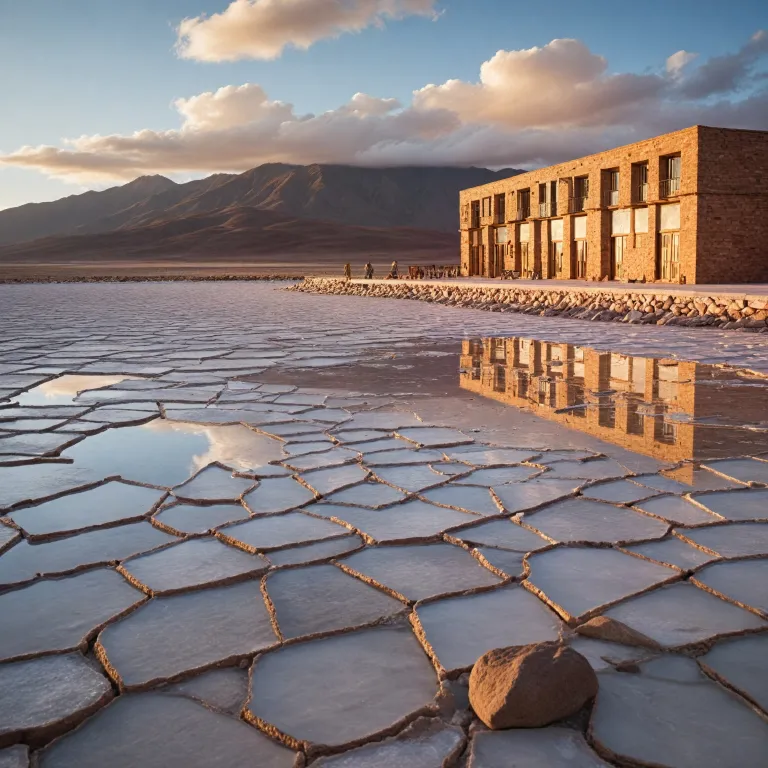
Salt palace hospitality at the edge of the Uyuni salt flat
Palacio de Sal is a hotel built almost entirely from salt blocks, and it offers one of the most singular luxury stays in Bolivia. The property stands on the shores of the Salar de Uyuni salt flat, where the white crust of salt stretches for kilometres under an immense sky. This hotel built from compacted salt blocks turns a simple overnight stay into an immersion in the mineral soul of the desert.
The palace salt concept was pioneered by Bolivian hotelier Juan Quesada Valda, who saw the salar as both building material and landscape. Today, the hotel Palacio de Sal combines that original vision with refined service, attentive staff, and carefully designed rooms that respect the fragile environment. Guests sleep in rooms whose walls, floors, and even some tables and chairs are crafted from salt blocks cut directly from the salar.
The location on the edge of the largest salt flats in South America allows guests to enjoy the Uyuni largest salt flat without compromising on comfort. Palacio de Sal staff maintain the salt walls and arches with meticulous care, ensuring the structure remains stable despite the desert’s extreme dryness. Respect the famous rule posted discreetly in the corridors : "Respect the 'no licking the walls' rule to preserve the structure."
This sal hotel sits at around 3,700 meters above sea level, so travellers should plan time to acclimatise. The hotel palacio offers oxygen, herbal teas, and slow paced activities to ease the effects of altitude. From the first evening, many guests feel the calm of the salar desert replacing the fatigue of travel.
Architecture in salt blocks and the art of sleeping inside the salar
The architecture of Palacio de Sal is inseparable from the salar Uyuni landscape, because the same salt that forms the flat is used to shape the hotel. More than one million salt blocks were cut, dried, and stacked to create walls, arches, domes, and corridors that echo local Andean forms. Each palacio style curve softens the stark geometry of the salt flat, giving the hotel a warm, sculpted character despite its mineral composition.
Inside, the rooms are arranged around patios that frame views of the salt flats and the desert horizon. Salt blocks form the bed bases, headboards, and some interior walls, while textiles from south Bolivia add colour and warmth. The result is a unique balance between the cool white of salt and the beautiful reds, oranges, and indigos of traditional weaving.
Guests often photograph the salt flat walls, the vaulted ceilings, and the circular lounges where salt blocks become benches and tables. These photos travel quickly across Instagram Facebook, reinforcing the hotel’s reputation as a unique architectural experiment in south America. For travellers planning a wider itinerary of refined stays, this guide to a luxury and premium hotel booking in Bolivia near heritage sites can help connect Palacio de Sal with other high end properties.
The hotel built from salt requires constant maintenance, because the desert climate and occasional humidity can erode the blocks. Palacio de Sal staff work with local artisans to repair joints, refresh surfaces, and ensure that rooms remain comfortable and safe. This ongoing care allows guests to sleep inside the salar without compromising structural integrity or environmental responsibility.
Inside the rooms: comfort, atmosphere, and the sensory experience of salt
Every room at Palacio de Sal is designed to highlight the materiality of salt while still meeting modern expectations of a luxury hotel. Guests will notice that many walls, bed bases, and even some tables and chairs are sculpted from salt blocks, softened by high quality linens and warm lighting. The contrast between the crystalline salt and the soft textiles creates a cocoon like atmosphere that feels both grounded and ethereal.
Room categories vary in size and layout, but all offer private bathrooms, heating, and carefully positioned windows that frame the salar or desert. The sal located rooms facing the salt flat are particularly sought after, because sunrise and sunset paint the largest salt surface in delicate shades of pink, gold, and violet. In the evening, the flat becomes a mirror when thin layers of water appear, and guests can watch the reflections from the comfort of their beds.
Because the hotel is located at high altitude, the design prioritises rest and warmth, with thick blankets and efficient insulation in the salt walls. The hotel palacio team recommends slow movements, light meals, and plenty of water during the first day to adapt to the altitude. Many travellers appreciate that the rooms are quiet, with the desert absorbing sound and the salt blocks providing natural acoustic insulation.
For those planning a longer travel route through Bolivia, combining Palacio de Sal with a refined stay in La Paz can create a balanced itinerary. You can read about where to find the best hotel in La Paz for a refined stay and then connect by flight to Uyuni. This combination allows you to experience both urban sophistication and the raw beauty of the salt flats.
Wellness, gastronomy, and the swimming pool in a palace of salt
Beyond the rooms, Palacio de Sal offers a range of wellness facilities that make the most of its unusual setting on the salt flat. The hotel includes a swimming pool, a dry sauna, a steam room, and a saltwater pool that echo the mineral richness of the salar. Guests can move from the cool desert air to the warm interior waters, easing muscles after long excursions across the salt flats.
The spa area is designed with salt blocks and soft lighting, creating a calm environment that contrasts with the bright white exterior landscape. Treatments often use local ingredients from south Bolivia, such as quinoa, Andean herbs, and mineral rich salts. This focus on regional products reinforces the connection between the hotel, the salar Uyuni environment, and the communities that live around the desert.
In the restaurant, chefs work with the Palacio de Sal staff to present menus that highlight Bolivian flavours while respecting altitude and climate. Dishes may feature llama, trout, quinoa, and vegetables from nearby valleys, served on tables and chairs that continue the salt theme. The dining room’s large windows open towards the Uyuni largest salt flat, so every meal is accompanied by an ever changing horizon.
Guests should be aware that the hotel’s privacy policy covers the handling of booking data, wellness reservations, and any photos shared with the property. This is particularly relevant for travellers who wish to feature the hotel on Instagram Facebook or other platforms. By aligning wellness, gastronomy, and digital communication, Palacio de Sal maintains a coherent identity as a palace salt retreat in south America.
Planning your stay: location, access, and responsible travel on the salt flats
Palacio de Sal is located near the village of Colchani, on the edge of the Salar de Uyuni in south Bolivia. This location allows easy access to the salt flats while avoiding the environmental pressures that affected earlier constructions in the centre of the salar. Travellers usually reach Uyuni by plane from La Paz or by road from other Andean cities, then continue to the hotel by private transfer or organised tour.
The salar itself is the largest salt flat in south America, covering more than 10,000 km² at an altitude of around 3,656 meters. During the dry season, the salt flats form a hard, polygonal crust that supports vehicles and allows wide ranging excursions. In the wetter months, thin layers of water transform the flat into a mirror, and the hotel’s location becomes ideal for photographers seeking beautiful reflections.
Responsible travel is essential in this fragile desert environment, and Palacio de Sal has adapted its operations accordingly. The original hotel built in the centre of the salar was dismantled due to environmental concerns, leading to the current sal located position on the shore. Today, waste management, water use, and visitor flows are carefully controlled to protect the salt blocks, the flat, and the surrounding desert.
Guests are encouraged to follow local guidelines, stay on established routes, and respect the salar Uyuni ecosystem. The hotel’s privacy policy also extends to environmental data and partnerships with local authorities, ensuring transparency in sustainability efforts. By choosing a hotel built with local materials and responsible practices, travellers support both the palacio concept and the communities of south Bolivia.
Capturing Palacio de Sal: photography, social media, and practical booking insights
For many travellers, Palacio de Sal is as much a visual experience as a place to sleep, and photography plays a central role in the stay. The contrast between the white salt flat, the blue sky, and the sculpted salt blocks of the hotel creates striking compositions. Guests often plan specific times of day to capture photos of the walls, rooms, and desert, especially at sunrise and sunset.
Inside, the interplay of light on the salt flat walls and arches offers opportunities for more intimate images. Tables and chairs carved from salt, the swimming pool area, and the softly lit corridors all lend themselves to atmospheric shots. Outside, the Uyuni largest salt flats provide the famous perspective tricks, where travellers appear to stand on tiny objects or walk across the sky.
When sharing images on Instagram Facebook or other platforms, it is courteous to respect fellow guests’ privacy and the hotel’s guidelines. The privacy policy of Palacio de Sal covers how the hotel may use guest photos in its own communication, and staff can advise if you have questions. Many visitors tag both the hotel and the broader location, highlighting that this palace salt retreat is located in south America’s most iconic salt desert.
From a booking perspective, demand is high during peak travel seasons, so advance reservations are strongly recommended. Travellers should check room categories, included services, and any special packages that combine excursions on the salt flats with wellness experiences. By planning carefully, you can ensure that your stay at this unique sal hotel aligns with your expectations for comfort, landscape, and photographic memories.
Key figures about Palacio de Sal and Salar de Uyuni
- Area of Salar de Uyuni : 10,582 km² of continuous salt flat surrounding the hotel’s region.
- Altitude of Salar de Uyuni : approximately 3,656 meters above sea level in south Bolivia.
- Number of salt blocks used in construction : around 1,000,000 blocks shaping walls, rooms, and shared spaces.
Frequently asked questions about Palacio de Sal
What is Palacio de Sal?
Palacio de Sal is a hotel in Bolivia constructed entirely from salt blocks, located on the edge of the Salar de Uyuni. The property offers a unique combination of architectural experimentation, desert landscape, and refined hospitality. Guests stay in rooms where many structural elements, including some furniture, are made from compacted salt.
Why was the original Palacio de Sal hotel dismantled?
The original hotel, built in the center of the Salar de Uyuni, was dismantled in 2002 due to environmental concerns and sanitation issues. Its isolated location on the flat made waste management and water use difficult to control. The current hotel stands on the shore of the salar, where infrastructure and environmental protections are easier to implement.
What amenities does Palacio de Sal offer?
The hotel offers amenities such as a dry sauna, steam room, saltwater pool, and whirlpool baths. Guests also benefit from a restaurant focused on regional cuisine, comfortable rooms, and curated excursions on the salt flats. Together, these services create a complete experience that blends wellness, gastronomy, and the singular landscape of the Uyuni desert.
References
- Bolivia Ministry of Cultures and Tourism
- Bolivia Tourism Observatory
- Local Uyuni tourism office