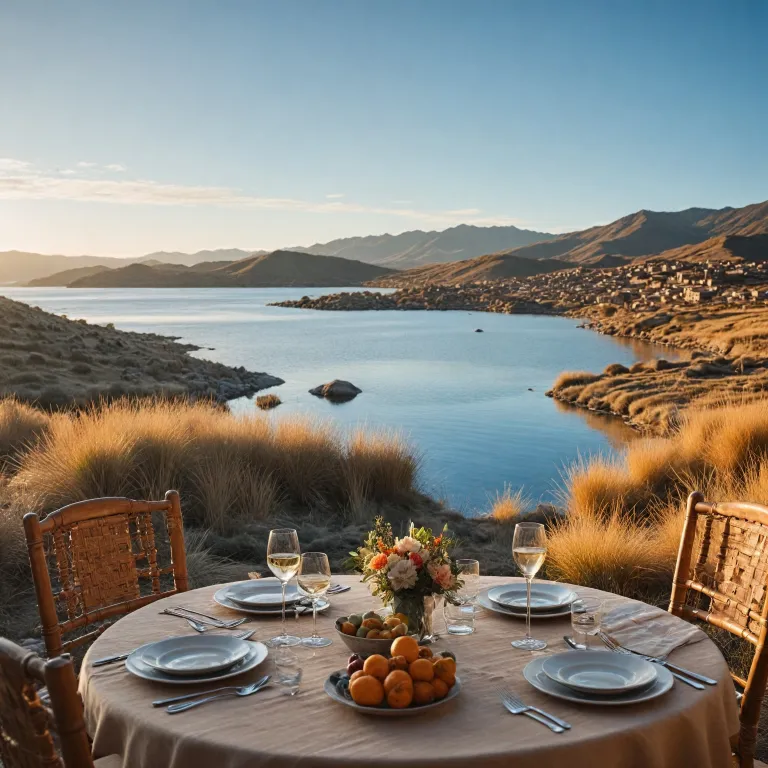
Lake Titicaca in Latin America as a luxury travel setting
Lake Titicaca in Latin America offers a rare blend of altitude, heritage, and refined comfort. This vast lake in the Andes Mountains sits at about 3 810 metres, creating a luminous horizon that feels almost unreal. For luxury travelers, the combination of pristine water, ancient Inca history, and curated services makes every lake sunrise feel tailored.
Straddling Peru and Bolivia, Lake Titicaca connects two countries yet feels like a single highland world. The lake and its islands form a natural corridor between Puno in Peru and Copacabana in Bolivia, ideal for itineraries that link Peru Bolivia routes with ease. Many premium itineraries pair Lake Titicaca Latin America stays with Machu Picchu and Lima Cusco journeys, creating a coherent South America narrative.
Lake Titicaca is the highest navigable lake in the world and the largest in South America by volume and surface area. This geographical status shapes how luxury hotels design experiences around the water, from private boat transfers to exclusive floating islands visits. The scale of Titicaca Lake also means that side lake locations can feel secluded while remaining well connected to Puno Peru or the Bolivian shore.
Travelers often combine several days at the lake with a broader Peru Bolivia circuit. High end travel planners design tours that move from Lima to the Sacred Valley, then on to Machu Picchu and finally the calm of Lago Titicaca. In this context, Lake Titicaca Latin America stays become the serene finale to a demanding Andes Mountains journey.
Choosing premium stays on both the Peru and Bolivia shores
Selecting a luxury hotel around Lake Titicaca Latin America starts with understanding each shore. The Peru side around Puno offers polished services, efficient logistics, and easy access to the Uros floating islands. On the Bolivia side, Copacabana and Isla del Sol provide a quieter atmosphere, with island sunsets that feel almost private.
Many travelers begin in Lima, then continue to Cusco, Machu Picchu, and finally Puno Peru for the lake. This Lima Cusco and Machu Picchu Peru route is well supported by premium operators, making it simple to add several days at Titicaca Lake. When comparing Peru Bolivia options, consider whether you prefer the structured comfort of Puno or the more contemplative rhythm of an island in Bolivia.
On the Peru shore, high end properties often sit slightly above the water, giving panoramic views of the lake and islands. These side lake locations allow guests to watch the changing colours of Lago Titicaca while remaining close to Puno’s port. Curated tours to the Uros floating islands, Taquile Island, and other islands are usually available directly from hotel docks.
On the Bolivia shore, Isla del Sol and Isla de la Luna offer more intimate stays, with fewer visitors and a stronger sense of isolation. Here, luxury is defined less by opulence and more by silence, space, and carefully guided walks along ancient Inca paths. For a deeper overview of how premium platforms curate these stays, many travelers consult a specialised guide to luxury and premium hotel booking websites in Bolivia.
Designing an elegant itinerary around Lake Titicaca and Machu Picchu
A refined itinerary around Lake Titicaca Latin America usually balances altitude, culture, and rest. Many guests arrive from Lima or Cusco, so planning several days for acclimatisation at the lake is essential. Because the lake sits high in the Andes Mountains, slow pacing and thoughtful hotel choices protect both comfort and health.
One classic route links Lima Cusco, the Sacred Valley, Machu Picchu, and finally Puno Peru on the lake. From there, travelers may cross into Bolivia Peru circuits, continuing towards La Paz or the Uyuni region for further South America exploration. Combining Machu Picchu and Lake Titicaca in a single travel plan allows you to experience both Inca citadels and highland water landscapes.
Many premium operators design multi days tours that include the Uros floating islands, Taquile Island, and Isla del Sol. These tours often use private boats on Titicaca Lake, with flexible schedules that adapt to changing light and weather. For those extending beyond the lake, curated journeys sometimes connect with Ecuador Galápagos or Galápagos Islands cruises, creating a wider Latin America arc.
Travelers interested in Bolivia Peru combinations often add the Uyuni salt flats to their Lake Titicaca Latin America stay. For guidance on aligning high end hotels across La Paz, Santa Cruz, Uyuni, and the lake, it is useful to consult a resource on unlocking Bolivia’s best hotel deals and premium stays. Linking Lake Titicaca, Machu Picchu, and Uyuni in one South America journey creates a coherent narrative of water, stone, and salt.
Seasonality, dry season light, and side lake microclimates
Seasonality plays a decisive role when planning a luxury stay around Lake Titicaca Latin America. The dry season typically brings clearer skies, calmer water, and sharper views of the Andes Mountains. During these months, sunrise and sunset over the lake and islands become particularly photogenic, which many premium hotels highlight in their programming.
In the dry season, boat transfers to the Uros floating islands and other islands are generally smoother. This benefits travelers who prefer comfortable navigation on Titicaca Lake, especially when staying at side lake properties that rely on water access. Clearer weather also enhances excursions to Isla del Sol, Isla de la Luna, and other island viewpoints on both the Peru and Bolivia shores.
Outside the dry season, Lake Titicaca Latin America can feel moodier, with shifting clouds and more dramatic light. Some travelers appreciate this atmosphere, especially when combined with fireplaces, spa facilities, and slow paced days in elegant lakefront suites. However, it is important to plan extra days in case wind or rain affects boat schedules to the floating islands or remote island communities.
Because the lake stretches about 190 kilometres in length and 80 kilometres in width, microclimates can vary between Puno Peru and Bolivian areas. Side lake locations may experience different wind patterns compared with central Lago Titicaca routes. When booking, ask hotels and tour operators for precise travel tips about expected conditions on your specific section of Titicaca Lake.
Cultural depth, Uros floating islands, and responsible luxury
Lake Titicaca Latin America is not only a scenic lake but also a living cultural landscape. The Uros floating islands, built from totora reeds, remain one of the most emblematic communities on the water. Visiting these floating islands in a respectful way requires careful coordination between travelers, guides, and local families.
Premium hotels and operators increasingly emphasise responsible travel on Titicaca Lake and its islands. They design tours that limit group sizes, extend visit durations beyond quick photo stops, and ensure that payments reach Uros households directly. This approach helps balance the economic benefits of tourism with the preservation of traditional practices on each island.
Beyond the Uros, other islands such as Taquile and Isla del Sol offer deeper insight into Andean life. On Isla del Sol, Inca terraces and pathways connect small communities with sweeping views of the lake and the distant Andes Mountains. Many itineraries combine these cultural visits with refined lunches, wine pairings, and quiet moments by the water, aligning comfort with authenticity.
Environmental responsibility is equally important, as declining water levels and pollution affect Lago Titicaca. Conservation efforts aim to protect endemic species such as the Titicaca water frog and the flightless Titicaca grebe. When choosing hotels and tours around Lake Titicaca Latin America, look for operators who share transparent travel tips about waste management, water use, and support for local conservation initiatives.
High altitude wellness, practical travel tips, and extended Latin America routes
Staying at Lake Titicaca Latin America means embracing high altitude travel with care. At around 3 810 metres, the lake environment can challenge even experienced travelers, especially during the first days. Luxury hotels respond with oxygen enriched lounges, herbal infusions, and slow paced itineraries that respect the body’s adaptation rhythm.
Essential travel tips include hydrating well, avoiding heavy meals on arrival, and planning gentle activities during the first days at Titicaca Lake. Many guests schedule boat rides on the lake or short walks on nearby islands rather than demanding hikes. Hotels on both the Peru and Bolivia shores often coordinate medical support and provide clear guidance on altitude related symptoms.
For travelers extending beyond Lake Titicaca Latin America, South America offers many complementary routes. Some itineraries link Puno Peru with La Paz, then continue towards Uyuni or further into Bolivia Peru border regions. Others combine the lake with Machu Picchu, Picchu Peru archaeological sites, and even Ecuador Galápagos or Galápagos Islands cruises for a broader Latin America experience.
As you refine your plans, consider integrating Lake Titicaca with other high profile destinations through specialised platforms for refined travelers. One example is a detailed feature on Uyuni hotels for refined travelers seeking the essence of the salt flats, which illustrates how premium curation works in Bolivia. By applying similar standards to Lake Titicaca Latin America, you can ensure that every lake, island, and water based experience aligns with your expectations of elegance and depth.
Key statistics about Lake Titicaca for informed luxury planning
- Elevation of Lake Titicaca is approximately 3 810 metres above sea level, which significantly influences acclimatisation needs and wellness planning.
- The lake covers about 8 300 square kilometres in surface area, offering extensive space for varied side lake locations and secluded hotel settings.
- Lake Titicaca stretches roughly 190 kilometres in length, allowing for multi days itineraries that traverse both Peru and Bolivia shores.
- The maximum width of the lake is around 80 kilometres, creating broad water vistas from many islands and lakefront properties.
- Maximum depth reaches about 281 metres, shaping navigation routes and the ecological conditions that support endemic species.
Essential questions about Lake Titicaca for luxury and premium travelers
What is the significance of Lake Titicaca for high end travelers ?
What is the significance of Lake Titicaca? Lake Titicaca is significant for its unique geography, cultural history, and biodiversity. For luxury travelers, this significance translates into curated experiences that combine high altitude lake scenery, Inca heritage on islands such as Isla del Sol, and encounters with communities on the Uros floating islands. The lake’s position between Peru and Bolivia also allows for sophisticated itineraries that link Machu Picchu, Puno, Copacabana, and other South America highlights.
Are there unique species in Lake Titicaca that travelers should know about ?
Are there any unique species in Lake Titicaca? Yes, the lake is home to unique species like the Titicaca water frog and the flightless Titicaca grebe. Understanding this biodiversity adds depth to premium lake tours, as guides can explain how changing water levels and pollution affect these endemic species. Many responsible operators now integrate conservation messages into their Lake Titicaca Latin America excursions, helping guests appreciate the ecological value of the lake alongside its cultural richness.
What are the main threats to Lake Titicaca and how does this affect tourism ?
What are the main threats to Lake Titicaca? Main threats include pollution, climate change, and overfishing. For travelers, these pressures mean that choosing environmentally conscious hotels and tours is increasingly important when planning a Lake Titicaca Latin America stay. By supporting operators who manage waste responsibly, respect local fishing practices, and share transparent travel tips, guests can help ensure that the lake, its islands, and its communities remain resilient for future South America journeys.