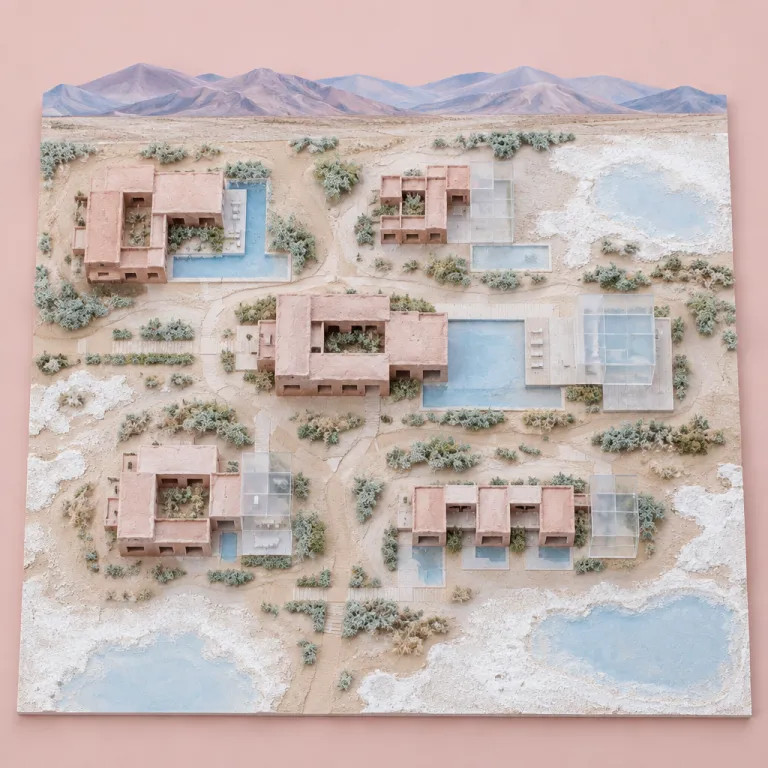
The altiplano brief: light, altitude and the new bolivia hotel architecture altiplano design
High on the Bolivian altiplano, architecture starts with air and light. The new bolivia hotel architecture altiplano design language accepts that thin atmosphere, fierce sun and icy nights will shape every wall and every window. For travelers choosing a luxury hotel in Bolivia, understanding this context explains why a room feels different at 3 600 elevation feet than at sea level.
Across bolivia, from La Paz to the salar uyuni region, architects work with extreme contrasts between day and night temperatures. The best hotel projects use thick adobe or carved salt blocks as thermal mass, then layer glass to frame views of each mountain and the endless salt flats. This bolivia hotel architecture altiplano design approach is not cosmetic ; it is a climate strategy that quietly protects your sleep and your skin.
On the Uyuni salt flat, where the largest salt expanse on earth stretches like a frozen sea, a lodge or mountain lodge must handle glare as carefully as cold. Designers now specify deep overhangs, shaded courtyards and narrow circulation corridors that compress space before releasing guests into wide open flats. When you book a uyuni lodge or a lodge bolivia property on myboliviastay.com, look for floor plans that balance generous glazing with sheltered corners, because that is where you will actually read, work or sip a drink.
Glass, views and urban altitude: La Paz as a design laboratory
La Paz has become the testing ground for bolivia hotel architecture altiplano design in a vertical city. Here, glass is not just a façade material ; it is a device for framing Illimani, the valley and the cable car lines that float above the streets. In the best luxury hotel projects, every room is oriented so that the city’s drama becomes part of the stay rather than a backdrop.
Atix Hotel in the Zona Sur district signaled that bolivian hospitality was ready to join the global design conversation. As part of the Design Hotels network, Atix uses contemporary architecture and curated bolivian art to connect guests with the landscape without resorting to clichés. If you want a deeper look at this property’s concept, our dedicated review of this La Paz design hotel address explains how its volumes, glazing and materials work together to create a genuinely urban mountain lodge atmosphere.
For business leisure travelers extending a work trip, La Paz hotels now offer rooms that double as quiet offices by day and elevated lounges by night. Floor to ceiling windows capture the changing light on the surrounding mountain slopes, while careful acoustic design keeps the city’s energy at bay. When you compare hotel options, pay attention to how each property describes its architecture and not just its amenities, because the right bolivia hotel architecture altiplano design will shape how rested and focused you feel between meetings.
Salt, adobe and the salar: architecture on the Uyuni flats
Out on the salar uyuni, architecture becomes almost abstract against the white horizon. Here, bolivia hotel architecture altiplano design is defined by salt, sky and the dark outline of the tunupa volcano rising beyond the flats. Every uyuni lodge must negotiate that emptiness, deciding how much to blend into the salt flat and how much to stand apart as a landmark.
Properties built from salt blocks, sometimes called salt hotels, turn the uyuni salt itself into structure, furniture and even art. Walls, beds and communal tables carved from the largest salt resource in the region create a tactile link between your room and the landscape outside. When you walk barefoot across a salt floor after a day on the salt flats, you feel how bolivian builders have translated geology into hospitality.
Newer concepts such as kachi lodge and the wider kachi camp on the edge of the salar uyuni experiment with lightweight structures that barely touch the ground. These domed rooms and shared spaces use transparent panels to frame the tunupa volcano, nearby rock formations and the islands discover scattered across the salar like stranded hills. If you are comparing amazing escapes across chile bolivia itineraries, note how each lodge offers different ways to experience the salt flat at night, from stargazing platforms to heated domes that let you watch the Milky Way without leaving your duvet.
Explora and the high desert circuit: from atacama to lodge bolivia
For many travelers, the story of bolivia hotel architecture altiplano design is part of a larger high desert journey. The circuit linking explora atacama in Chile with explora uyuni and other lodge bolivia properties has created a new standard for design led mountain lodge experiences. These itineraries move guests across borders, from red rock formations to blinding salt flats, while keeping a consistent architectural language of clarity and restraint.
Explora’s properties in chile bolivia routes typically use low slung volumes, thick walls and carefully placed windows to frame each mountain or valley. At explora uyuni, architecture responds to both the salar uyuni and nearby features such as chituca mountain and ramaditas mountain, integrating local stone and wood with contemporary lines. The result is a series of rooms and lounges where every opening feels intentional, whether it captures the first light on a salt flat or the last glow behind a distant ridge.
When you evaluate lodge offers along this corridor, look beyond the headline images of 4x4s on the salt flats. Study how each lodge or mountain lodge describes its circulation, its courtyards and its relationship to the wind, because those details will determine how comfortable you feel at high elevation feet. On myboliviastay.com, we highlight properties where architecture, guiding and service align, so that your amazing escapes feel coherent from the first glass walled lobby to the final sunrise over the salar.
Indoor outdoor life at altitude: how design shapes your stay
Living between adobe, glass and sky at altitude is not only about aesthetics. The most successful bolivia hotel architecture altiplano design projects choreograph how you move between inside and outside, protecting you from cold winds while keeping you close to the natural drama. That choreography matters whether you are stepping from a spa to a terrace in La Paz or from a heated dome to the salt flats before dawn.
On the altiplano, terraces and courtyards must be carefully oriented to capture sun and block prevailing winds from each mountain range. Many bolivian hotels now use semi enclosed patios, low walls and layered glazing so that guests can sit outdoors with a coffee while still shielded from the harshest air. If you are planning meetings or remote work sessions, look for a room or lounge that offers both a sheltered view and a comfortable desk, because that combination will turn a short stay into a productive retreat.
Architecture also shapes how you experience local culture, from curated bolivian art collections in urban hotels to traditional textiles used as acoustic panels in remote lodges. Between site visits, you might want to explore La Paz’s creative side through its cafés and galleries ; our guide to the city’s specialty coffee scene at third wave coffee at 3 600 meters pairs naturally with a stay in a design forward hotel. In every case, the right bolivia hotel architecture altiplano design will quietly support your rhythms, from jet lagged early mornings to late night strategy calls, while keeping the altiplano’s vastness just beyond the glass.
How to choose an altiplano design hotel for business leisure travel
Selecting a luxury hotel in bolivia is ultimately a strategic decision for business leisure travelers. You are not only booking a room ; you are choosing an architecture that will frame your meetings, your rest and your time off. The most rewarding bolivia hotel architecture altiplano design properties understand this and design every space around those overlapping needs.
Start by mapping your itinerary between La Paz, the salar uyuni region and any side trips to chile bolivia border areas. If you plan to combine explora uyuni, kachi lodge or another uyuni lodge with urban meetings, prioritize hotels that offer strong Wi Fi, ergonomic workspaces and quiet zones alongside their dramatic views. Then look at how each lodge or hotel uses materials such as salt, adobe and stone to connect you with the natural environment without sacrificing comfort.
Pay attention to details like window orientation, blackout systems and thermal performance, because they will determine how well you sleep at high elevation feet. Ask how many rooms face the salt flat or a specific mountain, and whether shared spaces remain comfortable after dark when temperatures drop sharply. When architecture, service and landscape align, your stay becomes more than a series of amazing escapes ; it becomes a coherent narrative of adobe, glass and sky that you will carry long after you leave the altiplano.
FAQ: architecture and design in Bolivia’s altiplano hotels
What makes bolivia hotel architecture altiplano design different from other mountain destinations ?
Altiplano hotels in bolivia operate at higher elevation feet than many Alpine or Rocky Mountain resorts, so architecture must address thinner air, stronger UV light and sharper temperature swings. Designers use thick walls, compact circulation and carefully oriented glazing to manage heat gain and loss while still framing views of the salt flats and surrounding mountain ranges. This combination of climatic engineering and landscape driven design gives bolivian properties a distinct spatial character.
Are salt hotels on the salar uyuni structurally safe and comfortable ?
Well established salt hotels on the salar uyuni use engineered salt blocks that are regularly maintained and replaced as needed. These structures often combine salt with conventional foundations, waterproof membranes and modern services to ensure stability and comfort. When you book, look for properties with a track record of operation and clear information about construction methods, rather than temporary or improvised buildings on the salt flat.
How should business travelers evaluate design when choosing a hotel in La Paz ?
Business travelers should assess how a hotel’s architecture supports both work and rest at altitude. Key factors include natural light levels in rooms, acoustic insulation from street noise, availability of quiet lounges and the ergonomics of in room workspaces. Properties that integrate bolivian art and materials while maintaining strong technical infrastructure tend to offer the best balance for business leisure stays.
Is it worth combining explora uyuni, kachi lodge and other remote lodges in one trip ?
Combining explora uyuni, kachi lodge and other uyuni lodge options creates a layered understanding of the salar uyuni and surrounding high desert. Each lodge offers a different architectural response to the salt flats, nearby rock formations and volcanic landscapes, from domed structures to low slung stone volumes. For travelers with enough time, this variety can turn a single destination into a rich study of bolivia hotel architecture altiplano design.
Can altiplano design hotels accommodate travelers sensitive to altitude ?
Many luxury hotels and lodges in bolivia are increasingly attentive to guests who are sensitive to altitude. Architectural features such as oxygen enriched rooms, controlled stair heights, efficient elevators and sheltered indoor outdoor spaces help reduce physical strain. When booking, ask specifically about altitude mitigation measures and request rooms that minimize long climbs or exposure to cold night air between key areas.
Sources
Lonely Planet Bolivia travel guide ; National Geographic Travel ; Architectural Digest.