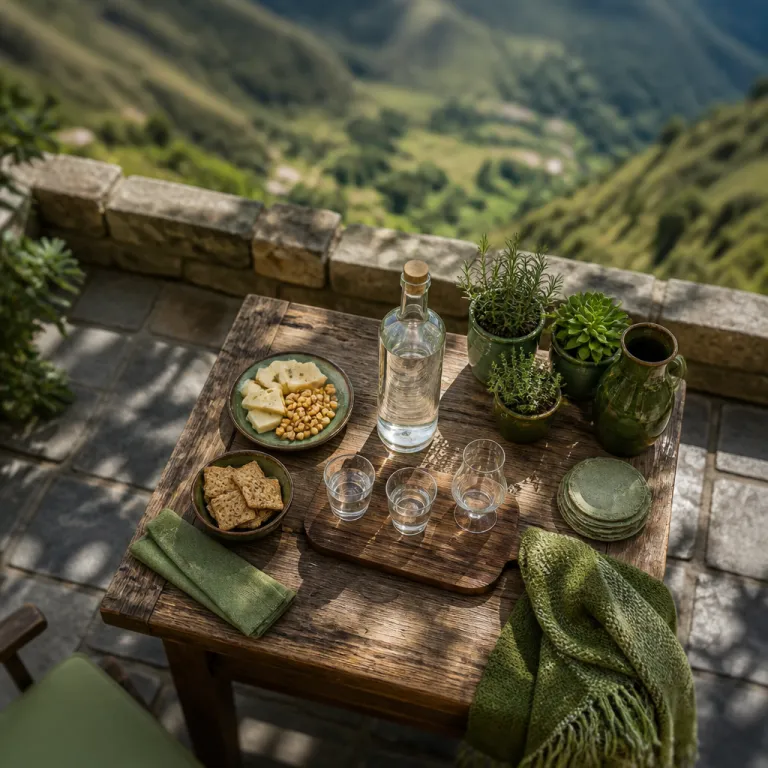
Why altitude wine belongs on every luxury Bolivia itinerary
Singani and high altitude wine shape a very different Bolivia. In Tarija Bolivia the vineyards sit between 1,800 and 2,600 meters, so every wine tasting feels like a quiet expedition into thin air and intense light. For luxury travelers, weaving singani Bolivia altitude wine Tarija tasting into a hotel focused journey turns a simple stay into a story you will keep retelling.
Bolivian wine exists because vines learned to survive where oxygen thins and ultraviolet light sharpens, and that high altitude creates a mineral edge and lifted aromatics you rarely meet elsewhere in South America. This wine country is compact enough that a two day detour from La Paz or Uyuni lets you visit Tarija, sleep well, and still return to your salar or city plans without rushing. When you plan a tour here, think of wineries as cultural salons where Spanish colonial history, local Quechua and Guaraní traditions, and modern design quietly share the same glass.
Luxury hotels across Bolivia now treat singani and Tarija wine as signature amenities, not afterthoughts. A serious property in La Paz will curate bolivian wines by producer and altitude, then pair them with local dishes like llama carpaccio or quinoa risotto to show how altitude wine behaves at the table. When you book through a premium platform such as myboliviastay.com, you are not only choosing a room ; you are choosing which wine region narrative will frame your evenings.
Tarija’s hidden wine region and where to stay in style
Tarija feels like a soft landing after the stark altiplano, with green vineyards folding around the Valle de la Concepción. The city itself sits at a relatively gentle high altitude for Bolivia, yet the surrounding vineyard slopes quickly climb, so a short drive takes you from shaded plazas to rows of grapes that opens window like a balcony over South America. For travelers used to Argentina’s famous wine tours, Tarija wine country feels more intimate, more local, and far less scripted.
Base yourself in an elegant casa style hotel near the central plaza, where Spanish tiled courtyards and shaded galleries keep the heat at bay. From here, a private driver can reach most wineries within 30 to 40 minutes, allowing you to design either a relaxed half day tasting or a full day circuit that still returns you to the pool before sunset. Look for properties that partner directly with Campos Solana, Aranjuez, or other bolivian wine producers, because these alliances often unlock after hours barrel rooms and library wines rarely poured for standard wine tours.
Hidden gems sit just beyond the usual tarija wine stops. A restored casa vieja on a hillside vineyard might offer only a handful of suites, yet its terrace becomes the perfect stage for a guided wine singani session under clear southern skies. When you visit Tarija with this mindset, the line between winery and hotel blurs, and your room key effectively becomes a pass to the quieter corners of the wine region.
Inside the glass: singani, bolivian wines and altitude character
Singani is a Bolivian spirit distilled from Muscat of Alexandria grapes. That definition sounds simple, yet in Tarija Bolivia the reality is layered with altitude, history, and meticulous distillation. High altitude vineyards above 1,600 meters give the Muscat grapes for singani a piercing aromatic profile, so every tasting feels like walking through a citrus grove at dusk.
“Why are Bolivian wines unique? They are produced at high altitudes, enhancing flavor complexity.” This altitude wine effect shows clearly in bolivian wines from producers such as Campos Solana, where intense sunlight thickens skins and concentrates tannins while cool nights preserve acidity. When you line up a structured wine tasting at a serious winery, ask to compare the same grape from different vineyard heights to feel how a few hundred meters can shift texture and length.
Casa Real, better known internationally for its singani, also anchors the local spirits scene with polished visitor experiences. A guided tour through its distillation rooms reveals how careful loading of stills and slow cuts create a spirit clean enough for sipping, not only cocktails. Many luxury hotels now feature dedicated wine singani menus, pairing bolivian wine flights with neat pours of singani so guests can trace the journey from vineyard to still in a single evening.
Designing a singani Bolivia altitude wine Tarija tasting escape
Think of Tarija as the soft center of a wider Bolivian itinerary that might also include La Paz, Sucre, and the Salar de Uyuni. A one hour flight from La Paz drops you into tarija bolivia by late morning, leaving enough day light for a first relaxed visit to a nearby vineyard and a casual tasting before dinner. Many travelers pair a two day Tarija stay with a night in a salt hotel near Uyuni, using a curated platform such as Salar de Uyuni hotels for every season to keep the luxury level consistent across regions.
For a focused wine country immersion, plan one full day for Valle de la Concepción and one half day for urban wineries and distilleries. Morning visits work best for wine tours at Campos Solana or Bodega Sausini, when temperatures are cooler and vineyard walks feel pleasant rather than punishing. Afternoons can then shift to shaded patios at a casa or to a rooftop bar back in town, where a sommelier guides you through tarija wine flights and singani cocktails as the city lights rise.
Solo travelers often prefer private drivers rather than group shuttles, especially when moving between multiple wineries and remote vineyard casas. This approach lets you linger where the atmosphere feels right, whether that is a rustic casa vieja with homemade cheese boards or a polished urban tasting room with Spanish language jazz in the background. Always confirm in advance that your hotel concierge or booking platform can coordinate transport, reservations, and any special dietary needs around your planned wine tasting schedule.
From La Paz rooftops to Tarija vineyards: where hotels elevate the glass
Altitude wine in Bolivia is not confined to Tarija ; it quietly shapes the beverage programs of the country’s best hotels. In La Paz, properties such as Atix Hotel and restaurants like Gustu treat bolivian wines and singani as central characters, not supporting roles. Their sommeliers curate lists that move from crisp high altitude whites to structured reds, then finish with neat pours of Casa Real or other singani producers in carefully chilled glasses.
Many luxury hotels now offer themed evenings that bring Tarija wine country into the city, pairing multi course menus with bolivian wine flights and guided commentary. A typical night might begin with a light altitude wine from Campos Solana, move through a deeper tarija wine from another winery, then close with a dessert course built around a singani based cocktail. For guests who cannot visit Tarija, these events provide a condensed singani Bolivia altitude wine Tarija tasting experience without leaving the capital.
In Tarija itself, smaller casas near the historic San Roque district often surprise with serious cellars. One might partner with Bodega Sausini for exclusive releases, while another works closely with a family vineyard in the nearby wine region to host intimate wine tours for only a few rooms at a time. When you choose your stay through a specialist platform, look for notes about in house wine tasting programs, rooftop bars, or private vineyard access, because these details quietly separate a pleasant hotel from a truly memorable wine focused retreat.
FAQ
What is Singani and how is it different from wine?
Singani is a Bolivian spirit distilled from Muscat of Alexandria grapes grown at high altitude, usually above 1,600 meters. Unlike wine, which ferments grape juice into a lower alcohol beverage, singani is distilled into a clear spirit with a higher alcohol content and intense aromatics. In Tarija Bolivia you can often taste both bolivian wine and singani side by side during a guided tour.
Why are Tarija’s high altitude wines considered unique?
Tarija’s vineyards sit among some of the highest commercial plantings in South America, often between 1,800 and 2,600 meters. Strong ultraviolet light and cool nights create grapes with concentrated flavors, firm tannins, and bright acidity, giving altitude wine from this region a distinctive mineral and aromatic profile. Many visitors notice that tarija wine feels both powerful and fresh, even in richer styles.
How can I arrange wine tours and tastings in Tarija?
You can book wine tours through local operators, directly with wineries, or via your hotel or a specialized booking website. Most visitors choose either a full day circuit of several vineyards in the Valle de la Concepción or a half day visit focused on one major winery and one smaller vineyard. It is wise to reserve tastings in advance, especially at popular producers such as Campos Solana, Casa Real, or Bodega Sausini.
Is Tarija a good detour on a La Paz and Uyuni itinerary?
Tarija works very well as a two day detour between La Paz and the Salar de Uyuni for travelers interested in food and wine. A short flight connects La Paz with Tarija, and another flight or overland route can then link you onward to Uyuni for salt flat experiences. This combination lets you pair high altitude wine and singani tastings with dramatic landscapes and luxury salt hotels in a single trip.
Do I need to worry about altitude when visiting Tarija’s vineyards?
Tarija sits lower than La Paz, so many travelers actually feel some relief when they arrive from the higher altiplano. However, vineyard visits can still reach elevations above 2,000 meters, so you should stay hydrated, avoid overexertion during the first day, and moderate alcohol intake during tastings. Booking a comfortable hotel with good rest areas and flexible tour timings helps your body adjust while you enjoy the region’s wines.