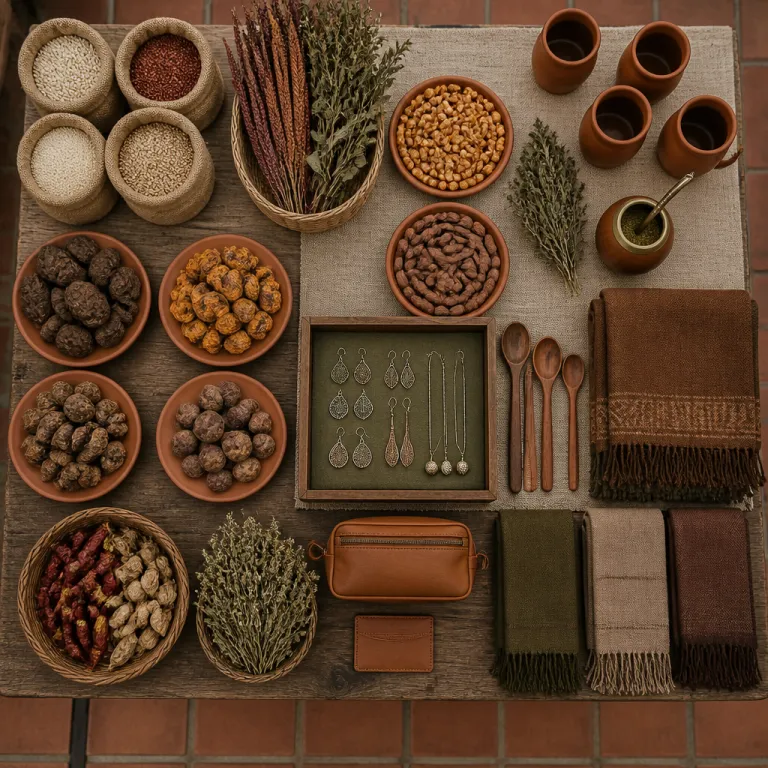
The market halls behind La Paz’s finest dining rooms
La Paz is the rare city where luxury tasting menus begin in crowded market aisles. Any serious bolivia food market La Paz guide must start with the link between chefs and producers, because the best kitchens in Paz Bolivia shop beside you at dawn. In this high altitude capital, you will find that the same local women selling herbs and grains supply the most refined dining rooms in South America.
Restaurants such as Gustu in La Paz, Bolivia, build menus around Andean potatoes, Amazonian fruits and Altiplano grains sourced directly from the market. When you visit Paz as a food focused traveler, you step into the same supply chain, walking from stall to stall instead of from course to course in a dining room. This is where you will find the best raw food materials in the city, long before they reach a plate dressed with sauces and wine pairings.
Think of each market as a backstage pass to Bolivian gastronomy, not just a place to buy snacks. A thoughtful Bolivia travel itinerary pairs a tasting menu one night with an early morning tour of the same producers the next day. If you book tour experiences with serious guides, they will explain how chefs choose specific varieties of quinoa, ají peppers and native tubers for different dishes.
La Paz’s cable cars glide silently above the city, and from those cabins you can trace the route from Zona Sur restaurants to central market halls. Use the cable car network as your orientation tool, then descend into the streets where the real food decisions are made. A refined bolivia food market La Paz guide always connects what you see from the air with what you taste on the ground.
For travelers planning wider Bolivia travel, these markets also preview ingredients you will meet elsewhere, from Lake Titicaca trout to Amazonian cacao. Time spent in the markets of Paz Bolivia will make every later meal in the country more legible and more rewarding. You will find that understanding the markets turns a simple restaurant reservation into a deeper culinary narrative.
Reading La Paz’s markets like a chef
Walk into any central market in La Paz, Bolivia, and the first impression is abundance. To turn that chaos into a curated experience, you need to move through the halls with the calm focus of a chef on a buying round. A serious bolivia food market La Paz guide teaches you to read color, texture and smell, not just prices on handwritten signs.
Start with the Andean tubers, because they are the backbone of Bolivian food culture and the clearest window into local agriculture. You will find dozens of native potatoes, oca and papalisa laid out in careful pyramids, each variety suited to a different preparation in both home kitchens and fine restaurants. Ask a local vendor which ones they send to high end dining rooms in Zona Sur, and you will find that their answers map directly onto the menus you see at dinner.
Move next to the grain stalls, where sacks of quinoa, cañahua and amaranth form a muted, elegant palette. This is where a luxury traveler can quietly assemble a pantry that travels well, choosing grains that slip easily into a suitcase and later into a home kitchen. Any thoughtful Bolivia tips list for food lovers will highlight these grains as the most practical, high quality souvenirs from Paz Bolivia.
Fruit sections reveal the country’s vertical geography in a single glance, from highland tumbo to lowland copoazú. When you visit Paz and its markets with a guide, they will explain which fruits come from the Yungas valleys and which travel from deeper Amazonian regions. Those same fruits appear in tasting menu desserts and in the better hotel breakfast buffets across the city.
Do not ignore the herb and ají pepper stands, because they are where you will find the soul of Bolivian seasoning. Here you will find fresh and dried ají amarillo, ají colorado and rarer regional varieties that define the character of local stews and sauces. For a deeper cultural layer between tastings, pair your market morning with an afternoon walking tour through La Paz’s street art scene, which reveals how food, politics and identity share the same streets.
Street food, safety and luxury standards in the markets
La Paz’s markets are also the city’s most compelling street food corridors, and they reward a careful, selective approach. A refined bolivia food market La Paz guide does not send you to the first sizzling grill you see, but helps you choose stalls that meet the hygiene standards you expect from a luxury hotel. With a little structure, you can eat like a local without sacrificing comfort or safety.
Begin with the salteña, the iconic Bolivian baked empanada filled with rich, slightly sweet stew. You will find salteñas in both humble market corners and polished cafés in Zona Sur, and the best versions share the same traits, including a glossy crust, generous filling and a clean, busy counter. Many travelers say that the salteña is the world’s best empanada, and tasting one fresh from a market oven is a highlight of any Bolivia travel itinerary.
When exploring street food inside a market, look for high turnover, visible handwashing and food cooked to order. A good guide will steer you toward stalls where ingredients move quickly and where you can watch every step of preparation, from chopping to plating. This is especially important at altitude, where your body may already be adjusting and where cautious choices help you avoid confusing mild altitude sickness with a food related issue.
Some travelers prefer to book tour experiences that combine market visits with sit down tastings in nearby restaurants. This hybrid model lets you sample traditional dishes such as caldo de cardán or api with pastel in controlled environments, then return to your luxury hotel for rest. It is a rhythm that suits couples who want to balance culinary curiosity with the restorative comforts of high end hospitality.
If your journey continues beyond La Paz, consider how these market lessons apply in other Bolivian cities. A refined city guide for Santa Cruz de la Sierra will point you toward tropical markets where fruit and seafood dominate instead of tubers and grains. Across South America, few countries offer such a sharp contrast between highland and lowland food markets within a single trip.
Planning your market day: routes, etiquette and logistics
For luxury travelers, the difference between a chaotic market visit and a memorable one lies in planning. Treat your market day in La Paz, Bolivia, with the same care you would give to a wine tasting itinerary in another country. That means thinking about time of day, transport, etiquette and how the experience fits into your wider Bolivia travel route.
Arrive early, ideally between sunrise and late morning, when produce is freshest and vendors have time to talk. You will find that the atmosphere is calmer, the light is softer for photography and the best food has not yet sold out. This timing also lets you retreat to your hotel or a quiet café in Zona Sur before the city’s midday traffic and sun become intense at altitude.
Use the cable car system as both transport and sightseeing, gliding between neighborhoods while watching the city unfold beneath you. The cable cars link El Alto with central La Paz and Zona Sur, turning what could be a stressful car journey into a serene aerial tour. From above, you can trace routes between market districts, plazas such as Plaza Murillo and cultural streets like Calle Jaén, then descend exactly where you want to walk.
Etiquette matters, because these markets are workplaces, not film sets or theme parks. Always ask before taking close up portraits, especially of women in traditional dress, and be prepared for a polite refusal, which you should respect without argument. Keep small bills ready, avoid blocking narrow aisles and remember that a warm greeting in Spanish goes further than any camera or credit card.
For couples planning a longer journey across Bolivia, consider how a market day fits into a broader luxury adventure corridor. Routes that link La Paz with destinations such as Uyuni or the Amazon can be structured around both landscapes and food experiences, as outlined in this mapping of Bolivia’s luxury adventure corridor. In this way, a single market morning in Paz Bolivia becomes the prologue to a journey that connects salt flats, jungle lodges and lakeside retreats.
From market stall to hotel suite: bringing Bolivia’s flavors home
One of the quiet pleasures of a market focused stay in La Paz is curating what you will take home. A thoughtful bolivia food market La Paz guide distinguishes between ingredients that travel well and those that should be enjoyed only in situ. This is where luxury travelers can turn a morning of browsing into a long lasting extension of their trip.
Dry goods are your best allies, especially high quality quinoa, cañahua flour and specialty salts from the Altiplano. You will find these in neatly labeled bags at market stalls and, increasingly, in small gourmet shops in Zona Sur that work directly with producers. Packed carefully, they slip into luggage without fuss and later anchor home cooked dishes that recall meals from Paz Bolivia.
Spices and ají peppers are another smart category, offering intense flavor with minimal weight. Look for dried ají amarillo, ají colorado and blends used for traditional Bolivian stews, asking vendors to explain how each is used in local food. Many luxury hotels in the city are happy to help you label and pack these purchases, especially if you ask at the concierge desk with some advance notice.
Liquid products require more care, but they can be rewarding for travelers who enjoy thoughtful aperitifs. While you may not always find Singani itself in the market, you will find citrus, herbs and infusions that pair beautifully with this Bolivian spirit in cocktails back home. Check customs regulations before you buy, and remember that your hotel minibar glass can double as a tasting vessel while you decide what is worth the luggage space.
Fresh fruit, cheeses and meats are best enjoyed during your stay, ideally in your suite or at a picnic arranged by your hotel. Ask the concierge to coordinate a simple tasting board sourced from the market, then served with proper glassware and linens in your room or on a terrace. This is where the raw energy of the market meets the calm precision of luxury hospitality, turning everyday ingredients into a private dining experience.
Markets within the city: neighborhoods, culture and nearby highlights
La Paz is not defined by a single market hall but by a constellation of food focused neighborhoods. A sophisticated bolivia food market La Paz guide treats the city as a series of edible districts, each with its own rhythm and nearby cultural landmarks. Moving between them reveals how food, faith and politics share the same streets.
Near Plaza Murillo and the historic center, you will find compact markets and street food corridors that serve office workers and visitors alike. These areas sit close to churches such as San Francisco and to museums along Calle Jaén, making them ideal for pairing a cultural morning with a casual lunch. You will find that even simple plates of soup or grilled meats here carry the same Bolivian flavors that appear in more elaborate form in fine dining rooms.
Climb toward El Alto using the cable cars, and the scale of commerce expands dramatically. Up here, markets spill into the streets, and the air feels thinner, reminding you of the altitude that shapes both agriculture and appetite. Many travelers report mild altitude sickness on this ascent, so plan shorter visits, drink coca tea and let your body set the pace rather than your itinerary.
Back down in Zona Sur, the mood shifts to a more polished, residential calm, with smaller markets and gourmet shops catering to an affluent local clientele. This is where you will find products packaged for export, from carefully sealed grains to elegant chocolate bars that reference Lake Titicaca, Valle de la Luna and other Bolivian landscapes. For couples staying in high end hotels here, a short walk to these shops can be as rewarding as a longer journey into the city center.
Across all these districts, remember that markets are living institutions, not static attractions. Stalls change, vendors move and new specialties appear with the seasons, which is why returning to La Paz, Bolivia, always reveals new layers of taste and texture. Treat each visit as a fresh conversation with the city, and the markets will continue to reward your curiosity and care.
FAQ
Is it safe for luxury travelers to eat in La Paz’s markets ?
Yes, it can be safe if you choose stalls carefully and follow basic hygiene rules. Look for busy vendors with high turnover, food cooked to order and visible cleanliness at the counter. Many travelers also prefer to visit with a trusted guide who knows which stalls consistently meet higher standards.
What is the best time of day to visit La Paz’s markets ?
Early morning is ideal, typically from sunrise through late morning. Produce is freshest, vendors have more time to talk and the crowds are thinner, which suits a more relaxed, observant visit. This timing also helps you avoid the strongest sun and gives you space to manage any effects of the altitude.
Which market products are easiest to bring home on an international flight ?
Dry goods travel best, especially quinoa, cañahua, specialty salts and dried ají peppers. These items are light, non perishable and usually pass easily through customs when properly labeled. Always check your home country’s regulations before packing any food products.
Do I need a guide to enjoy La Paz’s food markets ?
A guide is not strictly necessary, but it significantly enriches the experience for most visitors. Knowledgeable guides can explain ingredients, negotiate language barriers and steer you toward safer street food options. For luxury travelers, a private or small group tour often offers the best balance of insight and comfort.
How should I manage altitude sickness while exploring the markets ?
Plan gentle days at the start of your stay, drink plenty of water and avoid heavy meals or alcohol until you know how your body reacts. Move slowly in the markets, take breaks in cafés and use the cable cars instead of steep walks when possible. If symptoms feel severe, return to your hotel, rest and consult medical staff or your concierge for further advice.