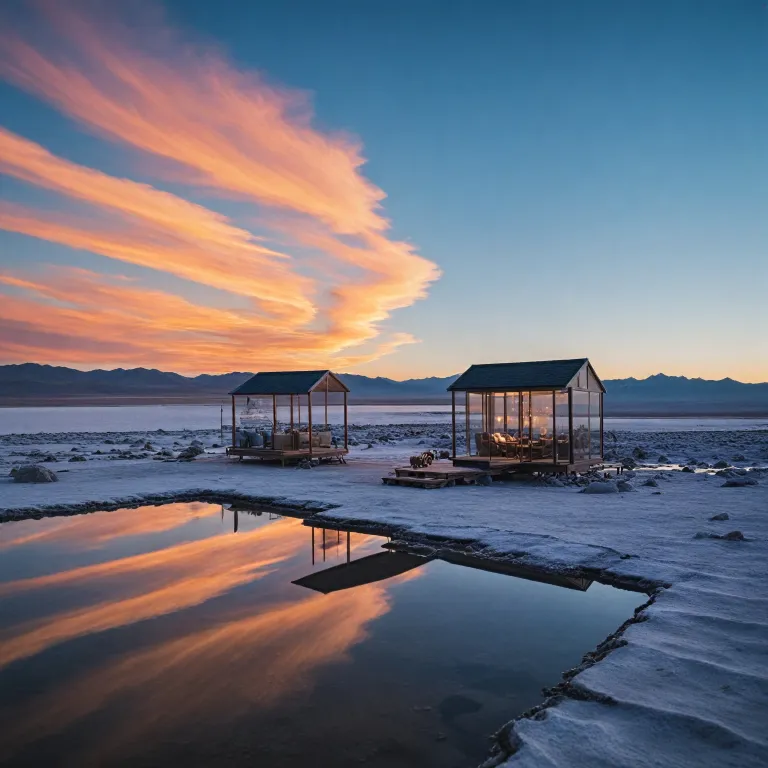
Luxury perspectives on the Uyuni salt flats in Bolivia
The Uyuni salt flats in Bolivia attract travelers who expect both comfort and authenticity. Luxury guests want a hotel that frames the salar like a private gallery, while still feeling connected to local communities and their traditions. A refined stay here should balance high design, discreet service, and meaningful access to the desert landscape.
The Uyuni salt flat, also known as Salar de Uyuni, stretches over more than 10 000 square kilometres of pure white salt. At over 3 600 metres above sea level, this high plateau demands careful planning of every trip, especially for guests sensitive to high altitude. For premium hotels and salt hotel properties around Uyuni Bolivia, this context shapes everything from architecture to wellness offerings.
Luxury travelers often arrive after a long day tour from La Paz or a multi days nights itinerary linking San Pedro de Atacama and the Bolivian altiplano. They expect their hotel to provide clear info Uyuni about the salar, the lake systems, and the desert ecosystems they are crossing. A knowledgeable guide team becomes as important as thread count or spa menus.
For many guests, the first view of the salt flats at sunrise is the emotional highlight of their entire trip. The vast flat surface, sometimes covered by a thin layer of water, creates a surreal horizon that feels almost like an endless lake of light. Luxury hotels that understand this design their private terraces, lounges, and suites to frame the salar Uyuni panorama at the right time of day.
Because the Uyuni salt environment is fragile, discerning travelers increasingly ask how their flats tours impact the desert. High end properties now work with local communities involved in salt extraction to ensure that each tour salar respects both the land and traditional livelihoods. This alignment between comfort, ethics, and landscape is redefining what premium hospitality means in Bolivia.
Choosing the right luxury hotel near the salar Uyuni
Selecting a luxury hotel near the Uyuni salt flats in Bolivia is less about marble lobbies and more about intelligent location. Some properties sit directly on the edge of the salt flat, while others are set slightly back in villages like Colchani to protect the environment. The choice between a salt hotel built from blocks of salt and a more conventional high comfort lodge will shape your entire stay.
Iconic addresses such as Palacio de Sal offer the experience of sleeping in a structure made largely from salt, yet with premium bedding, heating, and curated lighting. These hotels understand that guests want both the tactile sensation of salt walls and the reassurance of modern amenities after a demanding day on the flats. When evaluating options, look for clear information about insulation, humidity control, and how the property manages the long dry season and the intense rainy season.
Room categories matter greatly at this altitude, because rest is one of the best protections against altitude sickness. Suites with oxygen enrichment, humidifiers, and large windows facing the salar Uyuni can significantly improve comfort at high altitude. Ask whether your hotel offers medical support, herbal infusions, or gentle acclimatisation programs during the first day and night.
Service style is another key differentiator between premium hotels around Uyuni Bolivia. The best properties assign a dedicated guide or concierge who coordinates every flats tour, private transfer, and meal time around the changing light on the salt flat. This personalised approach allows you to adapt your day tour or multi day tours to your energy levels and the weather.
Finally, consider how each hotel integrates local culture and the story of the salt itself. Properties that collaborate with artisans, support responsible salt extraction, and share transparent info Uyuni about lithium and resource management tend to offer richer experiences. For an in depth look at high end stays, many travelers consult specialised resources such as Bolivia Uyuni hotel experiences with luxury salt stays before finalising their booking.
Designing a refined itinerary around the Uyuni salt flats
A luxury focused itinerary around the Uyuni salt flats in Bolivia should respect both the body and the landscape. Most high end travelers choose at least two or three days nights in the region, allowing time to adjust to high altitude and to explore different sectors of the salar. Compressing everything into a single day tour often leads to fatigue and missed moments of quiet beauty.
On the first day, many guests arrive from La Paz or San Pedro de Atacama and settle into their hotel for gentle acclimatisation. Light walks near the salt flat edge, hydrating teas, and slow paced briefings with your guide help reduce the risk of altitude sickness. This is also the ideal time to review your planned flats tours and align expectations about photography, comfort, and timing.
The second day usually focuses on the heart of the Uyuni salt, with a carefully timed flats tour that may include Isla Incahuasi. This cactus covered island rises from the salt lake like a rocky ship, offering panoramic views over the endless white flat surface. Luxury operators often arrange private picnics here, with elegant table settings that contrast beautifully with the stark desert.
During the rainy season, itineraries adapt to the presence of water on the salt flats. Vehicles may not reach every sector, but the mirror effect created by a shallow lake of water is extraordinary for photos and reflection shots. Your guide will choose safe routes across the salt flat, balancing spectacle with respect for the fragile crust.
On a third day, some travelers extend their trip towards coloured lagoons and high desert landscapes between Uyuni Bolivia and San Pedro. These routes cross remote areas at very high altitude, where careful pacing and expert navigation are essential. Here, the combination of a skilled guide, a reliable 4x4, and a comfortable hotel at each end of the journey becomes the true definition of luxury.
Private tours, photography, and the magic of light on the salar
For many guests, the main reason to book a premium hotel near the Uyuni salt flats in Bolivia is to secure exceptional private tours. Light changes rapidly on the salar, and a flexible schedule is crucial for serious photos and cinematic experiences. High end properties work with experienced guides who understand both the desert and the expectations of discerning photographers.
Sunrise on the salt flat offers soft pastels, long shadows, and a sense of solitude that is difficult to match. A private flats tour at this time allows you to position your vehicle and tripod without crowds, capturing the first glow over the salt lake and distant volcanoes. During the day, the intense white surface and high UV levels demand careful planning of breaks, shade, and hydration.
Late afternoon and blue hour are ideal for creative photos using perspective and reflection. When a thin layer of water covers the salt flats, the surface becomes a natural mirror that doubles the sky and creates surreal compositions. Guides trained in photography know how to align the flat horizon, manage footprints in the water, and time the session to the minute.
Luxury travelers often request customised day tours that combine the salar Uyuni with nearby attractions such as Isla Incahuasi or traditional salt extraction sites. These private experiences can include gourmet picnics, sunset aperitifs, or stargazing sessions on the flat desert floor. At night, the absence of light pollution and the high altitude create exceptional conditions for astrophotography.
Throughout these experiences, safety and comfort remain paramount, especially for guests new to high altitude environments. Vehicles carry oxygen, warm layers, and communication equipment, while hotels coordinate check in times around long excursions. By integrating expert guiding, thoughtful logistics, and refined hospitality, premium properties transform a simple tour into a coherent, high quality journey across the Uyuni salt.
Health, comfort, and sustainability at high altitude
Staying near the Uyuni salt flats in Bolivia means embracing both the beauty and the challenges of high altitude travel. At around 3 600 metres above sea level, the region requires careful attention to hydration, pacing, and sleep. Luxury hotels that operate here design their services around these physiological realities rather than treating them as afterthoughts.
Altitude sickness can affect even experienced travelers, so responsible properties provide clear info Uyuni about symptoms and prevention. Many recommend spending a calm first day, avoiding heavy meals, and drinking plenty of water or herbal infusions. Some high end hotels offer oxygen enriched lounges or rooms, which can be particularly helpful after a long day tour on the salt flat.
Thermal comfort is another priority in a desert that swings between intense daytime sun and cold nights. Premium salt hotel properties invest in efficient heating, quality insulation, and high grade bedding to ensure restful nights. During the rainy season, they also manage humidity and protect interiors from the thin layer of water that can accumulate on the surrounding salt flats.
Sustainability has become central to the identity of luxury hospitality around the salar Uyuni. The Uyuni Salt Flat is a vast, high-altitude salt flat in Bolivia, notable for its size, lithium reserves, and unique mirror-like surface during the rainy season. Guests increasingly ask how hotels handle waste, water use, and energy in such a fragile desert and lake ecosystem.
Many properties now collaborate with local communities involved in salt extraction and tourism to ensure that flats tours respect traditional livelihoods. They limit vehicle numbers on each tour salar, avoid sensitive zones of the salt flat, and support education projects in nearby villages. This approach allows travelers to enjoy high comfort while contributing to the long term preservation of the Uyuni Bolivia environment.
Practical booking strategies for premium stays around Uyuni Bolivia
Securing the right luxury hotel for experiencing the Uyuni salt flats in Bolivia requires more than simply checking availability. Demand peaks during the rainy season, when the mirror effect attracts photographers and honeymooners from around the world. Booking several months ahead is advisable, especially for suites with the best salar Uyuni views.
When comparing options, look beyond headline photos and focus on detailed descriptions of flats tours and included services. Some hotels bundle private day tours, airport transfers, and meals into curated packages that simplify planning. Others operate on a more flexible basis, allowing you to tailor each trip with your chosen guide and vehicle.
Pay attention to how each property communicates about high altitude and health. Transparent info Uyuni about altitude sickness protocols, oxygen availability, and emergency procedures is a sign of professionalism. At this elevation, a hotel’s ability to coordinate with medical services can be as important as its spa menu or wine list.
Travelers combining Uyuni Bolivia with San Pedro de Atacama should consider logistics carefully, because border crossings and long drives across the desert can be tiring. Many premium operators design multi days nights itineraries that alternate intense exploration days with lighter schedules. This rhythm helps guests adapt to the environment while still enjoying the full drama of the salt flats, lagoons, and volcanic landscapes.
Finally, remember that the essence of luxury here lies in time, space, and thoughtful guidance rather than in excess. A well planned private flats tour at sunrise, a quiet evening in a refined salt hotel such as Palacio de Sal, and a deep night’s sleep at high altitude can feel more indulgent than any urban five star stay. With the right choices, your journey across the Uyuni salt and its surrounding desert becomes a rare blend of comfort, clarity, and awe.
Key statistics about the Uyuni salt flats
- Approximate area of the Uyuni salt flat : 10 582 km².
- Average elevation of the salar Uyuni region : about 3 656 metres above sea level.
- Estimated salt reserves within the Uyuni salt : around 10 000 000 000 tons.
- Approximate annual salt extraction from the salt flats : 25 000 tons.
- Estimated lithium reserves beneath the salt flat and surrounding area : about 11 000 000 tons.
Essential questions about visiting the Uyuni salt flats
What is the best time to visit the Uyuni salt flat ?
The best time to visit is during the rainy season from December to April, when the salt flat creates a mirror-like effect. Outside this period, the salar Uyuni is usually dry, offering easier vehicle access and classic hexagonal salt patterns. Luxury travelers often choose their season according to whether they prioritise reflections or wide open driving routes.
How was the Uyuni salt flat formed ?
It was formed from the transformation of prehistoric lakes during the Late Pleistocene period. Over time, these ancient lake systems evaporated, leaving behind thick layers of salt and minerals that now form the Uyuni salt flats in Bolivia. This geological history explains both the extraordinary flatness of the surface and the presence of significant lithium reserves beneath the crust.
Is it possible to extract lithium from the Uyuni salt flat ?
Yes, the salt flat contains significant lithium reserves, and there are ongoing discussions and plans for its extraction. The Bolivian government and local communities are working to balance economic opportunities with the need to protect the salar Uyuni environment and its tourism potential. Luxury travelers interested in sustainability often ask hotels and guides about these projects during their tours.