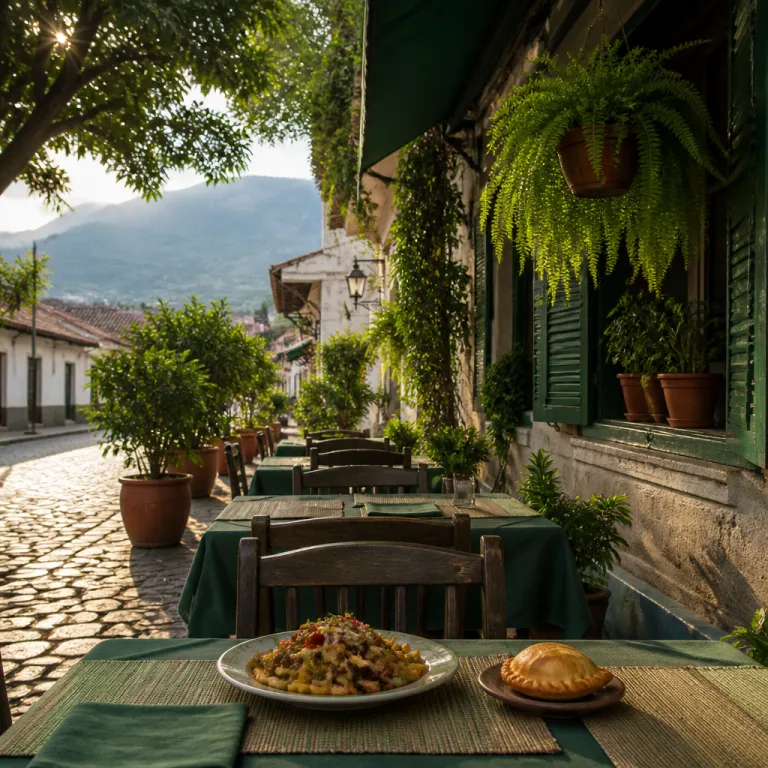
Why Cochabamba, not La Paz, is Bolivia’s true food capital
Cochabamba sits in a fertile valley at 2,558 m, warmer and more temperate than La Paz. This altitude gives the city a gentle, almost springlike climate that supports year round agriculture and a restaurant culture that feels endlessly abundant for any family that loves food. In this context, any refined guide to Cochabamba’s restaurants and Bolivia’s broader culinary story must start with the simple fact that Bolivians themselves come here to eat.
Locals from across the country, from the administrative capital in La Paz to the lowlands of Santa Cruz, speak of Cochabamba with a particular hunger. The city has earned its reputation as Bolivia’s gastronomic heart because portions are generous, flavors are bold and dining is treated as a social sport. When you plan a trip around eating your way through Bolivia, you quickly realize that Cochabamba offers the deepest bench of traditional eateries, family run kitchens and modern dining rooms in the country, a point often echoed by local food writers in regional newspapers.
The historic center concentrates many of the best restaurants in the city, while the surrounding neighborhoods hide small family run spots where every dish feels like a secret. Here, Bolivian food is not a trend but a daily ritual, from early morning street vendors selling steaming cups of purple corn api to late night grills turning out smoky skewers and deep fried snacks. Any serious itinerary for food in Bolivia should reserve at least two nights in Cochabamba, ideally at a premium hotel with a swimming pool where you can recover between feasts and let children unwind in the afternoon heat.
La Cancha and the street food circuit for luxury travelers
La Cancha market is one of the largest open air markets in Bolivia, and it can overwhelm even seasoned travel veterans. For families staying in upscale hotels in Cochabamba, the best way to approach it is with a private guide or trusted taxi driver who understands both the food and the flow of the market. This is where a thoughtful approach to Cochabamba’s street food becomes essential, because you are navigating both flavor and logistics through alleys packed with produce, textiles and sizzling grills.
Street vendors here sell everything from tucumanas and salteñas to anticuchos and api con pastel, and the food is generally safe when you choose stalls with strong turnover and visible hygiene. Local tourism offices and hotel concierges often recommend guided food tours, which align with common travel advice that dining at local restaurants, exploring street food markets and joining food focused walks are the core methods for understanding the city’s cuisine. Compared with markets in La Paz or Santa Cruz, the difference is the sheer scale and the feeling that every Bolivian dish you have ever heard of is being cooked somewhere within a few meters, filling the air with the smell of grilled meat, fried dough and fresh herbs.
Families who usually stay in design forward hostels such as the Wild Rover La Paz hostel for an upscale backpacker experience will find La Cancha a more chaotic but equally compelling chapter in their culinary journey. Here, Bolivian classics like silpancho, pique macho and picante de pollo appear in both plated and street versions, often served with rice on the side or piled underneath meat and egg. The key is to eat small dishes across several stalls, treating the market as one vast open air food court rather than committing to a single menu in a single place, and allowing everyone to taste a variety of textures, from crisp crackling pork to soft, stewed potatoes.
Signature Cochabamba dishes every family should try
Any serious guide to Cochabamba’s restaurants and Bolivia’s culinary traditions must begin with silpancho, the city’s emblematic plate. Local experts define it clearly: “What is silpancho?” “A traditional dish with breaded beef, rice, potatoes, fried egg, and salsa.” For families, it is an ideal shared dish because you can order one generous portion and let everyone build their own bite of meat, rice, potatoes and salsa, often served on a platter that covers most of a standard restaurant table.
Pique macho is another essential Bolivian food experience, a mountain of sliced beef, sausage, chips, onions and peppers that speaks to the city’s love of hearty dishes. In many traditional restaurants around the historic center, pique macho arrives on a platter designed for two but easily feeds a small family, especially when younger children are more interested in the fries than the meat. Chicharrón cochabambino, often deep fried to a perfect crackle, offers a different texture profile and pairs beautifully with a glass of Bolivian wine or a local beer, with prices in mid range restaurants typically starting around 60–80 BOB for a portion large enough to share.
Families traveling across Bolivia from Sucre’s white city to Santa Cruz’s tropical heat often comment that Cochabamba’s menus feel the most generous and the most relaxed. When you plan where to stay in Sucre using a dedicated white city hotel guide, it is worth aligning dates so that you can connect onward to Cochabamba for a dedicated food stop. Here, every neighborhood restaurant seems to compete on portion size and warmth of service, and even small spots will happily adapt a dish for children or split plates so everyone can eat comfortably without ordering more than they can finish.
From traditional restaurants to modern dining rooms
Cochabamba’s strength lies in the way traditional restaurants coexist with contemporary dining rooms, giving families a full spectrum of experiences. On one evening, you might book a table at La Llajta Restaurante in the city for cozy dining with live piano music and a menu that leans into local flavors; it is commonly listed by residents as a reference point for classic Cochabamba cooking. The next day, you could head to La Cochabambina Restaurante, a steakhouse that plays with Latin fusion dishes while still honoring Bolivian ingredients and classic flavor combinations, often opening for lunch around midday and serving dinner until late evening.
La Tirana Y Olé and Mamma Mía Cochabamba, both operating as bar and grill concepts, offer relaxed dining where parents can enjoy a glass of wine while children share pizzas or pasta. Cafe Visual La Muelita, with its Italian leaning menu, is another useful address when younger travelers are craving something familiar after several days of heavy meat dishes. These restaurants show how the city has embraced international influences without losing its identity as the place where you eat Bolivian food in its most generous form, and local chefs frequently describe Cochabamba as “la ciudad donde se viene a comer” – the city you visit to eat.
For families who like to plan via Facebook and Instagram recommendations, many of these venues maintain active social media profiles where daily specials and live music nights are announced. When you cross reference those posts with online reviews and local food guides, you can quickly identify the best restaurants for your specific needs, whether that is a quiet early dinner or a later, more atmospheric dining experience. In every case, the city’s hospitality culture means staff will usually go out of their way to adjust a dish, split portions or suggest milder options for children, and it is common to see multi generational groups lingering over dessert and coffee.
Where to stay: pairing luxury hotels with Cochabamba’s food scene
For premium families, the right hotel in Cochabamba is not just about a comfortable bed but about strategic access to the city’s best restaurants. Many higher end properties cluster near the historic center, placing you within a short walk or quick taxi ride of key dining streets and traditional eateries. When you are building a food focused itinerary in Cochabamba, map your hotel against the places you most want to eat, from countryside style venues on the city’s edge to central chicharronerías, and check approximate taxi times with reception staff.
Properties with a swimming pool are particularly valuable in Cochabamba, because the milder climate invites midday breaks between long meals. Children can swim while adults rest, then everyone can head out again for late afternoon snacks from street vendors or an early dinner in a restaurant that local families trust. Many luxury hotels will also maintain curated lists of the best restaurants in the city, often divided into categories such as Bolivian home cooking, international menus and family friendly dining, and some front desks will call ahead to secure a table at popular spots on weekends.
If your broader Bolivia travel plan includes jungle lodges or salt flat stays, consider structuring the itinerary so that Cochabamba becomes the culinary anchor. For example, you might combine a stay here with a few nights in carefully selected Amazon lodges beyond Madidi using a dedicated hidden jungle stays guide, creating a contrast between valley dining and rainforest experiences. In every case, the city’s role as a gastronomic capital within Bolivia means it deserves its own chapter, not just a quick transit stop between La Paz and Santa Cruz, and many travelers later describe it as the most memorable food stop of their trip.
Practical planning: how to eat well and safely with family
Families often ask whether street food in Cochabamba is safe, especially when traveling with younger children. Common guidance is clear: “Is street food safe in Cochabamba?” “Generally safe; choose vendors with good hygiene practices.” That advice aligns with what local chefs and tourism boards repeat on the ground, and it should guide your choices at La Cancha and smaller neighborhood markets, where you can visually assess how food is stored and cooked.
Look for street vendors who cook food to order, keep raw ingredients covered and handle money separately from food, then start with small dishes to see how everyone feels. Many travelers find that deep fried items such as pastel or freshly grilled anticuchos are easier on the stomach than raw salads, especially early in the trip. When in doubt, you can always default to traditional restaurants that maintain strict kitchen standards while still serving classic Bolivian food, from picante de pollo to silpancho with perfectly cooked rice and potatoes, and ask staff for recommendations on milder sauces for children.
Vegetarian travelers sometimes worry that a Cochabamba focused food guide will be all meat, but local menus show otherwise: “Are there vegetarian options in Cochabamba?” “Yes, many restaurants offer vegetarian dishes.” In practice, that means you will find grilled vegetables, cheese based dishes and creative uses of quinoa and corn, especially in more contemporary dining rooms. As you move between La Paz, Sucre, Santa Cruz and Cochabamba, you will notice that this city offers some of the most flexible menus in Latin America, a reflection of both its agricultural abundance and its confident, food first culture, with many kitchens happy to adapt plates on request.
Key figures on Cochabamba’s culinary scene
- Cochabamba is widely regarded within Bolivia as a leading mid sized gastronomic destination, with a dense concentration of markets, street stalls and sit down restaurants compared with its population, according to regional tourism statistics.
- La Cancha is frequently described by locals as one of the country’s largest open air markets, covering several city blocks and taking hours to explore for food focused travelers.
- The city’s altitude of 2,558 m makes it significantly lower and warmer than La Paz, creating a more temperate climate that supports year round agriculture and consistent restaurant supply chains.
- A typical family style silpancho in a traditional restaurant in Cochabamba can easily feed two adults and one child, reflecting the city’s reputation for generous portions compared with other cities in Bolivia, and many menus explicitly label these plates as “para compartir”.
FAQ about Cochabamba’s restaurant scene
What makes Cochabamba different from La Paz for food lovers ?
Cochabamba offers a milder climate, larger portions and a more relaxed dining culture than La Paz, which tends to focus on refined, urban concepts. The valley setting around the city supports year round agriculture, so restaurants often source produce directly from nearby farms and markets. This combination of abundance and informality makes Cochabamba the place where many Bolivians themselves go to eat, especially for weekend lunches and family celebrations.
Is street food in Cochabamba safe for families with children ?
Common guidance states: “Is street food safe in Cochabamba?” “Generally safe; choose vendors with good hygiene practices.” In practical terms, that means selecting stalls with high turnover, clean equipment and food cooked to order, then starting with small dishes to see how everyone reacts. Many families balance market snacks with meals in traditional restaurants to keep both variety and comfort levels high, particularly on longer Bolivia itineraries.
Which signature dishes should I prioritize on a short visit ?
On a brief stay, focus on silpancho, pique macho and chicharrón cochabambino, as these dishes define the city’s hearty, family style approach to Bolivian food. Silpancho combines breaded beef, rice, potatoes, fried egg and salsa on one plate, while pique macho piles meat and chips into a shareable mountain. Chicharrón cochabambino, often deep fried to a crisp exterior, showcases the region’s love of pork and pairs well with local wine or beer.
Are there good vegetarian options in Cochabamba restaurants ?
Local experience confirms: “Are there vegetarian options in Cochabamba?” “Yes, many restaurants offer vegetarian dishes.” In reality, that translates into menus with grilled vegetables, cheese based plates, quinoa salads and meat free versions of some classics, especially in more modern dining rooms. When in doubt, ask staff for recommendations, as many kitchens will adapt dishes on request.
How many days should I allocate to Cochabamba on a Bolivia trip ?
For a food focused itinerary, two nights in Cochabamba is the minimum to sample key dishes, visit La Cancha and enjoy both traditional restaurants and more contemporary dining rooms. Families with a slower travel style or a strong interest in markets and cooking classes may want three nights, especially if they are also visiting La Paz, Sucre or Santa Cruz. The city’s role as a gastronomic capital within Bolivia justifies treating it as a destination in its own right rather than a simple stopover.