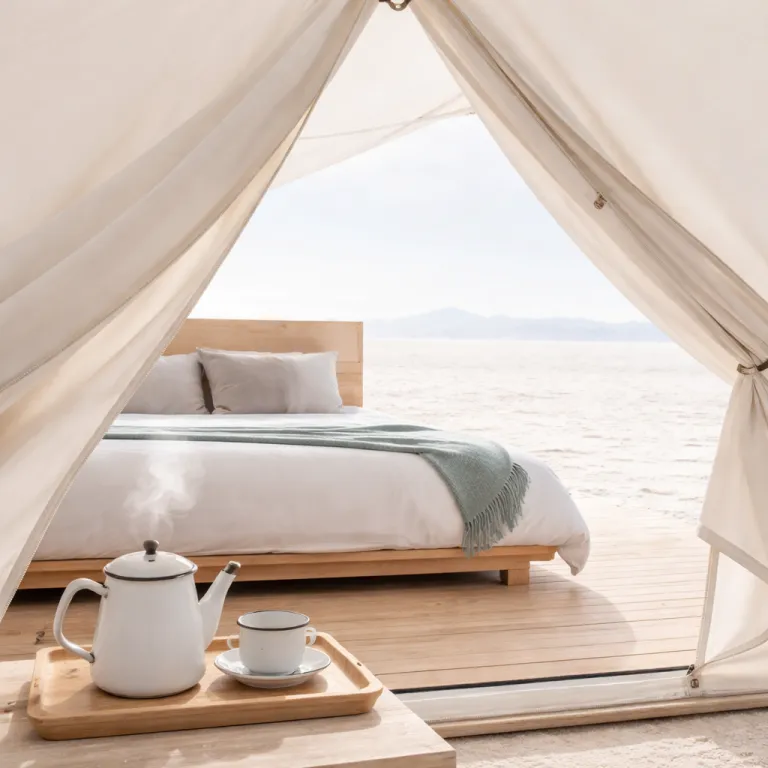
What it meant to stay at Kachi Lodge on the Uyuni salt flats
On the southern Bolivian altiplano, staying at Kachi Lodge on the Uyuni salt flats once meant sleeping inside the landscape itself. The lodge stood on the Salar de Uyuni like a lunar outpost, its white hexagons stretching for kilometres in every direction and framing each dome in a horizon of pure salt. For many luxury travellers in South America, a stay at this remote lodge in Bolivia became the benchmark for what a salt flat experience could be.
Kachi Lodge operated as a luxury eco lodge on the Uyuni salt flats from 2019 until its permanent closure in 2023, and during that time it set a new standard for immersive design and service at high altitude. Geodesic domes were raised on wooden platforms above the salt crust, so each dome camp structure felt both anchored and weightless, with the Salar de Uyuni shimmering beneath. Inside every luxury dome, guests found hotel level comforts such as a proper bed, heating, and a private bathroom with hot water, which transformed a harsh environment into a refined retreat for each night.
The project closed permanently due to economic challenges and operational difficulties in such a remote setting, according to statements shared by the operating team with specialist tour operators, and with it Bolivia lost one of its most original lodges. That closure reshaped how travellers now plan a stay near Uyuni salt, pushing attention toward other luxury hotel options on and around the salt flats. For couples planning a romantic trip, understanding what made Kachi Lodge unique will help you read between the lines when a lodge in Uyuni or a salt hotel elsewhere in Bolivia claims to offer the best experience.
The dome experience: design, night sky and life at high altitude
Each dome at Kachi Lodge was designed as a glass fronted observatory, angled toward the night sky and the distant silhouette of Tunupa volcano. During the day, the Uyuni salt flats glowed almost blue under the high altitude sun, while at night the Milky Way felt close enough to touch from your bed. For couples who chose to stay at Kachi for two or three nights, the rhythm of the Salar de Uyuni became part of daily life, from sunrise walks on the salt flat to late night stargazing sessions.
Inside, the luxury dome interiors balanced expedition style with hotel comfort, using wool textiles, sculptural lighting and thoughtful storage so the space never felt cramped. Every dome camp unit included a private bathroom with proper water pressure, a rare luxury on the salt flats where infrastructure is limited and temperatures drop sharply after dark. Heating systems were essential at this high altitude, where the temperature can fall below freezing at night even when the day feels warm and bright.
Rates at Kachi Lodge were positioned at the very top of the Bolivia market, often quoted in USD and typically packaged with a minimum stay of two or three nights including guided activities. According to sample programmes shared by high end operators while the lodge was open, a typical stay cost from around 1,800 to 2,200 USD per person for two nights with full board and excursions. Those activities ranged from hikes toward Tunupa volcano to photographic sessions on the Uyuni salt flats, always led by a local guide who understood both the terrain and the light. For travellers comparing luxury stays for experiencing the Uyuni salt flats in Bolivia, Kachi Lodge became the reference point against which every other lodge Uyuni experience was measured.
Sustainability, local partnerships and the legacy of Kachi Lodge
From the outset, Kachi Lodge positioned itself as more than a remote hotel on a salt flat in Bolivia. The project worked with local communities around Uyuni and the quinoa fields that fringe the Salar de Uyuni, aiming to channel high end travel spending into long term benefits. Hiking, stargazing and cultural tours were central to the experience, with guided walks to quinoa plots and village visits that explained how tourism, agriculture and conservation intersect on the altiplano.
The lodge’s design minimised permanent impact on the salt flats, with domes and communal spaces built on raised platforms that could be removed without scarring the Uyuni salt surface. Water and waste systems were engineered for a fragile environment, and the team invested time in training a local équipe so that skills and income stayed in the region. One former guide described the approach simply as “showing the Salar de Uyuni in a way that respected both the land and the people who live around it”, a philosophy that resonated with guests.
When Kachi Lodge closed, the expected impact was a loss of a unique tourism experience on the Uyuni salt flats, but its legacy continues to influence new projects. Several eco focused lodges and salt hotels now reference similar principles, from careful siting on the edge of the salt flats to partnerships with quinoa fields cooperatives and local artisans. For travellers planning an exceptional stay near the Bolivia salt flat, understanding this sustainability context will help you choose properties whose values match the pioneering spirit that once defined Kachi Lodge and still shapes responsible travel in the region.
How to reach the Uyuni salt flats and plan your stay now
Reaching the Uyuni salt flats usually starts with a flight to Uyuni airport from La Paz or Sucre, followed by a 4x4 transfer across the altiplano that takes around 30 to 45 minutes to most lodges on the edge of the flats. Many luxury itineraries combine Uyuni with San Pedro de Atacama in Chile, using a cross border route that links the Salar de Uyuni with the Atacama desert over several day long drives. This journey between Uyuni and San Pedro de Atacama, sometimes called the transfer Uyuni to Pedro Atacama route, typically takes three days and crosses lagoons, volcanoes and high altitude passes that demand time and acclimatisation.
With Kachi Lodge closed, travellers now choose between staying on the edge of the salt flat or in town, then arranging guided excursions by day. Properties such as Palacio de Sal and Luna Salada offer salt built architecture where walls and furniture incorporate blocks of Uyuni salt, creating a tangible connection to the flats. For a detailed comparison of these options, including which hotel works best for couples seeking quiet nights and strong service, see this guide to an elegant stay on the edge of the Uyuni salt flat on My Bolivia Stay.
Most high end operators recommend a minimum stay of two nights near the salt flats, with three nights giving enough time to explore islands, quinoa fields and the Tunupa volcano area without rushing. A private guide and vehicle cost more in USD terms than shared tours, but they allow you to time your day around light, crowds and your own pace. When planning your travel, remember that the combination of high altitude, intense sun and long drives means you should build in rest periods at your lodge or hotel rather than scheduling every hour.
Seasons, alternatives and how to recreate the Kachi Lodge feeling
Uyuni is accessible year round, but the character of the salt flats changes dramatically with the seasons. Dry months reveal the classic hexagonal patterns of the salt flat, ideal for photography, cycling and island hopping between cactus covered outcrops that rise from the Salar de Uyuni. Wet months transform parts of the Uyuni salt into a shallow mirror, where the night sky reflects perfectly and couples can walk across water that barely covers their shoes.
Without Kachi Lodge, recreating that sense of isolation and comfort requires careful hotel selection and smart use of private guiding. Luna Salada, for example, offers rooms built largely from salt blocks, with windows facing the flats and rates that often sit around the mid range of the market at roughly 150 USD per night depending on season. Palacio de Sal, profiled in depth in My Bolivia Stay’s article on planning an exceptional stay near the Bolivia salt flat, delivers a slightly more polished feel with spa facilities and a broader range of room categories.
For couples who loved the idea of a dome camp, some operators now offer temporary luxury dome setups on the salt flats for private events or one night experiences, though these lack the permanent infrastructure and service depth that defined Kachi Lodge. Others choose to pair a refined lodge near Uyuni with a high end property in San Pedro de Atacama, creating a cross border itinerary that balances the stark white of the salt flats with the ochre canyons of the Atacama desert. In both singular and plural forms, these stays across Bolivia and Chile show how the spirit of Kachi, even after closure, continues to shape what travellers expect from remote luxury in South America.
Practical guidance for luxury bookings around Uyuni today
When evaluating lodges and hotels around Uyuni, start by clarifying what you want from your time on the salt flats. Some couples prioritise design and atmosphere inside the lodge, while others care more about access to quiet corners of the Salar de Uyuni at sunrise or under the night sky. A good local guide will ask about your priorities and then shape each day accordingly, whether that means more time near Tunupa volcano, longer walks on the salt flat or visits to quinoa fields and villages.
Price points vary widely, with simple lodges in town charging modest USD rates and higher end salt hotels commanding significantly more for larger rooms and better service. Always check what is included in the nightly rate, as some properties bundle meals, guided excursions and transfer Uyuni services, while others price these elements separately. For couples used to South America’s top tier properties, the best strategy is to focus on reliability, heating, private bathroom quality and guide calibre rather than expecting urban style amenities.
Although Kachi Lodge no longer accepts bookings, its influence remains visible in how new projects talk about sustainability, community and design on the Uyuni salt flats. Travellers who once hoped to stay at Kachi can now use that benchmark as a mental checklist when reading about any lodge Uyuni or salt hotel experience. Ask direct questions about high altitude preparedness, minimum stay requirements, guide training and environmental practices, and you will be far more likely to secure a stay that honours the extraordinary setting of the Uyuni salt flats in Bolivia.
FAQ
Why did Kachi Lodge close and is it still bookable ?
Kachi Lodge is permanently closed and no longer accepts reservations on the Uyuni salt flats. The official explanation cites economic challenges and operational difficulties, which made it impossible to sustain the project in such a remote, high altitude environment. Travellers now need to look at alternative lodges and salt hotels around Uyuni for luxury stays.
Is the Uyuni salt flat accessible all year and when is the best time to visit ?
The Uyuni salt flat is accessible throughout the year, but conditions vary by season and can affect where vehicles can safely travel. Dry months reveal the classic salt patterns and make it easier to reach islands and viewpoints, while wet months create the famous mirror effect on parts of the flats. Your choice of season should match your priorities, whether that is photography, stargazing or exploring a wider area of the Salar de Uyuni.
Are there similar lodges to Kachi Lodge in Uyuni ?
There is no direct equivalent to the former Kachi Lodge dome camp, but several eco focused lodges and salt hotels now offer elevated experiences around Uyuni. Properties such as Palacio de Sal and Luna Salada provide distinctive architecture, comfortable rooms and guided access to the salt flats. Newer projects continue to draw inspiration from Kachi’s emphasis on sustainability, local partnerships and design.
How many nights should I plan for a luxury stay near Uyuni ?
Most travellers seeking a premium experience on the Uyuni salt flats should plan a minimum stay of two nights near the Salar de Uyuni. Three nights allow time for varied excursions, rest at high altitude and flexibility if weather affects one of your planned days. This duration works well whether you are combining Uyuni with La Paz, Sucre or a cross border journey to San Pedro de Atacama.
What activities can I expect during a high end Uyuni itinerary ?
A luxury focused Uyuni itinerary typically includes guided drives across the salt flats, visits to cactus covered islands, and time near Tunupa volcano for views over the Salar de Uyuni. Many programmes add stargazing sessions under the exceptionally clear night sky, as well as visits to quinoa fields and local communities on the altiplano. With a private guide and vehicle, couples can tailor each day to their interests, from photography to quiet walks on the salt crust.