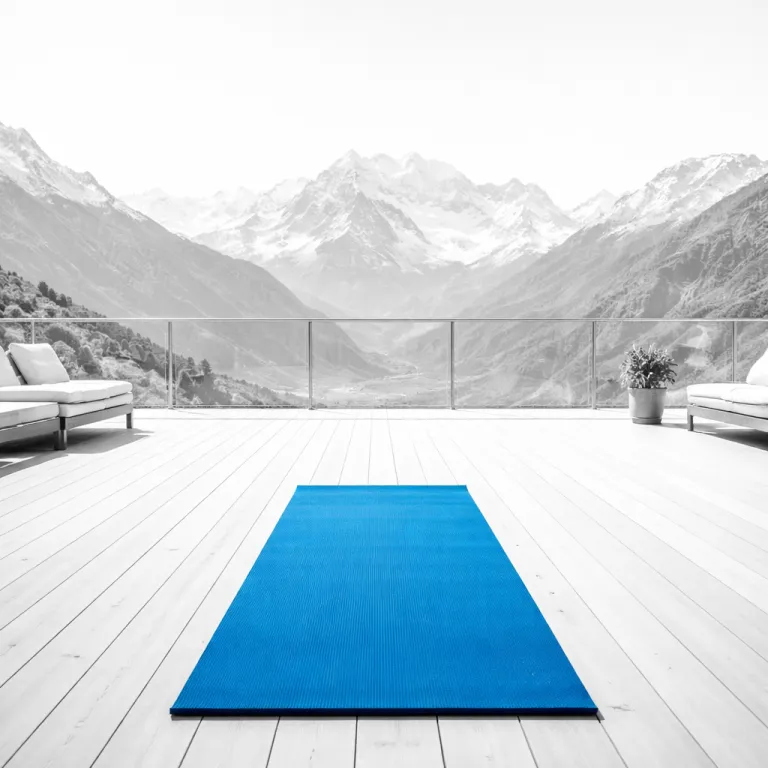
Why the dry season is the best time for a Bolivia wellness retreat
Bolivia’s dry season from May to October creates the clearest canvas for a Bolivia wellness retreat in the dry months, focused on altitude, stillness, and slow travel. At around 3,640 meters in La Paz, the air is thin, the light is sharp, and the body is gently forced to slow down in ways that quietly support wellness and mindful travel for people arriving from sea level. Families planning a wellness retreat during this period gain stable daytime temperatures of about 15 °C and crisp nights that invite hot stone therapies, deep sleep, and a natural digital detox.
Local wellness retreat centers in La Paz now design altitude-focused wellness programs as structured itineraries rather than vague spa weekends. Under the umbrella of altitude wellness retreats, their stated objectives are clear: "Enhance physical well-being.", "Promote mental relaxation.", "Educate on altitude adaptation." — a rare level of transparency in South America’s wellness scene. These retreats use fingertip pulse oximeters to track oxygen saturation (often around 88–92% for new arrivals at this elevation, though individual readings vary and medical advice is recommended for precise guidance), guided yoga meditation, and nutritional guides to help people acclimate gradually, turning the first day at altitude into a supported experience rather than a test of endurance.
For families, a Bolivia wellness retreat in the dry season is about pacing, not pressure. Plan the first two or three days and nights in La Paz or the nearby valleys, where wellness instructors teach altitude acclimatization techniques and traditional Andean breathing practices that feel both authentic and practical for children. A common pattern is to schedule only one light outing per day and to avoid early-morning starts during the first 48 hours, which aligns with standard high-altitude travel recommendations. This is also the best time to introduce coca leaf infusions, served under local health guidance, which many guests find helpful for gentle adaptation during their wellness retreat while they keep schedules deliberately free of early morning rush.
Altitude-to-jungle wellness arc: from La Paz to the Amazon
The most rewarding Bolivia wellness retreat dry season itineraries follow an altitude-to-jungle arc that respects how the body adjusts. Start with a retreat near La Paz, where certified wellness instructors lead yoga and guided meditation sessions framed by the Cordillera Real, then descend gradually toward the Amazon for a softer, humid embrace that feels like a reward after the high plateau. This rhythm mirrors the logic of many wellness retreats in South America, where the best wellness journeys move from effort to ease rather than the other way around.
Allkamari Mountain Lodge, perched above La Paz in the community of Jupapina, is a strong anchor for the altitude phase of your wellness retreat. Here, families can book yoga on outdoor decks, hot stone massage, Thai massage, facials, and aromatherapy, all while instructors quietly monitor how people respond to altitude using simple oxygen checks during each day of the stay. The property leans into traditional Andean elements such as coca leaf offerings and local herbal infusions, creating authentic experiences that feel rooted in place rather than imported from generic luxury retreats in other parts of South America.
From there, many travelers pair Bolivia with neighboring Peru wellness itineraries, especially if they are already flying via Cusco or Lima for a wider tour. While retreats Peru options in the Sacred Valley and around Cusco sacred sites such as Machu Picchu are famous, the dry season in Bolivia offers a calmer stage with fewer crowds and more space for families to move at their own pace. For deeper spa-focused planning across the region, our guide to spa retreats in Bolivia explains how to combine a Bolivia wellness retreat dry season stay with a later extension to the Sacred Valley or a Machu Picchu tour without overloading children, and how to coordinate transfers that often involve one to two hours by road between airports and key wellness properties.
Family-friendly wellness days at altitude: La Paz and the Andean valleys
Designing a Bolivia wellness retreat dry season for a premium family means structuring each day with intention. At Allkamari Mountain Lodge, mornings often begin with gentle yoga meditation sessions that last under an hour, giving children time to adapt while adults enjoy the silence and the long Andean views over the valley. Afternoons can be kept free for slow walks, coca leaf readings with local practitioners, or short guided experiences that introduce traditional Andean culture without overwhelming younger travelers.
Altitude wellness retreats around La Paz increasingly integrate education into the spa menu, which matters when you are traveling with curious teenagers. Sessions on altitude acclimatization techniques, hydration strategies, and breathing exercises turn the retreat into a living classroom, aligning with the event context that high altitude can improve cardiovascular health, boost mental clarity, and foster cultural appreciation when approached correctly. Typical early signs of altitude sickness — such as headache, mild nausea, or unusual fatigue — are explained clearly so families know when to slow down. Families who follow the simple guidance to acclimate gradually, stay hydrated, and pack warm clothing for cold nights usually find that a Bolivia wellness retreat in the dry season becomes a calm, confidence-building experience rather than a stressful adjustment.
For travelers who value refined spa design as much as mountain drama, our overview of luxury spa hotels in Bolivia highlights properties where luxury wellness is expressed through thoughtful thermal circuits, quiet relaxation lounges, and family-friendly pool areas. These hotels often offer flexible days and nights packages that bundle yoga, massage, and light detox retreat menus without imposing rigid schedules that clash with children’s energy levels. When you compare them with some of the more intense retreats Peru programs around the Sacred Valley or Cusco, Bolivia’s dry season properties feel gentler, with more space for unstructured experiences and genuine rest.
Booking strategy: aligning dry season wellness with wider South America journeys
Peak dry season is the best time to secure a Bolivia wellness retreat dry season stay that dovetails with a broader South America itinerary. Wellness retreat centers in La Paz report that May marks the quiet start, July brings peak participation, and October closes the season with softer light and cooler nights, so families who want specific room categories should book several months ahead. This is especially true if you plan to combine Bolivia with Peru wellness stays in the Sacred Valley or near Machu Picchu, where luxury retreats often sell out early for school holiday periods.
When you map your route, think in arcs rather than isolated bookings. One effective pattern is to begin with a few days and nights at altitude in La Paz, move to the Bolivian Amazon for a softer wellness retreat in the jungle, then continue to Peru for a short stay near Cusco sacred sites or the Sacred Valley Machu region, where yoga meditation and spa rituals are framed by Inca terraces. This structure allows for a natural digital detox, as connectivity tends to drop in the jungle and in some high Andean valleys, encouraging families to lean into shared experiences rather than screens.
For tailored advice on which luxury retreats and hotels match your family’s rhythm, our guide to personalized luxury hotel booking in Bolivia outlines how we curate properties based on wellness priorities, children’s ages, and preferred level of structure. We often recommend keeping at least one free day between major excursions such as a Uyuni salt flat tour or a Machu Picchu visit, so the body can integrate the altitude shifts and the mind can rest. In practice, this means alternating active days with quieter spa-focused days, which is the essence of a well-designed Bolivia wellness retreat dry season journey. For additional reassurance, many travelers also note down the contact details of local clinics in La Paz or Cusco before departure, so that any health concerns during the trip can be addressed quickly and professionally.
FAQ
What is the best time to visit Bolivia for wellness retreats ?
The best time to visit Bolivia for wellness retreats is from May to October during the dry season, when skies are clear and temperatures are stable. This period is ideal for outdoor yoga, guided meditation, and gentle hiking around La Paz and the Andean valleys. Families benefit from predictable weather, which makes it easier to plan spa days and low-intensity excursions.
How can I prepare for high-altitude conditions with my family ?
Preparation for high altitude starts before you fly, with good hydration and realistic expectations about slower first days. Once in Bolivia, follow the guidance to acclimate gradually, stay hydrated, and pack warm clothing for cold nights, especially if you are staying around 3,600 meters or higher. Many altitude wellness retreats in La Paz also use oxygen monitoring devices and teach breathing techniques, which can reassure both adults and children.
Are there health risks associated with high-altitude retreats ?
High-altitude retreats carry a risk of altitude sickness, particularly for travelers who ascend too quickly or ignore early symptoms. The most responsible advice is simple: watch for headache, dizziness, shortness of breath at rest, or persistent nausea, and consult a healthcare provider before attending if you have heart or lung conditions. Luxury wellness properties in Bolivia usually have protocols in place and can arrange medical support if needed, but pre-trip medical guidance remains essential.
How many days should I plan for a bolivia wellness retreat dry season stay ?
For a meaningful Bolivia wellness retreat dry season experience, plan at least four to six days and nights at altitude, especially if you are traveling with children. This allows two or three days for acclimatization, followed by several days of deeper spa treatments, yoga meditation, and light excursions. If you are combining Bolivia with Peru wellness stays or a Machu Picchu tour, consider adding another week to avoid rushing between destinations.
Can I combine a Bolivian wellness retreat with visits to Peru and Machu Picchu ?
Combining a Bolivian wellness retreat with Peru and Machu Picchu is not only possible but increasingly popular among South America travelers. Many itineraries start in La Paz for altitude acclimatization, continue to the Bolivian Amazon or Uyuni, then cross to Cusco, the Sacred Valley, and finally Machu Picchu, where wellness retreats and luxury retreats offer yoga, spa rituals, and traditional Andean ceremonies. The key is to space out major altitude changes and keep at least one free day between headline experiences so the journey feels restorative rather than rushed.