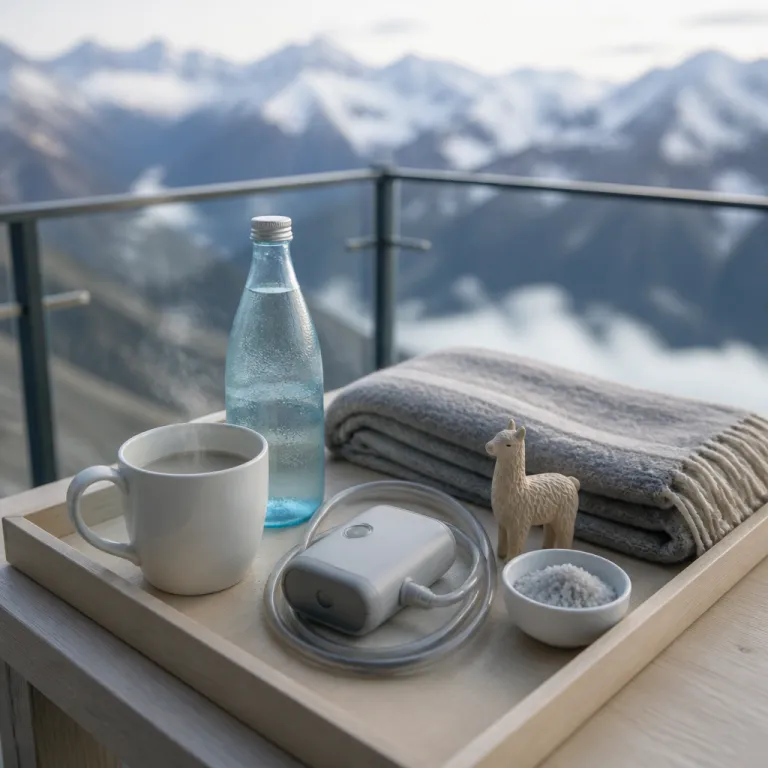
Why altitude wellness in Bolivia matters for luxury travelers
La Paz sits at an average elevation of around 3 640 meters (about 11 942 feet) above sea level, a figure widely cited by sources such as National Geographic and Bolivian geographic surveys. At this height the body behaves differently, so any Bolivia spa hotel altitude wellness program becomes more than a marketing flourish. Circulation, breathing, and sleep patterns can all shift, and hotels that understand altitude sickness turn potential discomfort into a structured wellness journey. For business leisure travelers extending a stay in the city, choosing the right spa hotel can mean the difference between cancelling meetings and actually enjoying the Andean skyline.
High‑altitude medicine guidelines, including those summarized by the World Health Organization and the Institute for Altitude Medicine, indicate that roughly 20–40 percent of travelers may experience some form of acute mountain sickness when they ascend rapidly above 2 500 meters. In response, the smartest hotels in La Paz and across Bolivia now design altitude spa concepts around prevention rather than cure. Local properties collaborate with health professionals to offer medical consultations, oxygen therapy rooms, and nutritional guidance that feel discreetly integrated into the wider spa experience. These Bolivian programs are not generic wellness packages; they are targeted high‑altitude recovery plans that begin the moment you check into your room and continue until breakfast is served on your final morning.
Suites Camino Real in La Paz, for example, publicly promotes an “Altitude Plan” that focuses on gradual acclimatization, coca tea rituals, and access to oxygen‑enriched spaces, positioning the hotel as a reference point for serious altitude management. Hotel Presidente in the historic center complements its spa offering with a compact fitness area and treatment rooms where therapists are trained to recognize early signs of altitude sickness, according to the hotel’s own service descriptions. Out on the Uyuni salt flats, Luna Salada Hotel de Sal highlights its desert spa and salt‑based therapies to support circulation and deep sleep, turning a remote stay into a pure altitude retreat that feels both otherworldly and surprisingly restorative.
How Bolivia’s altitude spa hotels turn thin air into an asset
Altitude wellness in Bolivia is not about pampering for its own sake; it is about using the environment as a therapeutic tool. The best hotel spa specialists understand that at 3 600 meters and above, circulation, hydration, and sleep patterns shift, so every spa protocol is adjusted accordingly. When you book a Bolivia spa hotel altitude wellness program, you are effectively signing up for a structured acclimatization plan that still feels indulgent and tailored rather than clinical.
Across La Paz, several spa teams now integrate coca leaf rituals, oxygen therapy, and slow movement classes into their amenities, treating the city itself as part of the treatment room. Suites Camino Real’s Altitude Plan, for example, combines medical consultations with access to oxygen therapy rooms and a curated spa menu that avoids heavy oils during the first night of your stay, as outlined in the hotel’s wellness materials. Hotel Presidente focuses on gentle hydrotherapy and short, targeted massages, while Luna Salada’s desert spa leans into salt compresses and warm stone techniques that work particularly well at pure altitude levels on the Uyuni flats.
Travelers comparing Bolivia with Swiss mountain retreats or Colorado resorts will notice that Bolivian hotels lean more heavily on traditional remedies such as coca tea and herbal infusions. Local health professionals emphasize that “What is altitude sickness? A condition caused by rapid ascent to high elevations, leading to symptoms like headache and nausea.” They also underline that “How can I prevent altitude sickness? Gradual acclimatization, staying hydrated, and avoiding alcohol can help prevent symptoms.” Finally, wellness consultants working with leading properties confirm that “Are altitude wellness programs effective? Yes, they can significantly reduce discomfort and improve overall well‑being at high elevations.” For a deeper overview of spa‑focused itineraries from the altiplano to the Amazon, you can review independent guides to Bolivian wellness retreats, which map where altitude spa concepts are most advanced.
Property spotlight: La Paz altitude wellness from business to leisure
For executives landing at Aeropuerto Internacional El Alto and heading straight into meetings, La Paz hotels with serious altitude wellness programs are not a luxury; they are a risk management tool. Suites Camino Real, located along the main corridor that links the city with the Hernando Siles stadium district, has become a first choice for travelers who want a Bolivia spa hotel altitude wellness program that starts on arrival. The hotel’s Altitude Plan includes early access to oxygen therapy, light Bolivian cuisine tailored to digestion at height, and a spa circuit designed to avoid sudden temperature shocks.
Hotel Presidente, often selected as a central La Paz option for board meetings and conferences, balances its business center facilities with a compact but efficient spa floor. Guests can check availability for oxygen‑enriched rooms, arrange airport shuttle transfers that minimize waiting time at altitude, and schedule room service menus that prioritize hydration over heavy sauces. As one La Paz spa manager notes, “If we can get guests to slow down for their first evening, drink coca tea, and sleep in an oxygen‑equipped room, the next day’s meetings usually feel much easier.” For many business leisure travelers, the ability to move from a meeting room to a quiet altitude spa treatment within minutes is what turns a necessary trip into a restorative stay.
Several La Paz properties also refine the basics that matter when you are acclimating, from complimentary filtered water in all rooms to flexible breakfast service hours that respect jet lag. Suites Camino Real and Hotel Presidente both offer parking for visiting delegations, while their front desk teams are trained to check subtle signs of altitude sickness during check‑in. When you plan a longer stay that blends work and wellness, it is worth using a curated platform or personalized luxury hotel booking guide that evaluates amenities, location, and altitude wellness depth rather than just listing prices per night.
Salt, coca and oxygen: signature treatments at pure altitude
Bolivia’s most distinctive spa experiences unfold where the landscape itself becomes the treatment ingredient, and nowhere is this clearer than at Luna Salada Hotel de Sal near Uyuni. Built from salt blocks, this spa hotel uses the mineral‑rich environment to design exfoliations and compresses that feel inseparable from the Salar de Uyuni outside your room. When you book a Bolivia spa hotel altitude wellness program here, you are not just adding a massage to your stay; you are engaging with the geology of the altiplano.
Coca‑based treatments are another hallmark of Bolivian altitude spa culture, especially in La Paz and around Lake Titicaca, where coca tea has long been used to ease altitude sickness. Therapists may offer coca leaf foot baths, coca oil back massages, or short inhalation rituals before a facial, always within the framework of local regulations and cultural respect. These sessions are usually paired with oxygen therapy breaks, allowing your body to oscillate gently between pure altitude air and controlled oxygen‑enriched environments that support recovery. As one travel doctor who advises Andean hotels explains, “The combination of light movement, coca infusions, and short oxygen sessions is not a cure‑all, but it can make the difference between a restless night and genuinely restorative sleep.”
Compared with Swiss or Colorado mountain hotels, Bolivian properties tend to be more experimental with local ingredients yet more understated in their marketing. You will rarely see the term pure altitude used as a slogan, but you will feel it in the way breakfast is served with coca infusions, quinoa porridge, and light fruit rather than heavy buffets. For travelers timing a wellness‑focused trip, the dry season is generally the best moment to combine spa days with low‑intensity cultural walks, and specialist guides to dry season altitude retreats help you align climate, prices, and energy levels for an efficient itinerary.
Choosing the right La Paz hotel for altitude sensitive stays
La Paz is a city of dramatic verticality, and where you choose to sleep can influence how your body handles altitude, so selecting the right hotel is a strategic decision. Properties closer to the lower‑lying southern districts, such as the area around the Hernando Siles stadium, can feel marginally gentler on first nights than those perched near El Alto. When you evaluate any Bolivia spa hotel altitude wellness program in the capital, consider not only the spa menu but also the altitude of the neighborhood, the availability of oxygen, and how quickly staff can respond to early signs of altitude sickness.
Executive travelers often prioritize amenities such as a reliable business center, fast Wi‑Fi, and quiet rooms, but at 3 640 meters the soft infrastructure matters just as much. Look for hotels that offer complimentary bottled water, flexible room service hours, and breakfast options that start early for morning meetings yet remain light. Suites Camino Real and Hotel Presidente both provide airport shuttle services, on‑site parking, and teams trained to check your condition discreetly during check‑in, which reduces friction during those first crucial hours.
Price structures in La Paz vary widely, so it is worth comparing the total price per night rather than headline prices alone, especially when spa access or oxygen therapy carries a supplement. Some hotels include basic altitude spa access in the room rate, while others treat it as a premium extra, which can significantly change the overall value of your stay. For travelers who prefer a more residential feel, properties such as Casa Grande and other grande hotel style addresses in the southern zone offer spacious rooms, strong wellness programs, and calmer surroundings that suit longer acclimatization periods.
Practical planning: integrating altitude wellness into your Bolivian itinerary
Designing a Bolivian itinerary that respects altitude is as important as choosing the right hotel, especially if you are combining La Paz with Uyuni, Sucre, or the lowlands. The most effective Bolivia spa hotel altitude wellness program begins with a gradual ascent, ideally spending the first nights in slightly lower areas before moving to higher plateaus. Many wellness‑focused travelers now structure trips so that La Paz and its altitude spa hotels bookend the journey, providing acclimatization on arrival and recovery before the flight home.
When you plan, check availability early for properties that offer integrated altitude wellness services, as oxygen‑equipped rooms and specialist therapists are limited. Consider building in unscheduled hours during the first two days, using hotel spa facilities, swimming pool areas where available, and quiet lounges rather than packing the schedule with back‑to‑back meetings or excursions. Remember that even simple activities, such as walking uphill in the city or climbing stairs to a rooftop bar, can feel more intense at pure altitude, so allow your body to adjust before committing to long day trips.
From a practical standpoint, always confirm which amenities are included in the room price, from breakfast options to access to the business center, parking, and airport shuttle transfers. Ask whether the hotel has staff trained to recognize altitude sickness, whether oxygen is available in rooms or only in the spa, and how room service can adapt menus if you feel unwell. By aligning your expectations with the property’s capabilities, you transform Bolivia’s challenging elevations into a controlled environment where wellness, work, and travel coexist comfortably.
Key figures on altitude wellness and Bolivian spa hotels
- La Paz sits at an average altitude of about 3 640 meters above sea level, which makes it one of the highest administrative capitals in the world and a prime location for altitude‑focused spa hotel programs (source: National Geographic and Bolivian geographic surveys).
- High‑altitude medicine references, including World Health Organization summaries and specialist guidelines, estimate that roughly 20–40 percent of travelers experience some form of altitude sickness when arriving rapidly at high elevations, which explains why hotels in La Paz and Uyuni increasingly invest in structured altitude spa and wellness offerings.
- Leading Bolivian properties such as Suites Camino Real, Hotel Presidente, and Luna Salada Hotel de Sal now operate altitude wellness services year‑round, reflecting the growing demand for wellness tourism that integrates medical consultations, oxygen therapy, and spa treatments into standard hotel amenities, as described in their published hotel information.
FAQ about Bolivia spa hotels and altitude wellness programs
What is altitude sickness and why does it matter for hotel stays?
Altitude sickness is a reaction to rapid ascent to high elevations, typically above 2 500 meters, and it can cause headache, nausea, fatigue, and sleep disruption. In cities like La Paz, where many hotels sit around 3 640 meters, these symptoms can affect your ability to work, rest, and enjoy the destination. Choosing a spa hotel with an altitude wellness program ensures access to oxygen therapy, informed staff, and treatments designed to ease the transition.
How can I reduce the risk of altitude sickness when staying in La Paz?
The most effective strategies are to acclimate gradually, stay well hydrated, and avoid alcohol and heavy meals during the first 24 to 48 hours. Booking a Bolivia spa hotel altitude wellness program allows you to combine these habits with professional support, from medical consultations to gentle spa sessions. Many La Paz hotels also recommend limiting strenuous activities on the first day and using their wellness facilities for rest instead.
Are altitude wellness programs in Bolivian hotels scientifically grounded?
Altitude wellness programs in Bolivia typically combine established medical advice with local traditions such as coca tea and herbal infusions. Core elements like oxygen therapy, gradual acclimatization, and hydration are consistent with international guidelines for high‑altitude travel. When hotels partner with local health professionals and wellness consultants, these programs can significantly improve comfort and reduce the severity of altitude‑related symptoms.
Which Bolivian destinations are best for combining spa stays with gentle sightseeing?
La Paz is ideal for travelers who want serious altitude spa infrastructure alongside museums, cable car rides, and short city walks that can be paced according to energy levels. Uyuni, with properties like Luna Salada Hotel de Sal, offers immersive salt desert spa experiences that pair well with low‑intensity excursions across the flats. Many travelers also include lower‑altitude stops in the valleys or Amazon fringe to give the body a break between high plateau stays.
What should I ask a hotel before booking an altitude focused wellness stay?
Before confirming a reservation, ask whether the hotel provides oxygen in rooms or only in the spa, whether staff are trained to recognize altitude sickness, and if medical support is available on call. Clarify which wellness amenities are included in the room price, such as spa access, use of the business center, and breakfast options tailored to acclimatization. It is also wise to check availability for airport shuttle services and late check‑out, which can make departure days at altitude more comfortable. A short personal checklist might include packing a reusable water bottle, light layers, any prescribed altitude medication, and comfortable shoes for slow, steady walks during your first days in Bolivia.