How seasons shape the best time to visit Bolivia’s luxury hotspots
The best time to visit Bolivia depends on which landscapes and luxury hotels you want to enjoy most. For many travelers, the dry season from May to October is the preferred window because clear skies, stable weather, and easier road conditions make high-end trips smoother. When you plan your time to visit Bolivia around these months, you can secure premium suites, arrange private transfers, and enjoy refined service with fewer last-minute disruptions.
Bolivia stretches from Amazon rainforest to Andean peaks, so the season in one region rarely matches another perfectly. In La Paz, where average daytime temperatures in July hover around 15 °C (59 °F) according to Bolivia’s National Meteorology and Hydrology Service (SENAMHI, 2023 climatological summary), the dry weather makes it easier to acclimatize at altitude while staying in luxury properties such as Atix Hotel or Casa Grande Hotel, which offer wellness areas, heated rooms, and city views. Along the lowland city of Santa Cruz, the same dry season brings pleasantly warm temperatures and lower humidity, which suits travelers who prefer resort-style pools, landscaped gardens, and outdoor dining in upscale neighborhoods like Equipetrol.
Travel planning data from regional tourism boards and the Bolivian Ministry of Cultures and Tourism (annual visitor reports, 2019–2023) shows that May, June, and July are often the best months for reliable weather, though August and early October also offer a great time for upscale itineraries. Tourism offices and experienced tour operators consistently answer the question “What is the best time to visit Bolivia?” with similar guidance: “May to October during the dry season.” When you align your trip with this dry-season Bolivia window, you reduce the risk of rainy-season delays that can affect flights, road transfers, and even access to remote national park lodges, especially on unpaved routes.
Dry season versus wet season for La Paz, Lake Titicaca, and cultural stays
Choosing the best time to visit Bolivia’s highlands means weighing the dry season against the wet season for comfort and access. From May to October, La Paz enjoys crisp air, intense sunshine, and clear skies that reveal the surrounding Cordillera Real, while luxury hotels in the city center and Zona Sur offer heated rooms, fine dining, and attentive concierges. During this same dry period, Lake Titicaca becomes a serene stage for premium eco-lodges and private island stays, where calm waters and cool temperatures suit slow travel and small-group excursions.
Between November and April, the rainy season in this part of Bolivia brings heavier showers, cloudier weather, and occasional transport disruptions, particularly on mountain roads. It is still a good time to visit if you value cultural immersion over perfect conditions, because festivals, markets, and local life continue regardless of the month or season. Tourism authorities respond clearly when asked “Is it safe to travel to Bolivia during the wet season?” with the reassurance: “Yes, but expect travel delays due to rain and occasional schedule changes.”
Luxury travelers planning a time to visit La Paz, Lake Titicaca, or the surrounding valleys should consider how altitude and temperatures affect comfort. Even in the best-time window of the dry season, nights can fall close to freezing, so premium hotels with underfloor heating, high-quality bedding, and wellness facilities make a real difference. One La Paz-based travel planner notes that guests who book spa access and slower-paced city tours on arrival days “enjoy the altitude much more than those who rush straight into long excursions.” For a deeper overview of how to structure a high-end trip across the country, including La Paz, Santa Cruz, and the Andean plateau, consult this detailed Bolivia luxury travel guide before you confirm your reservations.
When to visit Uyuni salt flats and stay in luxury salt hotels
For many guests, the best time to visit Bolivia is defined by the moment they step onto the Uyuni salt flats. The Salar de Uyuni sits at more than 3 600 m above sea level, and its weather changes dramatically between the dry season and the wet season, shaping both the landscape and the luxury hotel experience. From June to early October, the dry months bring hard-packed Uyuni salt, clear skies, and cold but stable temperatures, which is ideal for 4x4 excursions, stargazing, and nights in high-end salt hotels such as Palacio de Sal or Luna Salada.
During the dry season Bolivia reveals the geometric patterns of the salt flats in sharp detail, and photographers prize this time to visit for its crisp horizons and intense light. Luxury properties built from salt blocks, including those near Colchani, offer heated rooms, gourmet Andean cuisine, and curated excursions that reach remote corners of the Salar de Uyuni. If you want to understand what sleeping in a refined salt property feels like, read this in-depth feature on staying in a salt hotel on the Uyuni flats before choosing your preferred month.
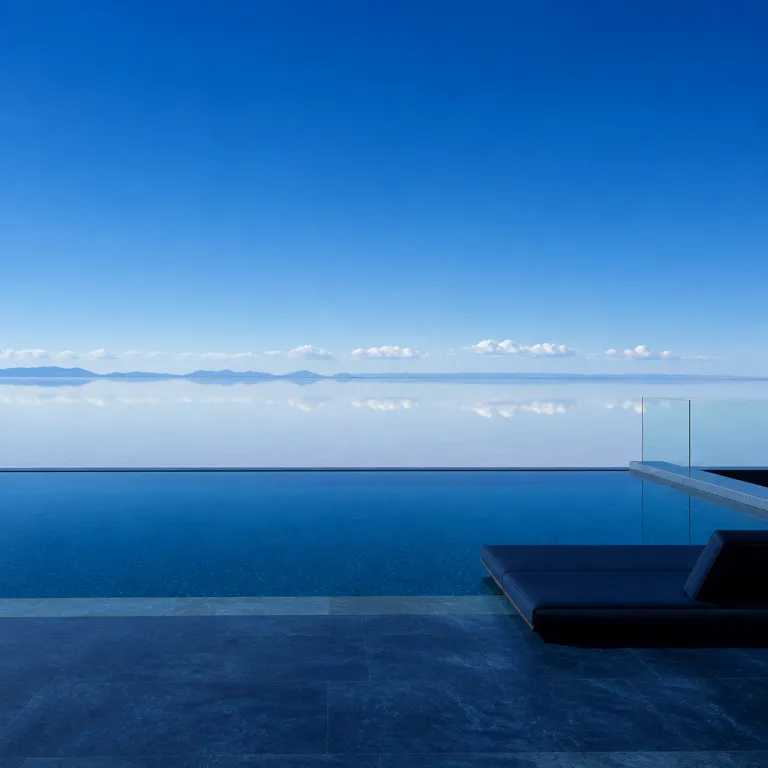
From roughly November to April, the rainy season transforms parts of the Uyuni salt flats into a shallow mirror, creating the famous reflection effect that many travelers associate with the best time to visit Bolivia. This wet-season spectacle is most common between January and March, though exact timing varies each year, and some areas may flood enough to limit access to certain luxury camps or overland routes. When you plan a trip in this November–April window, work closely with tour operators and high-end hotels, because they monitor road conditions daily and adjust itineraries to keep guests safe while still delivering a great time on the salar, even if specific viewpoints or islands are temporarily off-limits.
Iconic routes linking La Paz, Lake Titicaca, and Uyuni for premium itineraries
Luxury travelers often design their best time to visit Bolivia around a triangle linking La Paz, Lake Titicaca, and Uyuni. This route works especially well in the dry season, when clear skies and predictable weather make internal flights and long drives more comfortable, and when high-altitude temperatures are easier to manage with proper layering. Starting in La Paz, guests can acclimatize in upscale hotels, explore the historic center, and enjoy fine dining before continuing toward the lake or the salt flats.
From La Paz, many travelers head first to Lake Titicaca, where the season Bolivia offers cool, sunny days from May to October and slightly wetter, greener landscapes from November to April. Luxury lodges on the Bolivian side of the lake provide private boat transfers, guided visits to Isla del Sol, and curated cultural experiences with local communities, which suit travelers who value authenticity and comfort in equal measure. After two or three nights at the lake, the trip continues back through La Paz or directly by air toward Uyuni, where the choice between dry-season clarity and wet-season reflections defines the overall feel of the journey.
Some itineraries extend beyond these three icons to include Santa Cruz, where lower altitude and warmer temperatures create a different season pattern, with a milder rainy season and lush greenery. Others add a national park such as Eduardo Avaroa Andean Fauna National Reserve, where flamingo-filled lagoons and geysers sit at high altitude and are easier to reach in the dry months. When you combine these destinations thoughtfully, the best time to visit Bolivia becomes a tailored concept rather than a single month, shaped by your preferred climates, landscapes, and hotel styles, as well as how much time you want to spend in transit versus at leisure.
Amazon lodges, national parks, and when to enjoy Bolivia’s wild luxury
Beyond the highlands, the best time to visit Bolivia’s Amazon and lowland national parks follows a different rhythm. In regions such as Rurrenabaque and the Madidi area, the wet season from November to April brings heavy rain, swollen rivers, and dense greenery, which can make wildlife spotting both rewarding and challenging. The dry months from May to October usually offer lower water levels, fewer mosquitoes, and more comfortable temperatures for river cruises and jungle walks, especially for travelers who prefer longer hikes.
Luxury and premium lodges in these areas operate year-round, but they adjust activities according to the season and daily weather. During the dry season Bolivia’s jungle trails are more accessible, and clear skies at night enhance the sense of remoteness, while in the rainy season boat-based excursions may reach deeper into flooded forests that are inaccessible by foot. One lodge manager near Madidi notes that “guests who come at the start of the dry season often see both high river levels and good trail conditions, which feels like the best of both worlds.” For travelers seeking refined comfort in these remote settings, this curated guide to luxury Amazon lodges in Bolivia helps match the right lodge to the right time to visit.
When planning a trip that combines the Amazon with La Paz, Uyuni, or Lake Titicaca, consider how the season Bolivia affects flight schedules and road conditions between regions. A common strategy is to visit the highlands during the core dry-season months of June, July, and August, then end with several nights in a lowland lodge where warmer temperatures feel pleasant after the cold of the altiplano. Whatever month you choose, pack layers for temperature variations, prepare for altitude sickness in highlands, and check road conditions during wet season, as local tour operators and national park authorities often share real-time updates through local offices and transport companies.
Festivals, culture, and timing your luxury stay around Bolivia’s iconic events
For culturally focused travelers, the best time to visit Bolivia may revolve around festivals rather than weather alone. The Carnaval de Oruro stands out as one of the country’s most important celebrations, drawing dancers, musicians, and pilgrims for several intense days of processions and performances. Luxury and premium hotels in Oruro and La Paz often sell out months in advance for this period, so early booking is essential if you want spacious suites, private transfers, and curated viewing spots with expert guides.
Throughout the year, other events in La Paz, Santa Cruz, and smaller cities create compelling reasons to plan a time to visit around specific dates. Religious festivals, food fairs, and cultural weeks bring streets to life, and high-end hotels respond with themed menus, special spa treatments, or rooftop events that frame the celebrations against city skylines and mountain backdrops. When asked “Are there festivals in Bolivia year-round?” tourism experts answer simply: “Yes, major festivals occur throughout the year, and many smaller local events fill the calendar in between.”
Some travelers also combine Bolivia with neighboring Peru, timing their trip to include both the Uyuni salt flats and Machu Picchu on a single itinerary. In this case, the best time to visit Bolivia often aligns with the drier months in southern Peru, especially from May to September, when clear skies favor both Andean trekking and luxury train journeys. Whether you travel in the core dry season or during the shoulder months of April, October, and early November, aligning your trip with key festivals and cultural events can turn a great time into an unforgettable one, provided you secure your preferred hotels, guides, and internal flights well in advance.
Key statistics for planning the best time to visit Bolivia
- The dry season in Bolivia generally runs from May to October, which most tourism boards and tour operators identify as the best time to visit for stable weather and easier logistics across highland regions.
- The wet season from November to April brings heavier rainfall, especially in the Amazon Basin, where annual precipitation can reach around 2 000 mm according to the National Meteorological Service of Bolivia (SENAMHI hydrological bulletin, 2022), affecting river levels and access to remote lodges.
- Average high temperatures in La Paz during July are close to 15 °C, or about 59 °F, which makes warm clothing and well-heated luxury hotel rooms important even during sunny days.
- Travel demand for premium hotels near the Uyuni salt flats typically peaks between June and August, when clear skies and dry conditions favor 4x4 excursions, stargazing, and photography on the salar, and when many international visitors have mid-year holidays, according to regional tourism statistics for Potosí Department (2018–2023).
- Eco-tourism and interest in cultural festivals such as Carnaval de Oruro have increased in recent years, encouraging more travelers to time their visit Bolivia itineraries around specific events rather than only around weather patterns.
Frequently asked questions about the best time to visit Bolivia
What is the best time to visit Bolivia for first time travelers ?
For a first trip that includes La Paz, Lake Titicaca, and the Uyuni salt flats, the best time to visit Bolivia is usually from May to October. These dry-season months bring clearer skies, more reliable road conditions, and cooler but manageable temperatures at altitude. Luxury hotels and tour operators also tend to run full activity programs during this period, which helps maximize your experience and simplifies logistics for complex itineraries.
Is it safe to travel during the rainy season in Bolivia ?
Travel during the rainy season from November to April is generally safe, but you should expect occasional delays and itinerary changes due to heavy rain or temporary road closures. This period can be rewarding for experienced travelers who value lush landscapes and fewer crowds, especially in the Amazon and Yungas regions. Working with reputable tour operators and staying in well-managed premium hotels helps mitigate most weather-related risks and ensures you receive timely updates if conditions change.
When is the best time to visit the Uyuni salt flats ?
The ideal time depends on whether you prefer dry salt patterns or mirror-like reflections. From June to October, the dry season offers firm surfaces, intense blue skies, and excellent stargazing, which many photographers and luxury travelers consider the best time. Between roughly January and March, parts of the flats may flood, creating the famous reflection effect but sometimes limiting access to more remote areas, so flexibility in your schedule is helpful.
How should I plan for altitude when visiting La Paz and Lake Titicaca ?
La Paz and Lake Titicaca sit at high altitude, so you should plan at least one or two easy days on arrival, regardless of the season. Choose luxury hotels that offer slow-paced itineraries, access to medical support if needed, and staff trained to recognize altitude-related symptoms, especially during your first time visit. Staying hydrated, avoiding heavy meals on the first day, and consulting your doctor before travel are sensible precautions that make the overall experience more comfortable.
Are there festivals in Bolivia throughout the year ?
Yes, Bolivia hosts important festivals in every season, from Carnaval de Oruro early in the year to regional religious and cultural events later on. These celebrations can significantly increase demand for premium and luxury hotel rooms in cities such as Oruro, La Paz, and Santa Cruz. If you want to attend a major festival in comfort, book your flights, hotels, and guided experiences several months in advance, and consider adding extra nights to recover after late-night celebrations.