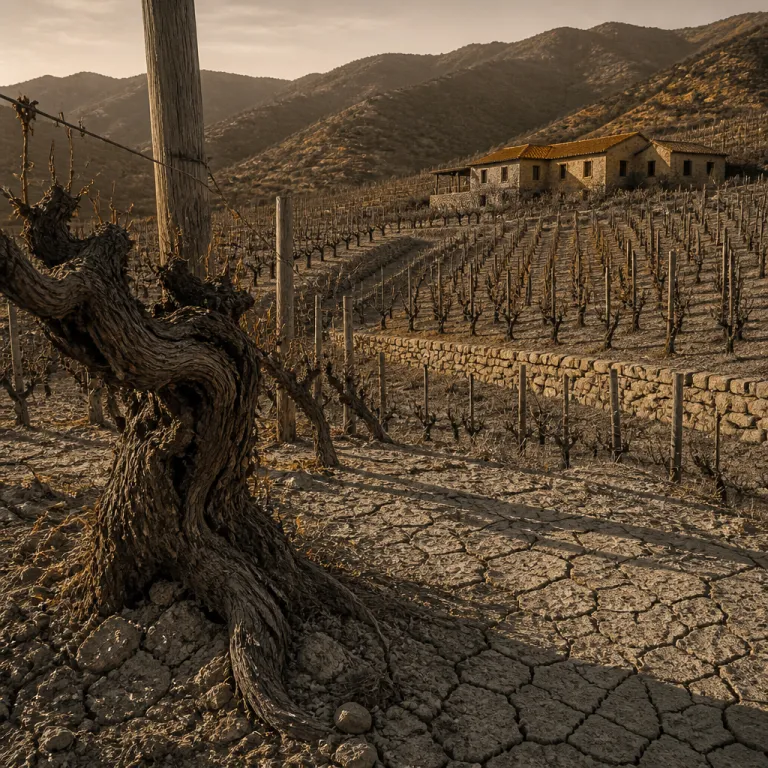
Tarija wine region: why Bolivia’s highest vineyards belong on your itinerary
Tarija sits in a gentle valley in southern Bolivia, wrapped in vines and framed by soft hills. This is the heart of the tarija wine region bolivia vineyards hotels visit conversation, where high altitude viticulture meets slow paced Andean life. For couples planning luxury travel through South America, Tarija offers a calm counterpoint to La Paz and Uyuni.
The Valle Central around Tarija Bolivia lies at roughly 1,750 to 1,850 meters, making it one of the highest wine regions in South America. Warm days, cool nights and more than 300 days of sunshine shape the character of every grape, from Muscat of Alexandria destined for singani to structured Cabernet Sauvignon for serious bolivian wine. This high altitude setting means the wine produced here carries bright acidity, intense aromatics and a freshness that surprises travelers used to heavier wines from lower valleys.
Most visitors still skip Tarija when they travel through Bolivia, heading instead straight from Sucre to Uyuni or Samaipata. That is a missed opportunity, because this compact wine country concentrates around 78 percent of Bolivia’s wine production in a landscape that feels made for slow touring and long lunches. For a tarija wine region bolivia vineyards hotels visit focused on romance, think two or three nights, with one full day dedicated to a guided wine tour and another to wandering Tarija’s plazas, markets and nearby villages.
From vineyard tours to singani: how Tarija’s wineries welcome guests
Wine tourism in Tarija is structured yet relaxed, with a rhythm that suits couples who like to linger. Mornings usually start with a vineyard tour in the Valle de la Concepción, where rows of vines stretch towards the mountains and guides explain how high altitude sun shapes both wines and singani. Afternoons then slide naturally into shaded terraces, where wine tasting flights arrive with local cheeses, cured meats and crisp salteñas.
Campos de Solana is one of the best known wineries, a modern estate that showcases bolivian wine with a polished tasting room overlooking the vines. Here you can compare different wines side by side, from aromatic whites to Cabernet Sauvignon blends, and understand how Tarija offers a distinct profile compared with other South American wine regions. Nearby, Aranjuez focuses more on a family run feel, with smaller production volumes and a stronger emphasis on the vineyard as a living ecosystem.
Historic producers such as Kohlberg and Casa Real anchor Tarija’s wine production story, especially when it comes to singani, Bolivia’s grape based spirit. A visit to Casa Real reveals how carefully selected grape parcels become distilled singani, while a tour at Kohlberg shows how bolivia wine evolved from simple table wines to bottles that now win international attention. For travelers already planning textile focused days in Sucre, pairing Tarija with a luxury textile tour in Tarabuco and Sucre creates a refined, culture rich circuit.
Where to stay: the reality of Tarija’s hotels for luxury travelers
Tarija’s accommodation scene is comfortable rather than overtly opulent, which matters when you are planning a tarija wine region bolivia vineyards hotels visit with high expectations. In the city center, you will find well run premium hotels with spacious rooms, reliable hot water and helpful concierges, but not the full scale resort style amenities you might see in other South American wine country hubs. Think polished three and four star properties with strong service, rather than palatial spas and Michelin level dining.
Several wineries and small estancias in the valley now offer guest rooms, giving couples the chance to wake up among vines instead of traffic. These vineyard stays are ideal if your priority is to immerse yourself in bolivian wine culture, enjoy private wine tasting sessions and stroll through the rows at sunset with a glass in hand. Rooms are usually simple but charming, so the luxury comes from proximity to the land, the quiet and the direct access to tasting room experiences rather than from marble bathrooms.
For travelers who want a broader Bolivia itinerary, Tarija pairs well with La Paz, Sucre and the lowland city of Santa Cruz. You might fly into Santa Cruz, spend a night in one of the city’s best urban hotels, then connect to Tarija for your wine tour before continuing to Uyuni or a luxury Amazon lodge in Bolivia’s jungle. This approach lets you balance days in wine country with time in the tropical east and the high Andean plateau, creating a layered, south american journey.
Signature wineries and tasting styles: Campos de Solana, Aranjuez, Casa Real and beyond
Each major winery in Tarija tells a slightly different story, and understanding those differences will help you design a more rewarding tarija wine region bolivia vineyards hotels visit. Campos de Solana leans into a contemporary identity, with a sleek tasting room, guided wine tour options and a portfolio that includes award winning reds and whites. Their Cabernet Sauvignon based blends show how high altitude conditions can deliver ripe fruit with surprising freshness.
Aranjuez, by contrast, feels more intimate, with vineyards that wrap close around the cellar and a focus on expressing specific parcels. Here, wine tasting often includes limited release wines that rarely leave Bolivia, giving you a sense of bolivia wine as locals enjoy it rather than as an export product. The staff will usually walk you through the grape varieties planted, explain how each plot behaves and highlight how Tarija offers a different expression of classic grapes compared with Chile or Argentina.
Casa Real sits at the intersection of wine and spirits, transforming carefully selected grape harvests into singani that underpins many of Bolivia’s best cocktails. Touring the distillery reveals how much of the wine produced in the region never becomes bottled wine at all, instead feeding a parallel tradition that is just as central to Tarija’s identity. Smaller wineries and what many visitors would call a boutique winery also dot the valley, offering more personal tastings where the owner might pour your wines and share candid views on the future of bolivian wine.
Designing a romantic Tarija itinerary: from Mercado Campesino to Canon Escondido
A well planned tarija wine region bolivia vineyards hotels visit usually runs over two or three nights, which gives you enough time to balance wine with local culture. Start with a gentle stroll through Tarija’s colonial center, where low rise casas with wooden balconies frame leafy plazas and cafés spill onto the sidewalks. In the evening, choose a restaurant that takes bolivian wine seriously, pairing regional dishes with glasses from Campos de Solana, Aranjuez or other wineries.
The next day, dedicate your time to a full wine tour in the Valle de la Concepción, ideally with a driver so you can relax during each tasting. Many local operators offer curated routes that combine larger wineries with small family run projects, plus a long lunch under the trees. Along the way, you will hear how Tarija’s high altitude climate shapes wine production and why bolivia wine is gaining recognition across South America.
On your final day, consider a side trip to Canon Escondido, a narrow canyon outside the city where rock walls glow in the late afternoon light. The walk is gentle enough for most travelers, and the contrast between vineyard greens and canyon reds adds visual drama to your stay. If you are continuing north, you might route via Sucre and then on to Samaipata, stitching together a journey that links wine country, colonial cities and cloud forest in a single, south american arc.
Connecting Tarija with Santa Cruz, Samaipata and wider Bolivian wine regions
Tarija does not exist in isolation, and the smartest itineraries treat it as one chapter in a broader Bolivia journey. Many couples start or end their trip in Santa Cruz, using the city’s international connections and growing luxury hotel scene as a soft landing. For ideas on where to stay there, look at this guide to Santa Cruz hotels for luxury travelers, then build your wine country plans around those dates.
From Santa Cruz, you can travel overland to Samaipata, a small town surrounded by rolling hills and vineyards that represent another face of bolivian wine. While Tarija remains the primary engine of wine production, Samaipata and the broader Santa Cruz region host wineries that experiment with different grape varieties and lower altitude conditions. Visiting both areas lets you compare how wine produced in Tarija’s high altitude vineyards differs from bottles grown closer to the tropics.
Across Bolivia, wine regions are still compact enough that you can meet winemakers directly, ask detailed questions and taste wines in the very parcels where the grapes grew. This intimacy is part of what makes a tarija wine region bolivia vineyards hotels visit feel so personal, especially for couples who care about provenance and craft. As one local tourism briefing puts it, “Growing international recognition of Bolivian wines. Increased wine tourism in Tarija. Expansion of vineyard facilities.”
Key figures from Tarija’s high altitude wine country
- Tarija’s main vineyards sit around 1,850 meters above sea level, making them among the highest commercial wine regions in the world and giving bolivian wine its distinctive freshness (source: regional tourism data).
- Approximately 78 percent of Bolivia’s wine production comes from the Valle Central around Tarija, which explains why most serious wine tours in the country focus on this compact region (source: industry analysis of bolivia wine output).
- Wine tourism in Tarija now operates year round, with structured timelines that typically include morning vineyard tours, afternoon wine tastings and evening food pairings, allowing couples to plan two or three day stays with confidence (source: local wine tourism programs).
- High altitude sun exposure and cool nights in Tarija contribute to slower grape ripening, which in turn supports balanced alcohol levels and vibrant acidity in wines compared with many lower lying South American regions (source: winemaker interviews).
FAQ about Tarija wine country and where to stay
What is the best time to visit Tarija’s vineyards ?
What is the best time to visit Tarija's vineyards? Year-round, but harvest season offers unique experiences. In practice, that means you can plan a tarija wine region bolivia vineyards hotels visit in any month, choosing between the energy of harvest or the calmer feel of shoulder seasons.
Are there accommodations near the vineyards ?
Are there accommodations near the vineyards? Yes, various hotels and estancias are available nearby. You can stay in central Tarija for easier restaurant access or choose a small guesthouse attached to a winery if you prefer to wake among vines.
Do I need to book wine tours in advance ?
Do I need to book wine tours in advance? Yes, advance booking is recommended, especially during peak seasons. This is particularly important if you want private tastings, English speaking guides or a tailored itinerary that includes multiple wineries in one day.
How long should I stay in Tarija for wine tasting ?
Most couples find that two or three nights provide a good balance between wine tasting, city strolling and short excursions. One full day can be dedicated to a guided wine tour, while the remaining time allows for relaxed meals, market visits and perhaps a short hike near Canon Escondido. Longer stays work well if you want to explore more wineries or combine Tarija with overland travel towards Sucre or Samaipata.
How do I reach Tarija from other Bolivian cities ?
Tarija is connected by short flights from La Paz, Santa Cruz and sometimes Cochabamba, which is the most comfortable option for a wine focused trip. Overland buses run from Sucre and Potosí, but journeys can take 10 to 12 hours, so many luxury travelers prefer to fly in and then use private drivers for local touring. Combining flights with curated transfers keeps your tarija wine region bolivia vineyards hotels visit focused on experiences rather than long transit days.