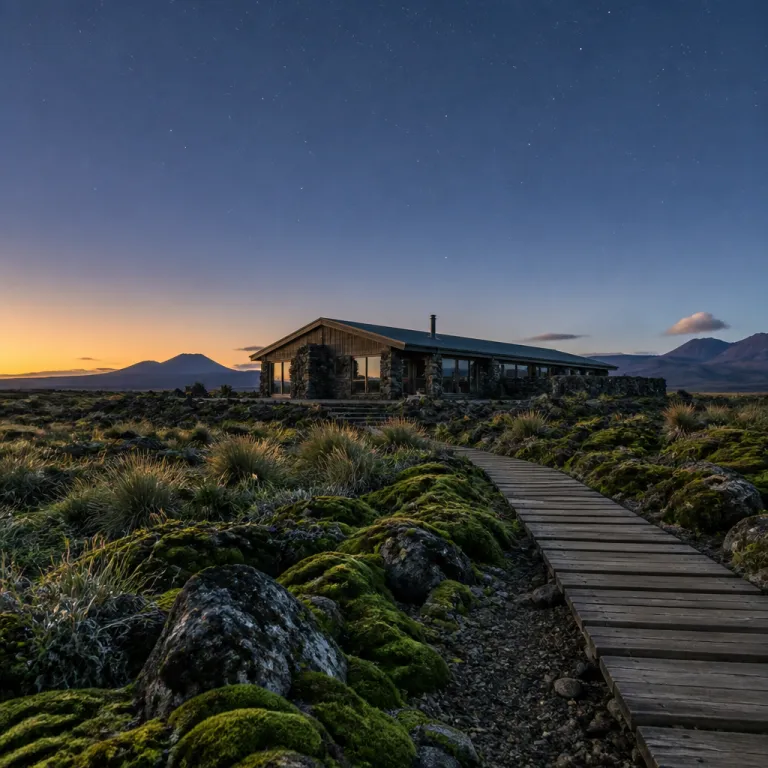
Why the Bolivian Altiplano is a world class dark sky stage
High on the Bolivian Altiplano, the air thins and the sky sharpens. At around 3,656 meters above sea level, the vast salar of Uyuni becomes one of the best natural observatories on Earth for serious stargazing and slow travel nights. This is where the idea of a bolivia stargazing dark sky lodge altiplano uyuni stay stops being a niche fantasy and becomes a very real, very bright proposition.
The Salar de Uyuni covers more than 10,582 square kilometers of blinding white salt flats, and that endless surface acts as both stage and mirror for the stars. With almost no light pollution, the night skies above the salar uyuni region reveal the Milky Way core, the Magellanic Clouds and the Southern Cross in a clarity that even seasoned astronomers call amazing. Local astro tourism collectives such as Noctis Astro and specialist Uyuni tours have built entire experiences around this combination of altitude, dry air and reflective salt water films that occasionally cover the flats.
For luxury travelers, the appeal is twofold ; the celestial spectacle and the rare sense of space. A well chosen lodge on the Altiplano gives you heated comfort, curated food great enough to match the view and professional guides who understand both the stars and bolivian Andean cosmology. When you plan a visit, focus on the dry season months, when clouds are scarce and each night offers a high probability of clear sky conditions.
Kachi Lodge and the new language of salt flat luxury
On the southern edge of the salar, Kachi Lodge has redefined what a bolivia stargazing dark sky lodge altiplano uyuni stay can look like. Its geodesic domes sit directly on the salt flats, so your front step opens onto a white horizon by day and a dome of stars by night. Transparent panels above the bed mean you can fall asleep watching the night skies without leaving your duvet or your oxygen enriched comfort zone.
Kachi Lodge works best for travelers who want the full salt flats immersion without sacrificing service, design or serious cuisine. The property’s team arranges private stargazing tours with telescopes, star maps and guides who can point out both constellations and bolivian Aymara stories woven into the sky. When a thin layer of water covers the salar uyuni surface, the reflection creates a perfect mirror, and the lodge can organize night photography sessions where the stars appear to float beneath your feet.
Days at Kachi Lodge are not only about astronomy ; you might hike to nearby islands, taste salt inspired dishes that prove how food great creativity can be at altitude or simply watch the sunset burn across the flats. If you are building a wider luxury itinerary that balances high desert with jungle humidity, pair your Uyuni stay with one of the luxury Amazon lodges beyond Madidi for a striking contrast in both sky and soundscape. In every season, the lodge’s careful lighting design keeps the immediate area dark enough that the Milky Way remains the main event.
Designing a stargazing focused Uyuni itinerary
Planning a bolivia stargazing dark sky lodge altiplano uyuni trip starts with timing. The dry season between May and November usually offers the clearest night skies, while new moon periods give the darkest canvas for the brightest stars. Local operators such as Ruta Verde Tours and the astro tourism collective Noctis Astro typically start their evening tours around 20:00, when the sky has fully deepened.
Most high end Uyuni tours combine daytime exploration of the salt flats with dedicated night sessions. You might spend the afternoon driving across the salar, visiting salt extraction areas and watching the sunset paint the flats in soft pinks before the real show begins. Once darkness falls, guides lead you out to a carefully chosen patch of salt or shallow water, switch off the vehicle lights and let your eyes adjust to the great sweep of the Milky Way overhead.
For hotel bookings, look for properties that explicitly mention stargazing excursions, telescopes or astronomy guides in their descriptions. Luna Salada Hotel, for example, has built a reputation for organizing structured night sky outings directly from its salt block walls. If you are aligning your trip with broader seasonal travel, consult resources such as hotels worth booking before peak season to secure the best rooms and guides well ahead of time.
From La Paz to Lake Titicaca: extending your dark sky circuit
Many travelers begin their bolivia stargazing dark sky lodge altiplano uyuni journey in La Paz, and that is a smart choice. The city’s altitude prepares your body for the higher salar, and the surrounding valleys already offer clearer night skies than most urban centers. When you read about paz bolivia in travel forums, you will often see references to rooftop terraces where the stars feel unexpectedly close.
From La Paz, a natural extension is Lake Titicaca, where Isla del Sol and smaller communities along the shore offer simple but atmospheric stays. Here the water becomes the reflective surface instead of salt, and the horizon line is broken only by distant peaks and the occasional fishing boat. On still nights, the stars shimmer on the lake, and the silence is so complete that even luxury travelers used to remote resorts pause and simply listen.
If you prefer to keep your focus on the Altiplano, consider combining Uyuni with other high plateau landscapes rather than rushing between too many regions. A carefully paced itinerary might include a few nights in paz bolivia, several nights on the salt flats and a final stay near Lake Titicaca to end with a softer, more contemplative sky. Throughout, choose lodges and hotels that respect dark sky principles, using low impact lighting and clear privacy policy statements about how they manage guest data for stargazing tours and photography bookings.
Practicalities: gear, comfort and choosing the right lodge
Conditions on the Altiplano can be harsh, even when your lodge is luxurious. Temperatures on the salar often drop below minus 10 degrees Celsius at night, so pack multiple warm layers, a windproof outer shell and insulated footwear. The contrast between the heated comfort of a high end lodge and the crisp air outside is part of the experience, but you want to step into that night sky prepared.
Astrophotography enthusiasts should bring a camera with full manual settings, a sturdy tripod and spare batteries that can handle the cold. Many Uyuni tours now include basic photography guidance, showing guests how to capture the Milky Way arching over the salt flats or reflected in thin water films. Some operators provide telescopes and binoculars, and as one common reassurance puts it, “Do I need to bring my own equipment for stargazing tours? Most tours provide necessary equipment, but check with your operator.”
When comparing lodges, look beyond the room photos and ask specific questions. Does the property offer guided stargazing every clear night, and do they coordinate with specialists such as Noctis Astro for deeper astronomy sessions ? How do they balance guest comfort, food great enough to linger over and minimal exterior lighting so that the stars remain the brightest feature of your bolivia stargazing dark sky lodge altiplano uyuni stay ? Reading each hotel’s privacy policy carefully also matters, especially if you are booking private tours, sharing passport scans or commissioning professional night sky photography.
FAQ: planning your Bolivian stargazing stay
What is the best time of year for stargazing in Uyuni?
The clearest skies for stargazing on the Salar de Uyuni usually occur during the dry season from May to November. Cloud cover is lower in these months, which means more consistent views of the Milky Way and surrounding constellations. If possible, align your bolivia stargazing dark sky lodge altiplano uyuni stay with a new moon period for the darkest night skies.
Are stargazing tours in Uyuni suitable for beginners?
Guided stargazing tours around Uyuni are designed for all experience levels, including complete beginners. Local guides explain the major constellations, point out visible planets and share bolivian Andean interpretations of the sky in accessible language. Many tours also provide basic photography tips so first time visitors can capture the stars above the salt flats.
Do I need to bring my own telescope or camera?
Most organized tours provide essential equipment such as telescopes, binoculars and star maps, though quality varies between operators. Serious photographers should bring their own camera, tripod and remote shutter to make the most of the salar uyuni reflections at night. Always confirm what is included before you book, and check whether your lodge can arrange premium gear through partners like Noctis Astro.
How cold does it get on the Salar de Uyuni at night?
Temperatures on the salt flats can drop well below freezing after sunset, often reaching minus 10 degrees Celsius or lower. Even if your lodge offers heated rooms and hot water bottles, you will need proper layers, gloves and a hat for time spent outside under the stars. Luxury properties such as Kachi Lodge typically provide extra blankets and warm drinks to keep guests comfortable during long stargazing sessions.
How can I combine Uyuni with other luxury stays in Bolivia?
A balanced itinerary might start in paz bolivia for acclimatization, continue with several nights on the Salar de Uyuni at a dedicated dark sky lodge and finish at Lake Titicaca or in wine country. For a contrasting landscape, consider pairing your Altiplano stay with high end properties in Tarija’s vineyards, using resources such as this guide to Bolivia’s highest vineyards and where to stay. This mix delivers both the intense clarity of the Altiplano night skies and the softer evenings of lower altitude regions.
References
Ruta Verde Tours ; Noctis Astro ; Luna Salada Hotel.