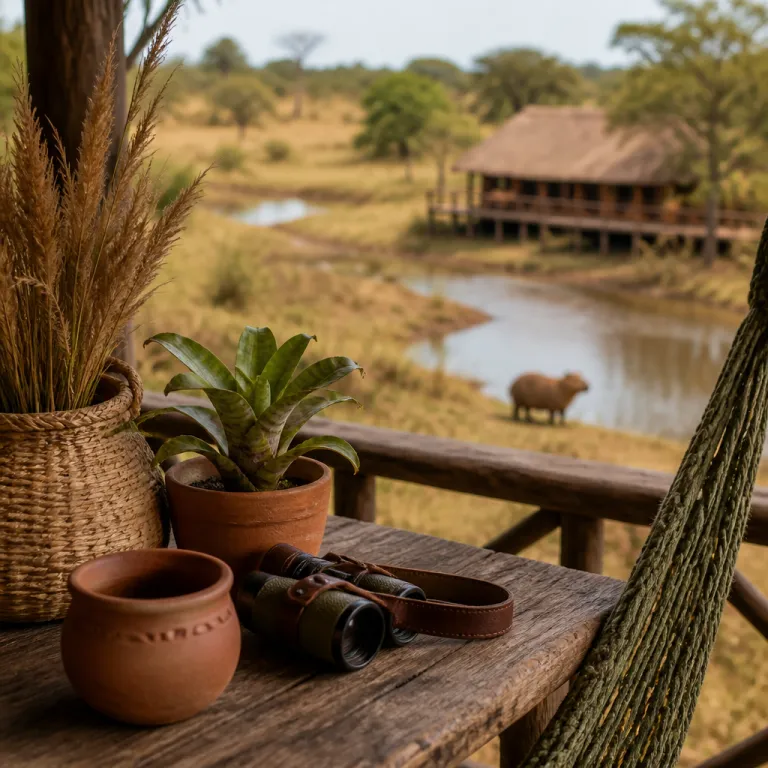
Luxury wildlife lodges in Bolivia’s most remote national parks
Why Bolivia is the last frontier for luxury wildlife lodges
Bolivia sits quietly between better known neighbors, yet its national parks hold some of the wildest high-end wildlife experiences in South America. For travelers searching for a Bolivia wildlife safari with intimate lodges inside or near national parks, the country offers rare solitude, serious wildlife and a handful of carefully placed properties rather than crowded resorts. This is where a single night beside a remote river can feel more exclusive than a week in a city hotel.
In the far east of Bolivia, Kaa-Iya del Gran Chaco National Park and Noel Kempff Mercado National Park form a vast mosaic of dry forest, rainforest and river carved escarpments. Each park protects elusive wildlife such as jaguars, pumas and giant armadillos, and both reward guests who value expert guiding and conservation impact over marble lobbies. When you book a lodge here, you are buying into a conservation story as much as a room with a view.
Unlike the more accessible Bolivian Amazon around Rurrenabaque and the famous Madidi National Park, these two parks remain largely off the grid. That remoteness is the real luxury for solo explorers who want a Bolivia wildlife safari in a secluded national park setting without the crowds that now shape parts of the wider Amazon. You will trade easy spa access for long river journeys, but the payoff is a sense of genuine expedition that few destinations in South America can still offer.
Noel Kempff Mercado: lost world plateaus and riverfront lodges
Noel Kempff Mercado National Park stretches over more than 15,000 square kilometres, a protected area larger than many countries. The park’s sandstone mesas rise abruptly from the rainforest, creating the kind of “lost world” scenery that inspired Arthur Conan Doyle and still defines the dream of a remote luxury wildlife lodge in Bolivia. Here, the indulgence is waking to macaws over the river rather than to traffic outside a city hotel in La Paz.
In the north of the park, Flor de Oro Lodge offers one of the most comfortable bases for wildlife focused travelers. This lodge sits on a bend of the Iténez river, with simple but well kept rooms, a generous dining room and access to boat based tours that run for several days at a time. Guests often spend three to five nights here, using the lodge as a hub for full day excursions to waterfalls, rainforest plateaus and remote wildlife observation points.
Further south, Los Fierros Lodge provides a more rustic but strategically placed option inside Noel Kempff. Both lodges operate with an ecolodge mindset, using solar power where possible and working closely with park authorities to minimise impact on the surrounding rainforest. For timing your stay, consider the dry season from May to October, when charter flights from Santa Cruz (about two to three hours depending on aircraft and routing) and 4x4 access are more reliable and when clear skies pair well with an August in Bolivia luxury itinerary that links the lowlands with the high Andean plateau.
Kaa-Iya del Gran Chaco: big cats, big distances, minimal infrastructure
Kaa-Iya del Gran Chaco National Park is South America’s largest protected dry forest, and it feels every kilometre of that scale. The park lies southeast of Santa Cruz, reached by long 4x4 drives that immediately set a more expeditionary tone than a typical luxury nature break in Bolivia. Here, the focus is on big mammals, long horizons and the kind of silence that makes every rustle in the jungle sound significant.
There are no classic luxury lodges inside Kaa-Iya, only basic ranger stations, temporary fly camps and a few simple lodge style shelters used by specialist operators such as Nicks Adventures Bolivia or Moxos Tours. The comfort level is closer to a well organised field camp than to a polished ecolodge in the Bolivian Amazon, but the wildlife rewards can be exceptional for patient guests. Jaguars, pumas, tapirs and giant armadillos move through this dry forest, and expert guides use years of tracking experience rather than crowdsourced tips to plan your full day drives and night safaris.
Access usually starts in Santa Cruz, where you will meet your guide, stock up on supplies and then drive for many hours to the park boundary. Most overland approaches take between eight and twelve hours depending on weather and road conditions, with sections on rough dirt tracks. This is where planning your May to October window matters, and a dry season luxury itinerary helps you combine Kaa-Iya with more comfortable nights in La Paz or on the salt flats. For the right traveler, the absence of a conventional hotel is not a drawback but the purest expression of a Bolivia wildlife safari built around exclusivity and guide quality rather than thread count.
Madidi, Rurrenabaque and the Bolivian Amazon: softer edges, serious wildlife
While Kaa-Iya and Noel Kempff define the frontier, many travelers start with the more accessible Bolivian Amazon around Rurrenabaque. This small river town sits on the Beni river and serves as the main gateway to Madidi National Park and the surrounding rainforest. Flights from La Paz take around 40 to 50 minutes on small aircraft, keeping travel times manageable and making it easier to fit a Bolivia wildlife safari lodge stay into a shorter itinerary.
From Rurrenabaque, boats head up the Tuichi river into the heart of the Madidi jungle, where a cluster of respected ecolodge projects operate. Sadiri Lodge, Chalalán Ecolodge and Mashaquipe Ecolodge each offer different takes on the luxury Amazon idea, balancing comfortable cabins, mosquito netted beds and good dining rooms with community ownership and low impact design. Many itineraries combine three nights in the rainforest with two days in the nearby pampas del Yacuma wetlands, marketed as del Yacuma or pampas del Yacuma tours, to maximise wildlife variety.
Madidi itself is one of the most biodiverse protected areas in South America, and the phrase “Madidi National Park” carries real weight among conservationists. The community of San José de Uchupiamonas co owns Chalalán Ecolodge, and their long term stewardship has turned this remote lodge into a reference point for sustainable tourism in Bolivia. When you plan your Bolivia Madidi stay, you will find that the best tours run for several days, giving you time for full day hikes, night walks and quiet hours on the river watching wildlife move through the rainforest canopy.
From salt flats to Santa Cruz: stitching together a luxury wildlife circuit
Bolivia rewards travelers who think in ecosystems rather than in single destinations. A smart Bolivia wildlife safari itinerary might start on the Uyuni salt flats, continue through La Paz and then drop into the Bolivian Amazon or the eastern lowland parks. That contrast between mirror bright salt flats and dense jungle is what makes the country feel so much larger than its borders suggest.
In La Paz, you can reset in a high end hotel before flying to Santa Cruz or Rurrenabaque for your rainforest segment. Families or solo travelers who want a softer landing can look at curated Bolivia family resorts and luxury stays before committing to several nights in a remote lodge. From Santa Cruz, you will either charter a plane toward Noel Kempff, join a 4x4 convoy toward Kaa-Iya or head north toward the more classic Bolivian Amazon experiences.
San José and other lowland towns act as staging posts, but the real narrative unfolds once you leave paved roads behind. A typical circuit might link a few nights in a salt hotel with a stay in La Paz, then move on to a luxury Amazon style ecolodge such as Sadiri Lodge or Mashaquipe Ecolodge before finishing with a more rugged camp near Kaa-Iya. Throughout, the constant is Bolivia itself, a country where every river bend, national park boundary and jungle trail feels like a reminder that South America still has space for genuine exploration.
What luxury means in Bolivia’s most remote parks
Luxury in Kaa-Iya and Noel Kempff does not mean infinity pools and pillow menus. It means a well briefed guide, a safe boat on a fast river and a dining room where you can eat a hot meal while listening to the rainforest outside. For many solo explorers, that balance of comfort and immersion defines the ideal Bolivia wildlife safari experience in these national parks.
Flor de Oro Lodge and Los Fierros Lodge in Noel Kempff, along with the more established Sadiri Lodge, Chalalán Ecolodge and Mashaquipe Ecolodge in the Madidi jungle, all prioritise conservation and community partnerships. They operate as ecolodge style properties, using local staff, sourcing food from nearby communities and supporting park management through fees and logistics. Over several nights, you will notice that the real luxury is time, whether spent on a full day hike to a plateau or on a slow boat along the Tuichi river watching wildlife along the banks.
As one practical note from operators in the region puts it, “Jaguars, pumas, giant otters, and diverse bird species.” That short list captures the headline wildlife, but the deeper story lies in the intact habitats that still surround these lodges. When you choose a Bolivia Madidi or Noel Kempff itinerary over a more crowded Amazon alternative elsewhere in South America, you are voting for national parks where the human footprint remains light and where your presence, handled carefully, can help keep it that way.
Planning, safety and choosing the right operator
Remote parks demand more planning than a standard city break, and Bolivia is no exception. For Kaa-Iya and Noel Kempff, you will need to book well ahead, coordinate charter flights or 4x4 logistics from Santa Cruz and accept that weather can still reshape your plans. The reward is access to national park areas where you may not see another traveler for days.
When comparing operators, look closely at how many nights they recommend in each lodge and how they structure their tours. Serious wildlife itineraries rarely rush, instead building in full day walks, river journeys and night outings that increase your chances of meaningful sightings. Ask specific questions about guide experience in Kaa-Iya, Noel Kempff and Madidi National Park, and about how they work with communities such as San José de Uchupiamonas around Chalalán Ecolodge.
Packing should reflect both jungle and dry forest conditions, with light clothing for the day, warmer layers for night boat rides and robust insect protection. Remember that you are entering environments where the nearest hotel in La Paz or Santa Cruz may be hundreds of kilometres away, so medical kits and communication equipment matter as much as camera gear. With the right preparation, your Bolivia wildlife safari through these remote parks will feel less like a packaged tour and more like a carefully supported expedition through some of the most compelling landscapes in South America.
Key figures for Bolivia’s remote wildlife parks
- Noel Kempff Mercado National Park covers about 15,234 square kilometres, making it one of Bolivia’s largest protected areas and a core destination for extended wildlife lodge itineraries (area figure from UNESCO World Heritage Centre and Bolivia’s Servicio Nacional de Áreas Protegidas).
- More than 600 bird species have been recorded in Noel Kempff, a density that places the park among the most important bird watching sites in South America (bird data compiled by BirdLife International and park management plans).
- Bolivia hosts over 1,400 bird species nationwide, which means that a well planned circuit linking Madidi National Park, Noel Kempff and Kaa-Iya can rival more famous Amazon countries for ornithological diversity (figures drawn from national checklists used by eBird and local ornithological societies).
- The dry season from May to October offers the best road and airstrip conditions for accessing Kaa-Iya and Noel Kempff, and many operators schedule the majority of their nights in these parks during this window.
- Charter flights from Santa Cruz to airstrips near Noel Kempff significantly reduce travel time compared with overland routes, turning what could be several days of driving into a journey of a few hours, depending on aircraft type and weather.
Frequently asked questions about luxury wildlife lodges near Kaa-Iya and Noel Kempff
What level of comfort can I expect at lodges near Noel Kempff?
Flor de Oro Lodge and Los Fierros Lodge offer comfortable but not overly opulent stays, with private rooms, hot showers when generators run and a communal dining room serving hearty meals. You should expect clean, functional accommodation rather than urban luxury, but with excellent access to river and rainforest excursions. The real premium lies in location, guiding and the small number of guests sharing a vast national park.
How do I reach Kaa-Iya del Gran Chaco National Park?
Access to Kaa-Iya usually involves a long 4x4 journey from Santa Cruz, often taking a full day or more depending on road conditions. There are no scheduled flights into the park, and infrastructure is limited to ranger stations and temporary camps used by specialist operators. This remoteness is part of the appeal for travelers seeking a Bolivia wildlife safari style experience focused on big cats and dry forest wildlife.
Is Madidi National Park a good alternative if I want more comfort?
Madidi National Park, accessed via Rurrenabaque, offers a softer landing thanks to established ecolodge projects such as Sadiri Lodge, Chalalán Ecolodge and Mashaquipe Ecolodge. These lodges provide private cabins, mosquito nets, good food and structured tours while still immersing you in dense rainforest and rich wildlife. For many travelers, combining Madidi with a shorter visit to Kaa-Iya or Noel Kempff balances comfort and adventure.
When is the best time to visit these parks for wildlife?
The dry season from May to October is generally best for Kaa-Iya and Noel Kempff, as roads and airstrips are more reliable and wildlife tends to concentrate near remaining water sources. In the Bolivian Amazon around Madidi, this period also brings clearer skies and fewer mosquitoes, which improves both comfort and visibility on river tours. Shoulder months at the start and end of the dry season can offer fewer visitors while still maintaining workable conditions.
What wildlife can I realistically expect to see?
Across Kaa-Iya, Noel Kempff and Madidi, you can expect to see a wide range of birds, monkeys, caimans and smaller mammals on most trips. Sightings of jaguars, pumas and giant armadillos are never guaranteed, but patient travelers on multi day itineraries have a reasonable chance, especially in Kaa-Iya and along quieter stretches of river. In the Madidi jungle and the pampas del Yacuma wetlands, giant otters, pink river dolphins and large flocks of macaws are among the more frequent highlights.