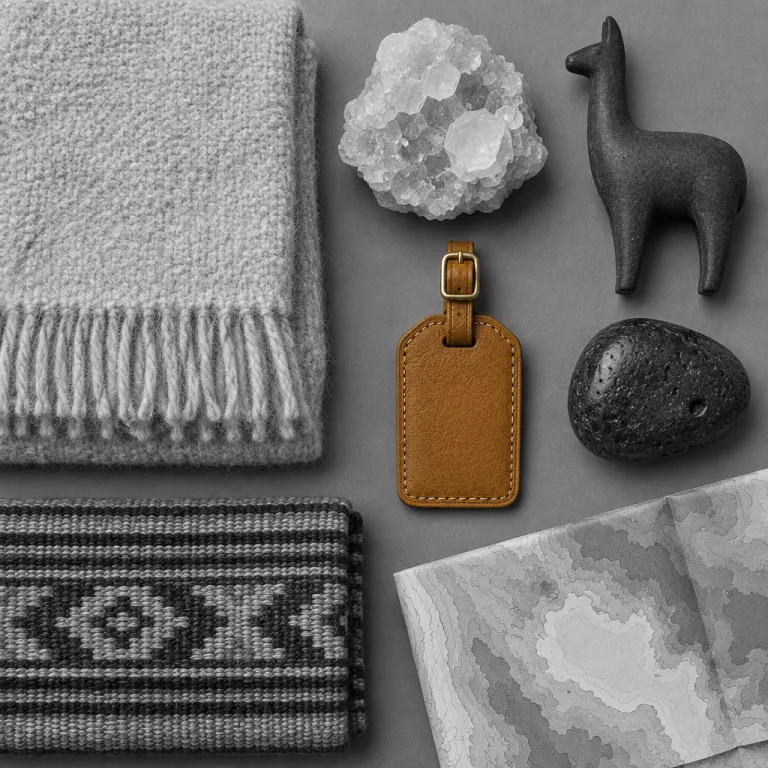
Bolivia travel for luxury guests seeking iconic high altitude cities
Bolivia travel rewards people who appreciate dramatic landscapes and refined hospitality. In this landlocked South American country, luxury hotels concentrate around La Paz, where high altitude views meet sophisticated urban culture. Many travellers will combine La Paz with other regions during a longer trip Bolivia itinerary, often linking the city with Uyuni, Lake Titicaca, or Santa Cruz.
La Paz sits between 3 200 and 4 000 metres above sea level, so every Bolivia travel plan should factor in acclimatisation and the real risk of altitude sickness. Sensible travel advice is to schedule an easy first day, drink plenty of water, and avoid heavy meals or alcohol while your body adjusts. A single, well prepared strategy matters more than constant worry: talk to your doctor before departure if you have heart or lung conditions, recognise early symptoms such as headache or nausea, and descend or seek medical help promptly if they worsen.
Upscale hotels in La Paz often blend contemporary design with Bolivian heritage, using local textiles, carved wood, and subtle references to coca leaves rituals. Guests who travel Bolivia for culture can arrange private visits to the historic centre, cable car rides above El Alto, and curated restaurant reservations focusing on Andean ingredients. When you visit Bolivia for business, these same properties provide quiet executive floors, reliable Wi Fi, and chauffeured transfers that prioritise safety in busy city traffic, especially around districts such as Sopocachi and the Zona Sur.
Santa Cruz de la Sierra and the tropical side of bolivia travel
On the opposite side of the country, Santa Cruz de la Sierra offers a warmer, lower altitude counterpoint to La Paz. Many people will start or end their travel Bolivia journey here, especially when they prefer lush gardens and poolside relaxation over mountain vistas. Luxury hotels in Santa Cruz focus on spacious suites, resort style pools, and attentive service that didn’t always exist in this once sleepy regional town, with brands such as Marriott and Camino Real now setting higher standards.
Because Santa Cruz lies under 500 metres above sea level, travellers escaping La Paz’s high altitude often feel immediate relief. This tropical city is also a practical place to check yellow fever vaccination requirements, especially if your trip Bolivia includes Amazonian lodges or cross border extensions elsewhere in South America. Before you travel, confirm with local authorities and your embassy whether a yellow fever vaccination certificate will be requested on arrival or when continuing to another America destination, since rules can change with little notice.
For curated hotel options and neighbourhood guidance, many readers consult a refined Santa Cruz city guide for luxury stays, such as refined stays in Santa Cruz de la Sierra. These resources highlight which place suits business travellers, which properties excel at family stays, and where safety standards are strongest. When planning Bolivia travel, this helps people choose between central addresses near the business district and quieter residential areas that feel more like a private resort.
Uyuni salt flats and luxury stays around salar de Uyuni
For many people, the highlight of Bolivia travel is a night beside the Uyuni salt flats. The salar de Uyuni, often called simply Uyuni salt, stretches over more than 10 000 square kilometres and creates surreal reflections during the rainy season. Luxury lodges around this place now offer heated rooms, fine dining, and expert guides, transforming what didn’t long ago feel like an expedition into a comfortable high end experience, especially at properties built largely from salt blocks.
Because the salar Uyuni region sits above 3 600 metres sea level, travellers must again consider high altitude effects and the associated risk. Plan at least one acclimatisation day in La Paz or another Andean city before flying to Uyuni, and drink plenty of water during your trip Bolivia circuit. Responsible operators provide oxygen, trained guides, and clear travel advice about pacing activities, which significantly improves overall safety for guests who visit Bolivia for the first time and may be unfamiliar with thin air.
Choosing the right property matters, since distances are large and weather can change quickly over the salt flats. A specialised guide to luxury stays around the salar de Uyuni helps people compare lodges built with salt blocks, eco focused retreats, and more classic hotels in Uyuni town. When you travel Bolivia with a private driver, staying closer to the salar allows sunrise and sunset outings that will elevate your Bolivia travel memories far beyond a standard day tour.
Lake Titicaca, isla del Sol, and refined lakeside retreats
Northwest of La Paz, Lake Titicaca offers a gentler side of Bolivia travel, with deep cultural roots and serene water views. The lake sits at around 3 810 metres sea level, so people still need to respect high altitude conditions, even if the atmosphere feels calmer than in the capital. Luxury hotels on the Bolivian shore often position rooms to frame sunrise over the water, creating a tranquil start to each day of your trip and pairing views with fireplaces or heated floors.
From Copacabana, boats cross to Isla del Sol, the island considered a sacred place in Andean cosmology. Some travellers choose refined ecolodges on the isla del Sol itself, while others prefer to stay on the mainland and visit Bolivia’s islands on guided excursions. Either way, you will encounter local communities, terraced hillsides, and traditional agriculture that didn’t change much despite the growth of South America tourism, particularly around small villages such as Yumani.
Because Lake Titicaca lies near the Peru border, people sometimes combine travel Bolivia with a wider South America circuit. In such cases, check visa regulations carefully, since entry rules can differ by nationality and may change with little warning from local authorities. Comprehensive travel insurance remains essential here, covering medical evacuation from high altitude regions and any unexpected trip interruptions linked to weather or transport issues on the water.
Health, safety, and practical travel advice for luxury stays
Thoughtful Bolivia travel planning goes beyond choosing a beautiful hotel; it also means understanding health and safety realities at high altitude. The combination of La Paz, Uyuni, and Lake Titicaca exposes people to elevations well above 3 000 metres sea level, where dehydration and altitude fever can appear suddenly. Luxury properties increasingly work with local medical professionals to reduce risk, but guests still need to listen to their bodies and slow down if they feel unwell during the trip, especially when climbing stairs or walking uphill.
Yellow fever vaccination requirements can confuse travellers, because they vary depending on your previous travel history and onward destinations in America. If your itinerary includes Amazonian regions or neighbouring countries, consult official travel advice from your government and confirm details with Bolivian local authorities before departure. Carry your fever vaccination certificate in both physical and digital form, since some border officials will request proof even when you didn’t expect strict checks.
Comprehensive travel insurance is non negotiable for Bolivia travel, especially when visiting remote places like salar Uyuni or Isla del Sol. Policies should cover emergency evacuation, high altitude related treatment, and cancellations linked to weather or political events that can occasionally affect the country. When you travel Bolivia in comfort, a good insurer and a reliable hotel concierge together provide a safety net that lets you focus on the experience rather than potential problems.
How to choose the right luxury hotel in each bolivian region
Selecting the ideal property for Bolivia travel starts with clarifying your priorities. Some people will value spa facilities, heated pools, and gourmet dining, while others care more about authentic Bolivian design, proximity to key sights, or discreet security measures. In every place, from La Paz to Santa Cruz and Uyuni, the best hotels didn’t appear by chance; they invested heavily in staff training and infrastructure, often partnering with local tour operators for seamless experiences.
In La Paz, focus on neighbourhood safety, altitude friendly amenities, and easy access to the cable car network. For Santa Cruz, consult a detailed refined city guide for luxury stays to compare urban resorts, business focused towers, and quieter garden properties. Around Uyuni salt flats, prioritise insulation, heating, and experienced guides who understand both the salar Uyuni environment and the expectations of high end guests travelling across South America.
Wherever you visit Bolivia, read recent guest feedback with a critical eye, paying attention to comments about water pressure, Wi Fi reliability, and responsiveness when something didn’t go as planned. Direct communication with the hotel before booking often reveals how well the team handles special requests, from dietary needs to private excursions. This approach to travel Bolivia ensures that your chosen property aligns with your expectations, your safety standards, and the unique demands of high altitude travel in this remarkable country.
Key figures for luxury and premium travel in bolivia
- According to the Bolivian Ministry of Cultures and Tourism, international tourist arrivals surpassed 1.2 million visitors in 2018, with a significant share combining La Paz, Uyuni, and Lake Titicaca in a single trip (see Ministerio de Culturas y Turismo, Anuario Estadístico de Turismo 2019).
- La Paz El Alto International Airport sits at roughly 4 061 metres above sea level, making it one of the highest commercial airports worldwide and increasing the importance of acclimatisation for arriving passengers (airport elevation data referenced by the International Civil Aviation Organization in 2023).
- The salar de Uyuni covers more than 10 000 square kilometres, which is larger than many small European countries and explains why guided excursions are strongly recommended for safety and orientation (surface area estimates compiled by Bolivia’s National Institute of Statistics and cited in 2020 tourism reports).
- Lake Titicaca’s surface elevation of about 3 810 metres sea level means that even lakeside walks qualify as high altitude activity, reinforcing the need for gradual exertion and adequate hydration (altitude figures widely reported in regional geographic surveys updated in 2022).
- World Bank data shows that tourism contributed around 4–5 percent to Bolivia’s GDP in the late 2010s, and the luxury segment has grown steadily as new high end properties open in La Paz, Santa Cruz, and Uyuni (World Bank, World Development Indicators, accessed 2023).
FAQ about luxury bolivia travel
Is bolivia safe for luxury travellers who focus on cities and major sights ?
Most luxury travellers experience Bolivia as a safe country when they stay in reputable hotels, use registered transport, and follow standard urban precautions. La Paz, Santa Cruz, and Uyuni have well established high end properties that prioritise guest security. As always in South America, keep valuables discreet and follow current travel advice from your government.
Do I need a visa and yellow fever vaccination to visit bolivia ?
Visa requirements depend on your nationality, and some travellers can enter Bolivia visa free for short stays, while others must apply in advance. Yellow fever vaccination is generally recommended if you plan to visit Amazonian regions or arrive from another fever risk country. Check official guidance from your embassy and confirm details with Bolivian local authorities before finalising your trip.
How should I prepare for high altitude in La Paz, Uyuni, and Lake Titicaca ?
Spend your first day at high altitude resting, drinking water, and eating lightly, even if you feel fine. Avoid alcohol and intense exercise until you understand how your body responds to elevations above 3 000 metres sea level. Many luxury hotels offer oxygen, coca leaves tea, and access to medical support if symptoms of altitude fever appear.
Is travel insurance really necessary for a short luxury trip bolivia itinerary ?
Comprehensive travel insurance is strongly recommended, even for short Bolivia travel focused on premium hotels. Policies should cover medical treatment, emergency evacuation from remote places like salar Uyuni, and cancellations linked to weather or transport disruptions. High altitude and long internal distances make robust coverage a sensible investment.
When is the best time of year to visit the Uyuni salt flats in comfort ?
The dry season offers easier driving conditions and clear skies, while the rainy months can create the famous mirror effect on the Uyuni salt surface. Luxury travellers often choose shoulder periods to balance weather, crowd levels, and hotel availability. Whatever the month, book early, since premium lodges around the salt flats have limited rooms and fill quickly.