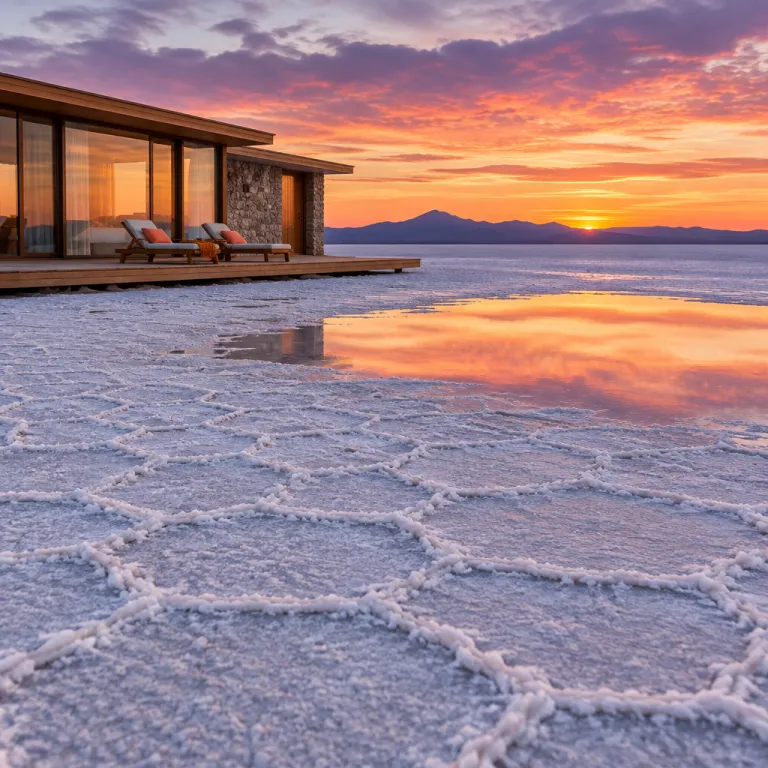
Why the salar de uyuni salt flats define luxury travel in Bolivia
The salar de uyuni salt flats create one of the most dramatic landscapes in Bolivia. This immense salar stretches over a perfectly white salt crust that feels endless, especially when you travel across it at sunrise. In the far south of the Altiplano, the flats meet volcanoes, colored lagoons, and a desert horizon that reshapes any idea of a classic luxury trip.
For many travelers, Uyuni in south Bolivia is the gateway to the largest salt expanse in South America. The town of Uyuni Bolivia is small yet strategic, because every serious flats tour, private day tour, and multi day itinerary starts or ends here. High end hotels and refined salt hotel properties such as Palacio de Sal or Luna Salada now frame the edge of the salt flats, so you can visit salar landscapes by day and return to heated suites with curated food wine pairings at night.
Luxury travel here is not about marble lobbies but about privileged access to the salar Uyuni environment. A well designed Uyuni salt experience will include the train cemetery at the edge of town, a carefully timed visit to the reflective lake like surface during the rainy season, and a contrasting excursion during the dry season when the salt polygon patterns are sharp. As one local guide from a long running operator likes to say, “the real luxury is hearing your own footsteps on the salt when everyone else has gone.” The best tours balance comfort and safety at high altitude with flexible timing, so you can enjoy the desert silence when the day crowds have gone.
Choosing the right season and time for your Uyuni salt experience
Planning when to visit the salar de uyuni salt flats is the single most important decision for a premium stay. From roughly May to October, the dry season reveals the geometric crust of the salt flat, which is ideal for 4x4 flats tour routes and stargazing. During the wetter months, the rainy season transforms parts of the salar into a shallow lake that mirrors the sky and creates the famous infinity effect.
Each season offers distinct advantages for luxury travelers who value comfort and exclusivity. In the dry season, roads are more predictable, so high end tours can reach remote corners of the Uyuni salar and nearby desert lagoons in fewer hours per day. In the rainy season, carefully planned day tours focus on safe sections of the salt flats where water depth is manageable, and your driver guide will adjust the time on the lake surface to protect both the vehicle and your schedule.
Shoulder months around the main tourist season often provide the best balance between weather, crowd levels, and price. Luxury travelers looking for refined experiences and value can benefit from dedicated advice on Bolivia’s shoulder season deals for high end travelers, which you can explore through this guide on Bolivia’s shoulder season offers for luxury travelers. Whether you plan a short trip focused only on Uyuni Bolivia or a longer journey across south America that also includes Lake Titicaca and northern Chile, aligning your visit salar dates with the right season will define the quality of your stay.
Where to stay: premium salt hotels and desert lodges
Staying in a carefully designed salt hotel on the edge of the salar de uyuni salt flats is a highlight for many guests. These properties use blocks of Bolivia salt for walls and furniture, yet they now combine this local material with underfloor heating, high thread count linens, and curated Andean food wine menus. The best options sit close enough to the salt flat for sunrise access, while remaining slightly elevated to avoid flooding during the rainy season.
In the south of the region, desert lodges near the Eduardo Avaroa Andean Fauna National Reserve offer a different type of luxury. Here, multi day tours link the Uyuni salt flats with high altitude lakes, flamingo filled lagoons, and the surreal Dali desert on the way toward Chile and San Pedro de Atacama. Rooms are often more minimal because of the remote setting, yet premium properties focus on excellent insulation, oxygen support on request, and warm communal spaces where guests share travel stories after a long day.
Night experiences are a major reason to choose an upscale stay around Uyuni salt landscapes. Some lodges and hotels now design specific dark sky programs, and you can read more about these in this dedicated feature on stargazing and dark sky stays on the Bolivian Altiplano. Whether you sleep in a refined salt hotel near Uyuni Bolivia or a remote desert lodge toward the Chile border, the combination of altitude, clear skies, and the reflective salt flat creates some of the most impressive night skies in south America.
Designing a luxury itinerary: from train cemetery to Lake Titicaca
A thoughtful luxury itinerary around the salar de uyuni salt flats usually starts with a night in Uyuni Bolivia. On the first day, many guests visit the historic train cemetery, where rusted locomotives sit on the desert flat just outside town, then continue to the salt flats for sunset. This gentle start allows your body to adjust to altitude while still enjoying a full day tour with private guiding and flexible timing.
From Uyuni, you can extend your trip south toward the colored lagoons and the border with Chile. Multi day tours often cross the Bolivia salar region, visit salar viewpoints, and then continue through the Siloli desert toward San Pedro de Atacama, linking two of the most iconic high desert hubs in south America. Another elegant option is to travel north after your Uyuni salt experience, flying or driving toward La Paz and then continuing to Lake Titicaca for a contrasting lake based stay with refined lodges on the islands.
High end travelers often combine the largest salt expanse on earth with other Bolivian highlights to create a coherent narrative. One popular route pairs the salar Uyuni region with the wine valleys around Tarija, where you can enjoy high altitude vineyards and sophisticated food wine experiences, as detailed in this guide to Bolivia’s highest vineyards and where to stay. Whether you focus on a three day flats tour or a longer ten day journey that includes Lake Titicaca and the desert border with Chile, working with a specialist in Bolivia salt itineraries will ensure that transfers, acclimatization, and hotel standards align with your expectations.
Practical tips for premium tours on the Uyuni salt flats
Choosing the right operator for your salar de uyuni salt flats experience is crucial when you value comfort and safety. Look for companies that operate modern 4x4 vehicles, limit passenger numbers per car, and offer private tours with flexible departure time options. A serious provider will also brief you clearly on altitude, weather, and clothing, especially if your trip includes both the salt flat and the higher desert passes toward Chile.
For a refined experience, consider at least a two or three day tour rather than a rushed single day visit. Multi day itineraries allow you to see the Uyuni salt flats at different times of day, including sunrise, midday, and sunset, and to explore nearby islands, caves, and lagoons without feeling hurried. They also give you time to enjoy your salt hotel facilities, from spa treatments to carefully prepared food wine pairings that showcase Bolivian quinoa, llama, and Andean tubers.
Weather and road conditions can change quickly on the Altiplano, especially between the dry season and the rainy season. A premium operator will adjust the route to keep you safe, perhaps focusing more on the elevated edges of the Bolivia salar when water levels on the lake like surface are high. Always confirm what is included in your flats tour, from entrance fees to the train cemetery to oxygen support and hot drinks, so that your Uyuni salt experience feels seamless from the first day to the last.
Health, safety, and sustainability on the Bolivian Altiplano
Traveling to the salar de uyuni salt flats means spending time at altitudes often above 3 600 metres. Luxury hotels and high end tours are increasingly attentive to acclimatization, offering oxygen on request, slower first day schedules, and advice on hydration and light food. When your trip also includes higher passes toward Chile or remote desert lagoons in the south, these precautions become even more important.
Responsible travel is now central to premium experiences in Uyuni Bolivia and across south America. The Uyuni salar region is both a fragile ecosystem and a working landscape where communities harvest Bolivia salt and welcome visitors to small villages on the edge of the salt flat. Choosing operators that limit vehicle numbers on sensitive areas of the salt flats, manage waste carefully, and support local guides will help preserve the lake like surface and desert surroundings for future travelers.
Luxury travelers can also contribute by making thoughtful choices about season, route, and accommodation. Staying in established salt hotel properties that treat wastewater correctly, avoiding driving on flooded sections of the salar Uyuni during the peak of the rainy season, and respecting local customs in villages around the Bolivia salar all make a difference. With careful planning, your visit salar experience can combine comfort, safety, and a positive impact on the communities that call this remarkable salt flat home.
Key figures about the salar de uyuni salt flats
- The salar de uyuni salt flats cover roughly 10 500 square kilometres, making them the largest salt flat on earth and a central attraction for Bolivia’s highland tourism (area based on data from Bolivia’s National Institute of Statistics and geographic surveys).
- Altitude on the Uyuni salt flats averages about 3 656 metres above sea level, which is higher than many peaks in Europe and requires careful acclimatization for travelers (elevation reported by Bolivian geographic institutes and international mapping services).
- Tourism to Uyuni Bolivia and the surrounding salar region has grown steadily, with pre pandemic estimates of more than 300 000 visitors per year, many combining the flats tour with Lake Titicaca or San Pedro de Atacama in Chile (figures referenced by regional tourism boards and Bolivia’s Ministry of Cultures and Tourism, including reports around 2018–2019).
- During the rainy season, only a portion of the salar Uyuni surface is covered by water, often just a few centimetres deep, yet this is enough to create the mirror effect that has made the lake like salt flats famous worldwide (reported consistently by local tour operators and meteorological bulletins).
- Average daytime temperatures on the Bolivia salar can range from around 12 degrees Celsius in the cooler months to more than 20 degrees Celsius in warmer periods, while night temperatures can drop below freezing even in the dry season (climate data compiled by the Bolivian National Meteorology and Hydrology Service and summarized in recent climatological bulletins).
FAQ about luxury stays on the salar de uyuni salt flats
How many days do I need for a luxury Uyuni salt experience ?
For a premium trip, plan at least two or three days around the salar de uyuni salt flats. This allows one full day tour on the salt flat itself and another day to explore nearby lagoons, caves, or the train cemetery without rushing. Travelers combining Uyuni Bolivia with Chile or Lake Titicaca often extend to four or five days to include cross border desert routes.
Is it better to visit in the dry season or rainy season ?
The dry season offers easier driving conditions, clear polygon patterns on the salt flat, and excellent stargazing. The rainy season, when water turns parts of the salar Uyuni into a reflective lake, is ideal for photography but can limit access to some areas. Luxury travelers often choose shoulder months to balance weather, reflections, and comfort.
Are salt hotels comfortable enough for high end travelers ?
Modern salt hotel properties around Uyuni salt landscapes now offer heated rooms, quality bedding, and refined food wine menus that meet premium expectations. Many also provide private guides, spa services, and tailored day tours onto the salt flats. When booking, check recent guest feedback and confirm which facilities are available during your chosen season.
Can I combine Uyuni with San Pedro de Atacama in one trip ?
Yes, many multi day tours link the Bolivia salar region with San Pedro in Chile through the high desert of the Eduardo Avaroa reserve. These routes cross colored lagoons, geysers, and remote passes, so they are best done with experienced operators and at least three days of travel time. Luxury itineraries often start in Uyuni Bolivia and end in Chile, or the reverse, depending on international flight connections.
Is visiting the salar de uyuni salt flats safe at high altitude ?
Most healthy travelers manage the altitude well with proper acclimatization, hydration, and a calm first day. Choosing reputable tours that monitor guests, carry oxygen, and adapt routes between the dry season and rainy season further reduces risk. If you have heart or respiratory conditions, consult a doctor before planning your trip to the Uyuni salar and surrounding desert.