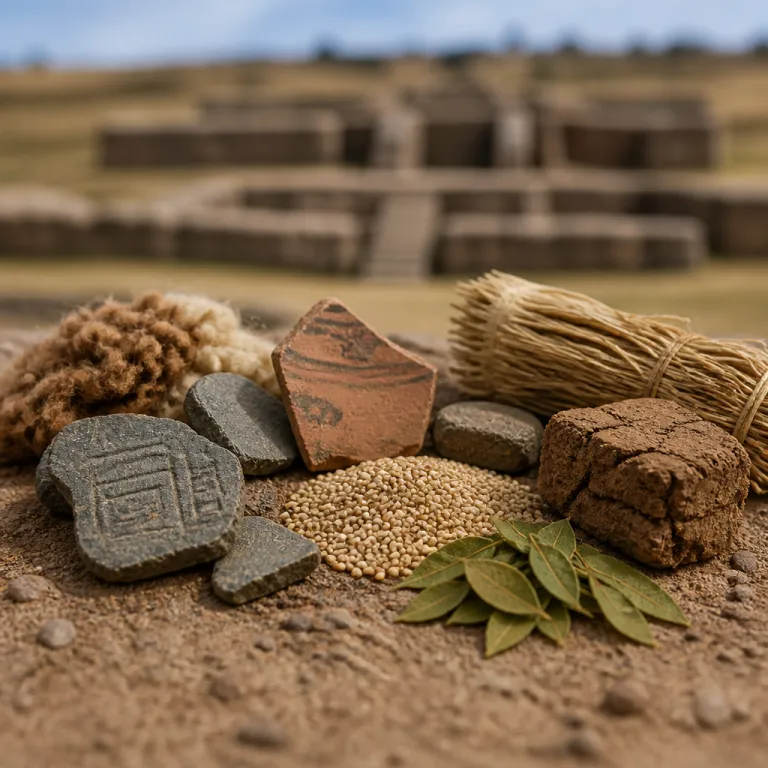
Tiwanaku ruins Bolivia visit luxury guide for serious travelers
Tiwanaku sits on the Altiplano west of La Paz, a vast plateau where light feels almost architectural. This Tiwanaku ruins Bolivia visit luxury guide is written for travelers who expect comfort, context and calm rather than a rushed checklist of attractions. When you plan your travel with intention, this pre-Inca archaeological site becomes one of the best cultural days you can spend in Bolivia.
The Tiwanaku civilization shaped highland Bolivia long before the Inca Empire rose in Cusco. UNESCO recognizes Tiwanaku as a World Heritage archaeological site, and the organization notes plainly: “What is Tiwanaku? An ancient pre-Inca archaeological site in Bolivia.” That single line matters for any travel guide because it frames your visit as an encounter with a sophisticated empire UNESCO acknowledges for its engineering, astronomy and ceremonial architecture.
From La Paz, the drive to the ruins area takes around ninety minutes across open countryside. The official coordinates of the Tiwanaku Archaeological Site are approximately 16.5542° S, 68.6733° W, and the complex lies between about 3,842 and 3,885 meters above sea level, so altitude is not a detail but a central travel consideration. Build in time to acclimatize in La Paz before your day trip, and choose a hotel with oxygen on request and attentive staff who understand high-altitude travel tips.
Many group tours treat Tiwanaku as a quick stop between La Paz and Lake Titicaca, but a luxury-minded traveler should resist that pattern. A private guide and driver allow you to reach the ceremonial center before the most popular buses, giving you quiet access to the main attractions when the light is soft and the plazas are almost empty. This guide assumes you will invest a full day, not just a half day, so that the empire story, the ruins and the museum can breathe.
Think of Tiwanaku as part of a broader Bolivia travel strategy rather than a single tick on a South America list. Many readers combine a refined La Paz stay, a cultural day trip to the monumental complex and then a multi-day journey to Lake Titicaca or Uyuni, using curated itineraries such as a Bolivia luxury dry season itinerary as a planning spine. In that context, this travel guide to Tiwanaku becomes one chapter in a longer narrative that may also include Machu Picchu, but without reducing Tiwanaku to a mere prelude to Machu Picchu or to any other picchu in the Andes.
What to see at Tiwanaku: temples, pyramids and precision stonework
Once you pass the entrance, the first decision is how to structure your time among the main attractions. A thoughtful guide will usually begin at the Akapana Pyramid, a stepped platform that once dominated the ceremonial core of the empire and still anchors the entire site. Walking its terraces slowly, you sense how this archaeological site was designed to choreograph movement, not just to impress with size.
From Akapana, most private travel itineraries continue toward the Kalasasaya temple, a raised rectangular enclosure that frames the celebrated Gate of the Sun. The Gate of the Sun, carved from a single block, carries intricate iconography that many travel guides compare loosely to Inca motifs, yet the Tiwanaku style is older and more abstract than anything at Machu Picchu. Standing here with a small group rather than in large group tours, you can take the time to let your guide unpack the empire UNESCO narrative without shouting over crowds.
Below Kalasasaya lies the Semi-Subterranean Temple, sometimes called the Subterranean Temple because you step down into a sunken courtyard lined with enigmatic stone heads. This semi-subterranean space is one of the most atmospheric corners of the complex, and it rewards silence and patience more than quick photography. Arrive early in the day and you may have the entire semi-subterranean enclosure to yourself, which is precisely what a Tiwanaku ruins Bolivia visit luxury guide should help you achieve.
To the southwest, the Pumapunku sector feels different again, more like an open-air laboratory of precision-cut blocks than a finished temple. The Pumapunku stones, some weighing many tons, show drill holes and interlocking joints that still fascinate engineers and serious students of archeological sites. A good travel guide will encourage you to walk the perimeter slowly, noticing how the Pumapunku blocks align with the broader Tiwanaku plan and with the surrounding landscape.
Do not skip the on-site museum, where the Bennett Monolith and other sculptures give the empire a human scale. Here, panels explain how the Tiwanaku civilization developed raised-field agriculture and sophisticated water management, innovations that helped sustain a large population on the high plateau of Bolivia. For travelers who have already visited Machu Picchu or other South America icons, this museum context clarifies how Tiwanaku influenced later cultures rather than standing as a footnote to the Inca Empire.
Designing a comfortable Tiwanaku day trip from La Paz
For most luxury travelers, the most practical way to visit Tiwanaku is as a private day trip from La Paz. The distance of roughly seventy to seventy-two kilometers means you can leave after an early breakfast and still reach the archaeological site before the most popular buses. A private vehicle also lets you control the interior climate and pace, which matters at altitude where even small discomforts can feel amplified.
Start by choosing a La Paz hotel that understands the expectations of business-leisure guests who extend work trips into culture-focused travel. Properties in the Zona Sur and around the cable car network offer easier access to the highway toward Tiwanaku, and concierge teams there are used to arranging tailored day trip logistics. Ask specifically for a driver experienced with Bolivia travel at high altitude and a guide who can balance deep historical context with practical travel tips about pacing, hydration and sun exposure.
Most travelers will spend three to four hours on the ruins circuit, but a Tiwanaku ruins Bolivia visit luxury guide should encourage at least five. That extra time allows for a slower walk through the Akapana Pyramid, the Semi-Subterranean Temple and the Pumapunku sector, plus an unhurried museum visit. It also builds in space for rest breaks, which are essential at nearly 3,900 meters, especially if you have just arrived in Bolivia from sea level or from a previous Indonesia travel segment.
Lunch options near the archaeological zone are simple rather than luxurious, so plan accordingly. Some high-end La Paz hotels can prepare gourmet picnic baskets, turning a basic day trip into a more curated travel experience with proper tableware and thoughtful Andean ingredients. If your schedule allows, ask your guide to include a short stop in a nearby Aymara community such as Guaqui or Taraco, not as a staged show but as a respectful visit that supports local families connected to the archaeological site.
Because there is no true luxury hotel infrastructure in the immediate Tiwanaku village, returning to La Paz for the night remains the best option for comfort. This is where curated La Paz hotel recommendations for peak season become particularly useful, ensuring you sleep in a property that matches the quality of your daytime experiences. Many guests pair their Tiwanaku day with a later extension to Lake Titicaca or Uyuni, using this Tiwanaku ruins Bolivia visit luxury guide as a bridge between urban comfort and high plateau adventure.
Where to stay: La Paz bases for a refined Tiwanaku experience
Because Tiwanaku itself lacks upscale accommodation, your choice of La Paz hotel effectively defines how luxurious your visit will feel. Look for properties that combine reliable hot water, strong heating and oxygen on request with discreet service and flexible breakfast hours. These details sound basic, yet they are exactly what separates a merely good travel base from the best possible launchpad for a high-altitude archaeological site.
Executives on business trips often prefer the calmer lower-altitude neighborhoods of La Paz, which sit several hundred meters below El Alto and make acclimatization gentler. From there, the drive to the ruins area is slightly longer in distance but smoother in terms of comfort, and you return in the evening to a hotel that understands late check-ins and efficient laundry. When reading any travel guide, pay attention to how clearly it explains this altitude layering, because it affects sleep quality as much as sightseeing.
For couples or solo travelers weaving Tiwanaku into a broader South America journey, it can be elegant to pair La Paz with Lake Titicaca retreats and Uyuni salt flat lodges. A romantic Bolivia stays article outlining Lake Titicaca and Uyuni combinations can help you connect these destinations without sacrificing rest days. In that context, this Tiwanaku ruins Bolivia visit luxury guide becomes one layer in a multi-stop itinerary that might also include Machu Picchu later, yet Tiwanaku holds its own as a primary cultural site rather than a warm-up act for any picchu in Peru.
When comparing La Paz properties, ask specific questions rather than relying on generic “luxury” labels. Does the hotel offer early breakfast for guests leaving on a Tiwanaku day trip, and can they prepare a packed lunch that respects dietary preferences while still showcasing Bolivia ingredients? Is there a concierge or travel desk that can secure a vetted private guide for the archaeological site, not just a driver who drops you at the Gate of the Sun and waits in the parking lot?
Finally, consider how your La Paz base fits into your broader Bolivia travel or even Indonesia travel calendar if you are combining regions. Some guests fly in from Asian hubs and appreciate a property with quiet meeting rooms so they can blend work and leisure before or after their excursion. Others prioritize spa facilities and slow evenings, using the hotel as a counterpoint to the stark beauty of the complex and the wider Altiplano.
Timing, altitude and cultural context: expert travel tips for Tiwanaku
Timing your visit is as important as choosing the right guide. The site typically opens daily from 09:00 to 17:00, and arriving within the first hour is the best way to experience the Akapana Pyramid, the Semi-Subterranean Temple and the Pumapunku blocks before group tours fill the plazas. Early light also flatters the stone surfaces, making the ruins details easier to photograph without harsh shadows.
Altitude deserves serious respect, especially for travelers coming directly from low-lying cities or from humid Indonesia travel segments. Tiwanaku sits close to 3,885 meters, and even fit visitors can feel short of breath on the Akapana steps or in the wide-open temple courtyards. Build at least one acclimatization day in La Paz, drink more water than you think you need and avoid heavy alcohol the night before your day trip.
Clothing choices can make or break comfort at this archaeological site, where wind and sun shift quickly across the Altiplano. Wear layers, a wide-brimmed hat and high-SPF sunscreen, and choose shoes suitable for uneven stone around the temple complexes and the Pumapunku sector. Simple travel tips such as carrying a reusable water bottle and lip balm sound obvious, yet they are exactly what experienced South America travelers swear by when moving between high-altitude archeological sites.
Culturally, remember that Tiwanaku is not only an empire UNESCO recognizes but also a living spiritual reference point for Aymara communities. During the Andean winter solstice, thousands gather here for the Aymara New Year, greeting the sun at the Gate of the Sun and the Kalasasaya temple in a ceremony that blends ancient and contemporary practice. If your travel dates align, a private guide can help you navigate the crowds respectfully, but even outside that period, treat the grounds as a place of ongoing meaning rather than a fossilized ruin.
Finally, keep perspective when comparing Tiwanaku with other famous ruins such as Machu Picchu or lesser-known picchu sites across the Andes. Machu Picchu offers lush mountain drama, while Tiwanaku offers a more austere, intellectual encounter with geometry, astronomy and statecraft on the high plateau of Bolivia. Both belong on a serious Tiwanaku ruins Bolivia visit luxury guide to Andean culture, and both reward travelers who give them time, context and the right balance of comfort and curiosity.
FAQ: planning a luxury focused visit to Tiwanaku
What is Tiwanaku and why is it important ?
Tiwanaku is an ancient pre-Inca archaeological site in Bolivia, located about seventy kilometers from La Paz on the Altiplano. It was the ceremonial center of the Tiwanaku civilization, a powerful highland empire that influenced later Andean cultures including the Inca Empire. UNESCO lists Tiwanaku as a World Heritage property because of its monumental architecture, sophisticated urban planning and ongoing archeological sites research.
How do I get to Tiwanaku from La Paz in comfort ?
The most comfortable option is a private day trip by car with a professional driver and an expert guide. The journey from central La Paz to the ruins complex usually takes around ninety minutes each way, depending on traffic and your hotel location. High-end properties in La Paz can arrange these transfers, ensuring you have flexibility on departure time, rest stops and the pace of your visit.
What are the main attractions I should not miss at Tiwanaku ?
Key attractions include the Akapana Pyramid, the Kalasasaya temple, the Gate of the Sun, the Semi-Subterranean Temple and the Pumapunku sector with its precision-cut stone blocks. The on-site museum, which houses the Bennett Monolith and other sculptures, is essential for understanding the empire UNESCO context and the agricultural innovations of the Tiwanaku civilization. A well-structured travel guide or private guide will help you link these spaces into a coherent narrative rather than a series of disconnected ruins.
Is Tiwanaku suitable for travelers sensitive to altitude ?
Tiwanaku sits at nearly 3,900 meters, so travelers sensitive to altitude should plan carefully. Spend at least one night in La Paz to acclimatize, choose a hotel with oxygen available and keep your first day trip gentle in pace. Walking slowly, staying hydrated and taking regular breaks around the temple complexes and the Pumapunku area usually make the experience manageable for most visitors.
Can I combine Tiwanaku with Lake Titicaca or other destinations ?
Yes, many travelers integrate Tiwanaku into a broader Bolivia travel itinerary that includes Lake Titicaca, Uyuni and sometimes Machu Picchu in neighboring Peru. The most efficient pattern is to base yourself in La Paz, take a dedicated day trip to the ruins complex and then continue by road or air to your next destination. Our Tiwanaku ruins Bolivia visit luxury guide and related itineraries help you sequence these archeological sites and landscapes without sacrificing rest days or hotel quality.