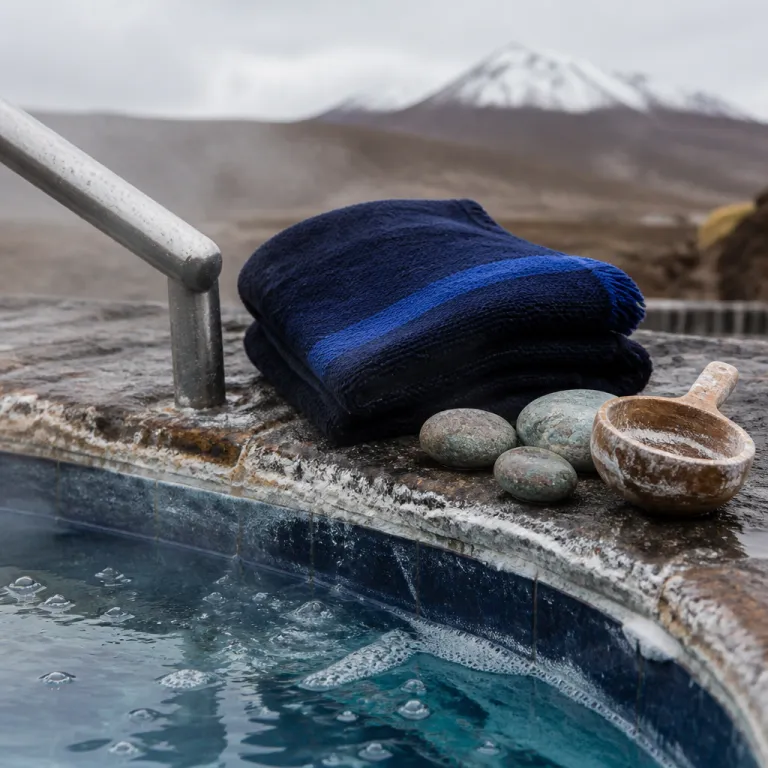
Why Bolivia’s altitude baths belong on your wellness map
Bolivia sits on a spine of Andean geothermal energy that shapes a quiet wellness circuit. At high altitude, Bolivia’s thermal springs and hot pools feel sharper, the air thinner and the mineral-rich vapour more intense against your skin. For luxury travelers, the most memorable soaks can rival any mountain summit and become a highlight of an Andean itinerary.
Across the Altiplano, thermal waters rise into natural pools framed by snow peaks and clear skies. These hot springs are not theme park attractions; they are elemental baths Bolivia has used for centuries, from Inca royalty and priests at Tarapaya to today’s local communities who still treat them as sacred. Chroniclers of the Inca era already mentioned Tarapaya as a favoured healing site, and oral histories in Quechua and Aymara keep those stories alive. As one Quechua-speaking host near Potosí explains, “You are not just bathing; you are entering a place our grandparents called a living spirit.” When you visit, you are stepping into a living tradition that blends wellness, ritual and precise awareness of weather conditions.
Wellness tourism here is about more than a single day tour to a photogenic pool. A thoughtful circuit links altitude baths with premium hotels, slow Andean meals and guided activities that respect each national park or national reserve. Done well, Bolivia hot springs and wellness itineraries balance high-altitude acclimatization, cultural immersion with local Quechua-speaking hosts and enough downtime to let the waters work, with most travelers allowing at least two nights above 3,000 metres before tackling the highest sites.
Termas de Polques and the Eduardo Avaroa high plateau
Termas de Polques sits in the Eduardo Avaroa Andean Fauna National Reserve, a high plateau where thermal pools steam at around 4,400 metres (approximately 14,435 feet). Most travelers reach these hot springs on multi-day tours that link Uyuni with Chile, crossing Salar de Uyuni, Laguna Colorada and a string of surreal lakes. From Uyuni town, overland journeys to the reserve usually take six to eight hours by 4x4, depending on road conditions. The setting is stark and beautiful; flamingos feed in nearby waters while your own body sinks into hot, mineral-rich thermal pools that typically hover between 30°C and 38°C (86°F to 100°F).
Facilities at Polques are basic, so your real luxury comes from how you structure the tour and where you sleep. Pair a private 4x4 day tour with a premium salt hotel near Uyuni, then continue to a higher-end lodge on the Chilean side for contrast between rustic thermal baths and polished service. Reputable operators such as local Uyuni-based 4x4 outfitters or specialist Altiplano tour companies can arrange this arc with private drivers and flexible departure times. One couple described their Bolivia hot springs arc here as “waking up in a salt palace, then ending the day under a sky so full of stars it felt like another ceiling of salt.” For couples, this high-altitude route feels like a slow descent from raw Andean wilderness into curated comfort.
Planning is crucial because weather conditions at such high altitude change quickly and access roads can be rough. The best time for a Polques visit is usually the dry season, when clear skies make the mountain silhouettes razor sharp and tours run more reliably. Night-time temperatures can fall well below freezing even when the water feels warm, so short 10–20 minute sessions with breaks are recommended. For detailed acclimatization advice before any high-altitude activities, use an altitude playbook style guide such as arriving at 3 600 metres for luxury travelers.
Urmiri and Tarapaya: heritage springs near La Paz and Potosí
Closer to La Paz, Urmiri offers a gentler take on hot springs in Bolivia, with a resort-style complex built around thermal pools in a sheltered valley. Here the altitude is still high but less extreme than the southern national reserve, making it a comfortable first stop on a Bolivia thermal springs and wellness journey. From La Paz, the drive generally takes three to four hours by private transfer, depending on traffic and road works. You can book rooms that open almost directly onto the pools, turning a simple soak into an all-day ritual with repeated short immersions and rest periods.
South in Potosí Department, Tarapaya Hot Springs sit at roughly 3,336 metres (about 10,945 feet) and carry deep historical weight. Inca royalty and priests once used these thermal baths for healing, and local Quechua-speaking communities still come for both wellness and social gatherings. Archaeological studies and colonial records refer to Tarapaya as “Baños del Inca,” supporting its reputation as a long-standing ritual site. Modern facilities now integrate public baths, private baths and natural pools, using geothermal features in ways that respect the original crater-like setting. A local guide in Tarapaya likes to tell visitors, “The Incas came here after long journeys; today you arrive by car, but the water welcomes you the same way.”
Luxury travelers should treat Urmiri and Tarapaya as slow wellness bases rather than quick stops on a rushed tour. Arrange private transfers for easier access, then combine spa time with guided visits to Potosí’s historic centre or La Paz’s emerging design hotels for a rounded Andean itinerary. Expect entry fees at these heritage springs to range from 5 to 20 Bolivianos per person, with private cabins and premium pools at the upper end. For more detail on how premium properties are integrating spas with these altitude baths, explore this dedicated guide to spa retreats in Bolivia.
Cochabamba valleys, Sajama and the softer side of altitude
Not every traveler wants to start their Bolivia hot springs and wellness trip at 4,400 metres. Around Cochabamba, the Obrajes and Capachos hot springs sit at lower altitude, with family-friendly pools and easier access from the city. Obrajes lies roughly an hour’s drive from central Cochabamba, while Capachos is usually reached in 30 to 45 minutes by taxi or private car. These sites suit couples easing into Andean waters before heading to more remote national park regions.
Facilities in the Cochabamba valleys tend to be more developed, with multiple pools, changing rooms and on-site restaurants. Water temperatures often range from pleasantly warm to hot, with separate basins for children and adults. You still bathe in thermal waters, but the experience feels more like a relaxed day tour than an expedition, especially when weather conditions are mild. One traveler recalled arriving on a cool afternoon and staying until dusk, “watching local families drift in and out of the steam while the mountains slowly turned purple.” This is a good time-visit option if you want to test how your body responds to hot springs before committing to higher-altitude activities.
Further west, Sajama National Park frames its own Bolivian hot springs with the country’s highest mountain, Nevado Sajama, looming above. Here, rustic thermal baths sit in open fields where llamas graze and clear skies reveal a dense canopy of stars at night. Reaching Sajama from La Paz typically takes four to six hours by road, with the last stretch on unpaved tracks that can become muddy after rain. Pairing a stay in a simple lodge near Sajama National Park with a night in a premium La Paz hotel creates a compelling contrast between wild Andean silence and urban comfort.
Designing a luxury hot springs circuit with altitude in mind
Building a coherent Bolivia thermal springs and wellness itinerary starts with altitude strategy, not just a list of pools. Begin in La Paz or Cochabamba, where high altitude is present but manageable, then step up gradually towards Uyuni and Eduardo Avaroa. Many travelers spend two or three nights between 2,500 and 3,600 metres before sleeping higher, which helps reduce the risk of altitude sickness. This staged approach lets you enjoy hot springs rather than simply endure thin air.
Think in arcs of two to three nights per region, using premium hotels as anchors and thermal baths as daily activities. One elegant route links La Paz with Urmiri, then flies to Uyuni for Salar de Uyuni and a day tour to Laguna Colorada and Termas de Polques, before looping back through Potosí and Tarapaya. A five to seven day sample circuit might look like this: Day 1–2 in La Paz with a side trip to nearby viewpoints and light city walks; Day 3–4 at Urmiri or Cochabamba valleys for gentler pools; Day 5–6 around Uyuni and Eduardo Avaroa; and Day 7 in Potosí or back in La Paz for urban spa time. Along the way, choose operators who work closely with local communities and national park authorities, ensuring that your tours support conservation rather than strain fragile waters.
Practical details matter in this kind of circuit, especially at high altitude. Bring swimwear, layers for rapid weather changes and sandals for basic changing areas, and always check water temperatures before entering any hot pool. As local guidance notes, “Are the thermal springs safe? Yes, but avoid areas with strong undercurrents,” and “What is the cost of entry? 5 to 10 Bolivianos, depending on bath type.” In more remote reserves, some sites may charge slightly higher fees for private pools or camera use, so confirm prices with your guide in advance. Carrying small bills makes it easier to pay modest entry fees at community-run sites.
Wellness benefits, seasons and how to work with local hosts
The wellness appeal of Bolivia’s hot springs at altitude rests on the chemistry between mineral-rich waters and thin, dry air. At elevation, vasodilation from hot springs can feel more pronounced, so short sessions with rest in between are wiser than marathon soaks. Many travelers report better sleep and eased muscle tension after alternating hot pools with cool Andean breezes, especially when they limit each immersion to 15–20 minutes and drink water or herbal teas between baths.
From a planning perspective, the best time for most hot springs in Bolivia itineraries is the dry season, when clear skies dominate and access roads stay more reliable. That said, shoulder months can offer quieter pools and softer light, provided you stay flexible about tours and always monitor local weather conditions. In the wet season, heavy rain or snow can temporarily close tracks to Eduardo Avaroa or Sajama, so allow buffer days in your schedule. For a deeper look at how seasonality shapes wellness-focused travel, consult this guide to dry season wellness and altitude retreats.
Working with local communities is not just ethical; it also enriches your stay. Community guides know the safest access points, the traditional stories behind each national reserve and the subtle etiquette around shared pools. When booking, ask whether your operator hires local drivers, pays community entry fees transparently and limits group size at smaller baths. One Aymara guide near Sajama summed it up simply: “If you listen to the mountain and respect the water, they will take care of you.” When you choose operators who partner with them, your luxury experience supports long-term stewardship of Bolivia’s thermal waters and the cultural heritage that surrounds them.
FAQ
Are Bolivia’s thermal springs safe for first time visitors at altitude ?
Most managed hot springs in Bolivia are safe when you follow basic guidelines and listen to local staff. Altitude is the main risk, so keep initial soaks short, hydrate well and avoid alcohol before entering hot pools. If you feel dizzy or breathless, leave the water immediately and rest in a shaded, ventilated area. Travelers with heart or respiratory conditions should seek medical advice before visiting high-altitude baths above 3,500 metres.
What should I bring for a luxury focused hot springs circuit ?
Pack a high-quality swimsuit, quick-drying towel, rubber sandals and a light robe or cover-up suitable for walking between pools in cool air. At high altitude, add sun protection, a hat and layered clothing because temperatures can swing quickly between hot waters and cold winds. For more remote sites, carry cash in small Boliviano notes for entry fees and tips, plus a dry bag for electronics. Many premium hotels provide towels, but having your own set is useful for day tours where facilities are basic.
How much do thermal baths usually cost in Bolivia ?
Entry fees at public or community-managed springs are generally modest, even when you are on a premium itinerary. As local operators state, “What is the cost of entry? 5 to 10 Bolivianos, depending on bath type.” At some heritage sites or better-equipped complexes, prices can rise to around 20 Bolivianos for private cabins or extended access. Private hotel spas will charge more, but the overall cost remains low compared with similar experiences in North America or Europe.
When is the best time to visit hot springs in the Altiplano ?
The dry season usually offers the best combination of clear skies, stable weather and easier road access across the Altiplano. During this period, sunrise and sunset soaks can be spectacular, especially around Salar de Uyuni and Eduardo Avaroa. In wetter months, some tours may be disrupted, so build extra time into your schedule and stay in close contact with your hotel concierge or tour planner. Checking local forecasts a day or two before departure helps avoid disappointment if snow or heavy rain affects high passes.
Can I combine hot springs with other activities like trekking or cultural visits ?
Yes, many of the most appealing itineraries pair thermal waters with gentle trekking, wildlife watching and visits to historic cities such as Potosí or La Paz. A typical day might include a morning hike in a national park, a long midday soak in hot springs and an evening tasting menu at a premium hotel. In lower-altitude valleys, you can also add vineyard visits or market tours to your schedule. Just remember to pace physical activities carefully at high altitude and allow at least one rest day after long travel days.