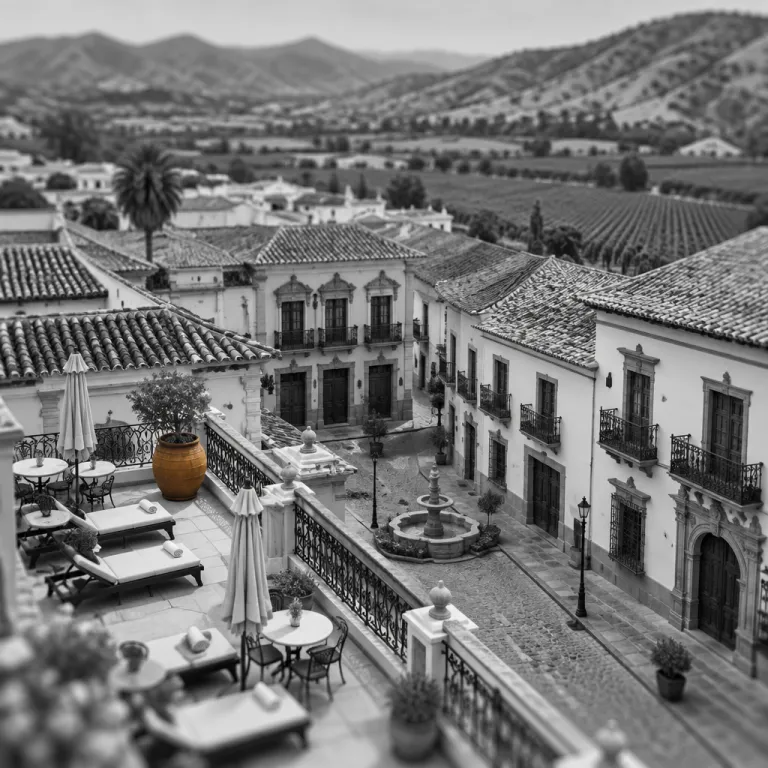
Why tarija town is south america’s most relaxed wine capital
Tarija town sits in southern Bolivia, a small city wrapped by vineyards and orchards. This relaxed corner of South America offers a softer climate than the Andean highlands, which makes tarija travel especially appealing for guests seeking gentle sunshine and cool evenings. Many visitors pair tarija bolivia with nearby Salta in Argentina, creating an elegant cross border route between two wine cities.
The wider Tarija Department stretches along a fertile valley where the semi arid hills meet irrigated farmland. This valley around bolivia tarija produces some of the highest altitude wine in south america, and the city has become a reference point for bolivia wine tourism. When you stay in tarija town you feel the contrast between the green valley floor and the drier Cruz Sierra ridges that frame the horizon so well.
Within the department Tarija capital, the historic centre remains compact and walkable, which suits luxury travellers who value time and efficient service. Elegant hotels cluster near Plaza de Armas, where you can step out from a refined lobby straight into the city’s café terraces. From here, every day in tarija bolivia can be shaped around slow breakfasts, vineyard lunches, and golden hour strolls through the town squares.
Historic centre of tarija town and where to stay in style
The heart of tarija town is its Plaza de Armas, a leafy square framed by arcades and colonial façades. Around this plaza armas area you will find many of the city’s premium hotels, which makes it the best base for guests who want to walk between restaurants, museums, and wine bars. From a high floor suite you often enjoy a panoramic view tarija with the valley and surrounding hills glowing at sunset.
Luxury properties in this part of the city usually offer attentive service, multilingual staff, and curated excursions across the Tarija Department. Staying central also means quick access to the cathedral, the Casa Dorada museum, and the riverside promenade, all of which help you understand how tarija bolivia grew from a small town into one of the most charming cities bolivia offers. During the festival of San Roque in September, the streets near plaza armas fill with dancers and musicians, so booking early is essential for any refined tarija travel plan.
If you are visiting for religious or cultural events, such as the celebrations of San Juan or the processions linked to Tarija San Roque, location matters even more. A well chosen hotel in the historic centre lets you step directly into the festivities, then retreat to quiet comfort when the day ends. For a detailed look at this famous regional festival and handpicked places to stay, consult this dedicated guide to San Roque in Tarija.
Wine valleys around tarija town and how to book premium stays
Beyond the city limits, the Tarija Department opens into a patchwork of vineyards and orchards that define the region’s identity. The main valley near tarija town lies at around 1 800 to 2 000 metres above sea level, which gives a semi arid climate with strong sun and cool nights that favour structured wine. Many estates now welcome visitors, so you can combine a stay in bolivia tarija with tastings of both still wines and the traditional spirit singani.
High end travellers often arrange private transfers from their hotel in the city to wineries scattered across the valley, ensuring seamless service and flexible timing. Some properties in the department Tarija countryside operate as full service wine lodges, where you wake to a wide view tarija landscape of vines, riverbeds, and distant mountains. These rural stays suit guests who want to feel the well regional character of south Bolivia while still enjoying polished amenities and attentive staff.
When planning tarija travel focused on wine, consider the calendar carefully because the climate shifts across the year. Harvest usually falls between February and April, while the dry months from May to September offer clear skies and crisp nights that highlight the semi arid beauty of the valley. If your itinerary also includes La Paz or Santa Cruz, you can deepen your understanding of Bolivia’s evolving food and drink scene by exploring the specialty coffee culture through this in depth look at La Paz’s third wave cafés.
Seasons, climate and the best months for tarija travel
The climate in tarija town is milder than in many other cities bolivia travellers visit, thanks to its sheltered valley position. Officially the region has a semi arid classification, yet the river and irrigation systems keep the immediate valley green and productive. This balance means that tarija bolivia offers warm days and cool nights for most of the year, which suits both vineyard visits and relaxed city walks.
From January to March, the rainy season brings occasional showers that refresh the town and surrounding valley. These months can be appealing for guests who enjoy lush landscapes, although some rural roads in the Tarija Department may be less convenient for day trips. By contrast, the period from June to September is drier, with clear blue skies that make every view tarija offers feel sharper and more expansive.
Luxury travellers often favour June, July, and August because daytime temperatures remain comfortable while evenings invite a glass of bolivia wine by the fireplace. September is also attractive, especially when festivals animate the city and the service sector operates at full capacity. If you plan to combine tarija travel with other parts of south america, such as Santa Cruz or Salta in Argentina, aligning your dates with the dry season will generally provide smoother logistics and more predictable flying conditions.
Cultural layers of tarija town and refined urban experiences
Tarija town reflects a blend of Spanish colonial heritage and regional Andean and gaucho influences that you feel in its streets and kitchens. The city’s grid of low rise buildings, shaded plazas, and churches creates a human scale environment where walking remains the best way to appreciate daily life. Many residents speak both Spanish and local indigenous languages, and this mix shapes everything from market conversations to restaurant menus.
For guests interested in culture, a private guide Tarija experience can include the Casa Dorada, the paleontology museum, and the riverside parks that frame the town. From these vantage points you gain a layered view tarija that connects the historic centre with newer neighbourhoods and the wider Tarija Department. Evening strolls often lead back to Plaza de Armas, where cafés serve regional dishes paired with bolivia wine from nearby estates.
Travellers who enjoy street art and contemporary culture sometimes combine tarija travel with time in La Paz, whose murals and public artworks offer a striking contrast to this small southern city. To prepare for that part of your journey, you can consult a detailed walking tour of La Paz’s street art scene. Linking these cities bolivia wide allows you to experience both the calm rhythm of tarija town and the dynamic energy of the high altitude capital in a single itinerary.
Planning luxury logistics in tarija town and the wider region
Reaching tarija town usually involves a domestic flight from La Paz, Cochabamba, or Santa Cruz, followed by a short transfer into the city. The airport is small but well organised, which keeps arrival formalities efficient and supports a level of service that suits premium travellers. Some guests arrive overland from Salta in Argentina, crossing the border at Aguas Blancas and continuing through the Tarija Department by private vehicle.
Once in the city, most luxury hotels can arrange tailored excursions across the valley, including visits to San Jacinto reservoir, traditional villages, and selected wineries. A private guide Tarija based can also lead you towards viewpoints above the town, where you see how the semi arid hills encircle the greener valley floor so well. These outings help you understand how tarija bolivia fits within the broader geography of south america, positioned between the Andean highlands and the lowlands that stretch towards Paraguay and Brazil.
For travellers planning multi city itineraries, combining bolivia tarija with Santa Cruz, La Paz, and perhaps Sucre offers a balanced portrait of the country’s main urban centres. Each of these cities bolivia showcases a different climate, altitude, and cultural tone, yet tarija town often feels like the most intimate and relaxed stop. Whether you stay only a day or extend your tarija travel to several nights, choosing properties with strong concierge teams will ensure that transfers, tastings, and restaurant reservations unfold smoothly.
Key figures and practical statistics for tarija town stays
- Tarija city sits at roughly 1 866 metres above sea level, which is significantly lower than La Paz at over 3 600 metres and makes acclimatisation easier for many travellers (data from Bolivian geographic surveys) .
- The Tarija Department produces a large share of Bolivia’s commercial wine and almost all of its singani, with vineyards concentrated between 1 600 and 2 400 metres where the semi arid climate favours slow ripening (figures reported by Bolivian wine industry associations) .
- Average daytime temperatures in tarija town range between about 18 and 25 degrees Celsius across the year, while nights often drop below 15 degrees, creating ideal conditions for city walks and vineyard visits (climate data from Bolivian meteorological services) .
- Domestic flights linking Tarija with La Paz and Santa Cruz usually take around one hour, which allows travellers to connect major cities bolivia wide in a single day without long overland journeys (information from Bolivian airline schedules) .
- The population of the Tarija Department is under one million inhabitants, and the city of tarija town itself remains relatively small compared with other urban centres in south america, which contributes to its calm atmosphere and manageable traffic (demographic data from Bolivian census authorities) .
FAQ about luxury and premium stays in tarija town
How many days should I plan for tarija travel focused on wine ?
For a wine centred itinerary in tarija town and the surrounding valley, plan at least three full days. This allows time to explore several wineries, enjoy long lunches, and still experience the historic centre and Plaza de Armas without rushing. Guests who want to include side trips to San Jacinto reservoir or nearby villages in the Tarija Department often extend their stay to four or five nights.
Which months offer the best climate for a luxury stay in tarija bolivia ?
The most comfortable months for a luxury stay in tarija bolivia usually run from May to September, when the semi arid climate brings dry days and clear skies. June, July, and August are especially pleasant for vineyard visits and city walks because temperatures remain mild and humidity is low. Travellers interested in festivals may prefer September, when cultural events animate the town and premium hotels often host special programmes.
Is tarija town easy to combine with other cities in south america ?
Tarija town connects well with other cities in south america through domestic flights and regional road links. Most travellers fly via La Paz or Santa Cruz, then continue to international hubs that serve Argentina, Brazil, Chile, or Peru. Overland routes towards Salta in Argentina also make it possible to design a cross border itinerary that highlights both Bolivian and Argentine wine regions.
What type of luxury services can I expect from hotels in tarija town ?
Premium hotels in tarija town typically offer airport transfers, concierge assistance, and curated excursions across the Tarija Department. Many properties can arrange private tastings at wineries, restaurant reservations, and bilingual guides who speak Spanish and English. While the city is small, the service culture is strong, and staff are accustomed to tailoring experiences for discerning international guests.
Is Spanish necessary for enjoying a high end stay in tarija bolivia ?
Knowing some Spanish will enrich your experience in tarija bolivia, especially when speaking with winemakers or exploring local markets. However, most luxury hotels and many tour operators in the Tarija Department employ staff who speak English and can assist with translations. Using a private guide Tarija based is an effective way to bridge any language gaps while still engaging deeply with local culture.