Best Time of Year to Visit Bolivia: Seasons, Climate & Luxury Travel
How Bolivia’s climate shapes the best time of year to visit
Planning the best time of year to visit Bolivia starts with understanding its layered geography. The country stretches from the high Altiplano to the humid Amazon Basin, so the Bolivia climate changes dramatically over short distances. When you read climate charts for Bolivia, you are really reading several different countries in one.
For most travelers, the most comfortable period and overall best season to visit Bolivia is the dry stretch from May to October, when skies are clearer and roads are more reliable. Official data from Bolivia’s Servicio Nacional de Meteorología e Hidrología (SENAMHI) indicate that La Paz averages around 15 °C during these dry season months, which feels mild in the daytime but cool once the high-altitude sun sets. This is the ideal time of year if you want to visit Bolivia in comfort while minimizing disruption to luxury travel plans.
The wet season from November to April brings heavier rain, especially in the Amazon Basin and lowlands, yet it also reveals a different side of Bolivia climate. The rainy season paints the valleys and agricultural terraces in deep greens, and some travelers prefer this lush atmosphere for cultural immersion. It remains safe to travel during the wet season, but you must allow extra days in your itinerary in case flights or road transfers are delayed.
Dry season elegance: high altitude cities, Lake Titicaca and cultural stays
Luxury travelers often choose the dry season as the best time of year to visit Bolivia’s high-altitude cities and lakeside retreats. From La Paz to Sucre, clear weather and lower rainfall make it easier to enjoy rooftop terraces, spa decks and panoramic suites. When you visit Bolivia between May and August, you benefit from crisp air, bright light and fewer weather-related surprises.
Lake Titicaca, shared between Bolivia and Peru, is particularly appealing in the dry season, when the water reflects intense blue skies and boat tours run more predictably. Many premium hotels on the Bolivian shores offer private piers, heated rooms and curated cultural experiences with local communities, which are easier to schedule when the Bolivia climate is stable. If you plan to combine Lake Titicaca with Cusco and the Sacred Valley in Peru, this same dry season window usually offers the best time for smooth cross-border travel.
Altitude, however, remains a constant factor in these high regions, so even in the best time of year you should prepare for cool nights and strong sun. Pack layers, hydrate well and allow at least two days in La Paz or around Lake Titicaca before continuing to higher areas, especially if you will later travel to Cusco, the Sacred Valley or Machu Picchu. For July itineraries that focus on clear skies and cultural festivals such as La Paz’s Gran Poder or Oruro’s Carnival celebrations, many travelers secure premium rooms months ahead through curated selections of July hotels worth booking before peak season.
Salt flats and Salar de Uyuni: timing your luxury stay around light and water
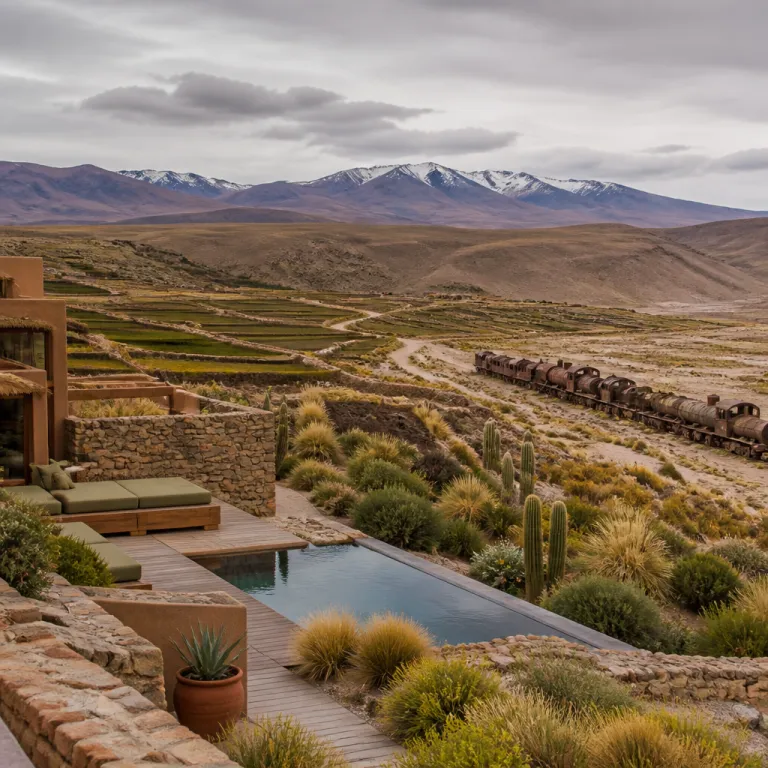
Choosing the best time of year to visit Bolivia for the salt flats is more nuanced, because Salar de Uyuni offers two very different faces. During the dry season, usually from May to October, the Uyuni salt crust hardens into a vast white expanse that allows 4x4 vehicles to reach remote areas and luxury camps. This is often considered the best time for photographers who want sharp horizons, star-filled skies and comfortable access to premium domes or glass-fronted suites on the edge of the flats.
In the wet season, typically between January and March, thin layers of water transform the salt flats into a mirror that reflects clouds and sunsets with surreal clarity. This rainy season spectacle is one of the most iconic images of Bolivia and South America, yet it requires flexibility because some routes close and certain luxury properties adjust operations. When you plan your time to visit Uyuni, decide whether you prefer the dry season’s reliable tours or the wet season’s reflective magic, then align your hotel bookings accordingly.
High-altitude nights around Uyuni can be extremely cold, even when daytime weather feels gentle, so premium lodges that offer heated rooms, oxygen on request and fine dining make a tangible difference. Many travelers pair Salar de Uyuni with Peru’s Cusco and Machu Picchu, using regional flights to connect these high plateau landscapes with the valley Machu region. For late dry season journeys that combine Uyuni salt experiences with Andean festivals, curated guides to August in Bolivia with clear skies and late season luxury help you secure the right properties before demand peaks.
Combining Bolivia, Peru, Cusco and Machu Picchu in one high altitude itinerary
Many luxury travelers look beyond national borders and design a South America journey that links Bolivia with Peru, Cusco and Machu Picchu. In that case, the best time of year to visit Bolivia often aligns with the best time to visit the Sacred Valley and Machu Picchu, which is again the Andean dry season. Clearer weather between May and October reduces the risk of rail disruptions to Machu Picchu and makes it easier to coordinate private transfers, scenic flights and high-end train services.
When you read regional climate information, you will notice that both La Paz and Cusco sit at high altitude, while the valley Machu area and the Sacred Valley lie slightly lower and warmer. This means you can spend your first days acclimatizing in lower-altitude valleys before ascending to cities like La Paz or Cusco, which is a strategy many tour designers recommend. By structuring your time of year in this way, you reduce fatigue and enjoy each cultural stop, from colonial plazas in Bolivia to Inca terraces in Peru, with more energy.
Travelers who want to visit Bolivia, Lake Titicaca, Cusco and Machu Picchu in a single trip should allow at least ten to fourteen days. A common 12-day route might start in La Paz, continue to Lake Titicaca, then cross toward Cusco, the Sacred Valley and finally Machu Picchu before returning via Lima or another hub. When you coordinate bookings across borders, work with tour operators who understand both Bolivia climate patterns and Peru’s rainy season, so your luxury hotels and transfers remain aligned with the best time for each region.
Amazon Basin lodges, wet season nuances and luxury in the lowlands
While the highlands follow a clear dry season and wet season rhythm, the Amazon Basin in Bolivia behaves differently and deserves its own planning. The lowland rainforest around Rurrenabaque and Madidi National Park is warm and humid year-round, with the rainy season bringing higher river levels and denser foliage. For many wildlife enthusiasts, the best time of year to visit Bolivia’s Amazon Basin is at the transition between seasons, when trails remain passable but the forest feels vibrant.
Luxury and premium lodges in this region focus on comfort in a challenging environment, offering screened suites, gourmet meals and guided excursions that adapt to daily weather. During the wet season, boat-based tours may reach deeper into flooded forests, while in the drier months more walking trails open and wildlife viewing can become easier along riverbanks. When you plan your time to visit the Amazon Basin, consider how many days you want to spend in the forest and whether you prefer lush, rainy landscapes or slightly drier conditions.
Because these lodges sit at much lower altitude than La Paz or Uyuni, they can provide a welcome break from the intensity of high-altitude travel. Many itineraries place the Amazon segment either at the beginning, to ease you into South America, or at the end, as a warm, relaxing finale after the salt flats and high cities. Whatever your choice, align your flights and lodge reservations with regional weather forecasts, using real-time weather apps and local advice to refine the best time for your stay.
Luxury booking strategies: aligning premium hotels with Bolivia’s seasons
Securing the right luxury or premium hotel in Bolivia is not only about the property itself, but also about how its strengths match the season. In La Paz, for example, a hotel with floor-to-ceiling windows and a rooftop bar shines during the dry season, when the Illimani peak appears sharply against blue skies. In the rainy season, you might prioritize properties with extensive spa facilities, indoor pools and in-house cultural programming, so your time of year remains rewarding even if the weather shifts.
For Salar de Uyuni and the salt flats, the best time of year to visit Bolivia in style depends on whether you value comfort of access or the drama of reflections. Glass domes and design-forward lodges on the Uyuni salt crust often operate at reduced capacity during the wettest months, while in the dry season they can arrange private stargazing dinners directly on the flats. When you read descriptions of these properties, pay attention to how they handle high altitude, heating and logistics, because those details matter more than thread count in such an extreme environment.
In cultural hubs like Sucre, Potosí and Santa Cruz, the Bolivia climate is milder, so the focus shifts toward location, heritage architecture and curated experiences with local communities. Here, the best time to visit Bolivia may be tied to festival calendars, such as Carnival in Oruro or regional religious celebrations, which fill hotels quickly and reward early booking. Whatever your route, combine flexible cancellation policies with clear seasonal planning, so your luxury travel remains resilient to the occasional surprise that South America’s varied weather can bring.
Reading the fine print: safety, altitude and expert guidance across seasons
Beyond comfort and scenery, the best time of year to visit Bolivia also relates to safety and wellbeing, especially when you move between high-altitude plateaus and lowland forests. The country’s tourism authorities and experienced tour operators consistently recommend that travelers respect acclimatization times and avoid rushing from sea level to cities above 3 500 m in a single day. When you visit Bolivia from Peru or another South America gateway, plan your ascent in stages and choose hotels that understand high-altitude care.
Local experts emphasize that “May to October during the dry season” is generally the most reliable window for overland travel, while also noting that “Yes, but expect rain and possible travel disruptions” applies to journeys in the rainy season. They also remind visitors that “Yes, major festivals occur throughout the year”, which means that cultural richness is not limited to any single time of year. When you read these official answers, you can see how they align with on-the-ground experience from travelers, tour operators and local communities.
To refine your own best time and time to visit, combine online weather resources with direct conversations with Bolivia-based agencies and hotel concierges. These partners understand how a specific wet season or dry season is unfolding and can advise whether to adjust your days in Uyuni, Lake Titicaca or the Amazon Basin. By blending data, expert insight and your personal preferences, you will shape a luxury itinerary that respects Bolivia climate realities while still feeling indulgent, seamless and deeply cultural.
Key figures for planning your stay in Bolivia
To translate seasonal guidance into practical planning, it helps to look at indicative monthly averages from SENAMHI and other official climate summaries. The figures below are rounded and can vary slightly year to year, but they illustrate how temperature and rainfall shift between regions and seasons.
| Region | Typical month | Average daytime temperature | Average rainfall | Seasonal notes |
|---|---|---|---|---|
| La Paz (Altiplano) | June–July (dry) | 13–15 °C | 10–20 mm | Cool, sunny days; cold nights; very low humidity. |
| La Paz (Altiplano) | January–February (wet) | 15–17 °C | 110–130 mm | Mild temperatures; frequent afternoon showers. |
| Uyuni / Salar de Uyuni | July–August (dry) | 10–12 °C | <10 mm | Very dry; intense sun; sub-zero nights on the flats. |
| Uyuni / Salar de Uyuni | February (wet) | 12–14 °C | 60–80 mm | Shallow water creates mirror effect; some routes close. |
| Amazon Basin (Rurrenabaque / Madidi) | August–September (drier) | 28–30 °C | 80–120 mm | Warm, humid; more trails accessible; good wildlife viewing. |
| Amazon Basin (Rurrenabaque / Madidi) | January–March (rainy) | 27–29 °C | 180–220 mm | Heavy showers; high rivers; excellent forest scenery. |
- Average daytime temperature in La Paz between May and October is around 15 °C, according to SENAMHI (Servicio Nacional de Meteorología e Hidrología), which makes the dry season comfortable for city walks and high-altitude viewpoints.
- Average rainfall in the Amazon Basin between November and April reaches roughly 200 mm per month, based on SENAMHI regional data, so travelers should expect frequent showers and plan flexible excursions.
- The country offers viable travel options year-round, but the dry season months typically record fewer road closures and flight disruptions than the peak rainy season, which is why many luxury itineraries prioritize this window.
- Altitude in key destinations varies widely, from around 3 600 m in La Paz and over 3 800 m at Lake Titicaca to less than 500 m in parts of the Amazon Basin, so acclimatization strategies should be built into every itinerary.
Frequently asked questions about the best time of year to visit Bolivia
What is the best time of year to visit Bolivia for first time travelers ?
For a first visit Bolivia itinerary that includes cities, Lake Titicaca and the salt flats, the dry season from May to October usually offers the best balance of stable weather and easy logistics. Clearer skies improve views from high-altitude hotels and reduce the risk of road closures. This period is especially suitable if you are combining Bolivia with Peru, Cusco and Machu Picchu in one journey.
Is it safe to travel in Bolivia during the rainy season ?
It is generally safe to travel in Bolivia during the rainy season, but you should expect more frequent showers and occasional disruptions to flights or overland routes. Luxury and premium hotels remain open, and many offer indoor cultural programs that work well in wet weather. Build some buffer days into your schedule and stay in close contact with your tour operator for real-time updates.
How many days should I plan for Salar de Uyuni and the salt flats ?
Most travelers dedicate at least three days to Salar de Uyuni and the surrounding region, which allows time to adjust to high altitude and enjoy both daytime and nighttime experiences. If you are staying in a premium lodge or glass dome on the Uyuni salt crust, consider four days to account for weather changes and photography opportunities. This duration also works well when you connect Uyuni with Lake Titicaca or the Amazon Basin in a longer itinerary.
Can I combine Bolivia, Lake Titicaca, Cusco and Machu Picchu in one trip ?
Yes, many travelers design a single South America journey that links Bolivia with Lake Titicaca, Cusco, the Sacred Valley and Machu Picchu. The best time of year to visit Bolivia for this combined route is usually the Andean dry season, when weather is more predictable across both countries. Plan at least ten to fourteen days to avoid rushing and to manage altitude changes comfortably.
How should I prepare for high altitude in Bolivia’s main destinations ?
To handle high altitude in places like La Paz, Lake Titicaca and Uyuni, arrive gradually, rest on your first day and stay well hydrated. Choose hotels that offer oxygen on request and staff trained to recognize altitude-related symptoms, especially if you are coming directly from low elevation regions. If you have pre-existing health conditions, consult your doctor before travel and share your route with your tour operator so they can adapt the pace when needed.