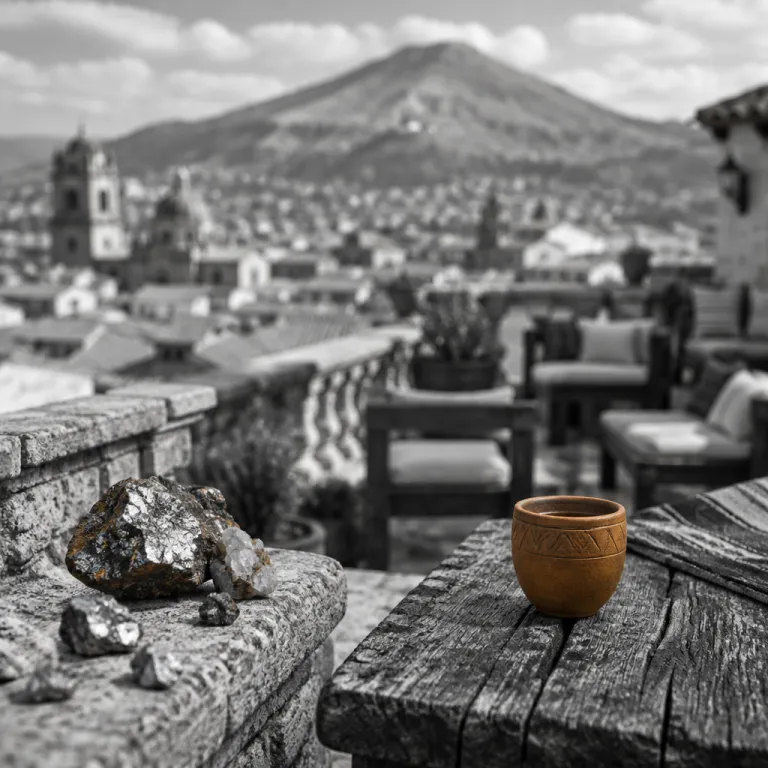
Why Potosi still matters for luxury travelers in South America
Potosi sits at the edge of the Bolivian altiplano, its skyline dominated by the unmistakable cone of Cerro Rico. The city once anchored global silver flows across South America, sending wealth from potosi bolivia to European courts while reshaping trade routes and empires. Today, a thoughtful potosi bolivia silver history heritage tour lets you engage that story in comfort, without losing sight of the miners who still work the mountain.
For a business traveler extending a stay in La Paz, Potosi offers a rare combination of colonial architecture, raw mining history and high altitude drama. The city Potosi lies at more than 4 000 meters, so any day trip or longer trips must be paced carefully, with hydration and slow walking through the historic center. Many guests now pair a visit Potosi with time in Sucre or Uyuni, using curated guided tours that balance heritage site visits with restorative evenings in premium properties across Bolivia.
Luxury tourism Potosi is not about opulence ; it is about access, context and care. A well designed tour weaves the story of silver, the Casa de la Moneda mint and the still active mines into a coherent travel guide that respects both history and present realities. When you plan your own tours, think less about ticking off sights and more about how each mine, church and plaza fits into the wider narrative of south America and the global economy it helped finance.
Walking the UNESCO historic center in style and at your own pace
The UNESCO heritage listing for the historic center of Potosi recognizes a dense urban fabric of churches, mansions and civic buildings shaped by silver wealth. Within a compact city center, you can stroll from the imposing façade of the Casa Nacional de la Moneda to the quieter courtyards of former colonial residences. A refined potosi bolivia silver history heritage tour often starts here, before any approach to Cerro Rico or the mines.
Many travelers underestimate how the high altitude changes even a simple visit to a museum or church. Plan shorter walking segments through the city Potosi, pausing at cafés near the plaza for coca tea and light snacks between guided tours of sites such as San Lorenzo church, with its intricate mestizo baroque stonework. From a luxury perspective, the goal is not to rush every heritage site in one day, but to layer experiences so that each colonial façade, each silver altar and each quiet cloister has space to resonate.
For discerning guests, a private guide transforms a standard tour into a nuanced exploration of power, faith and labor in colonial Bolivia. Consider booking heritage focused guided tours through a specialist platform dedicated to luxury and premium hotel booking in Bolivia, such as the curated itineraries highlighted in this heritage hotels and sites travel feature. With the right partner, your visit Potosi can include after hours access to select museums, tailored explanations of mining finance and time to appreciate how the potosi casa courtyards once functioned as both family homes and commercial hubs.
Cerro Rico and mine tourism: engaging responsibly with a living mountain
Cerro Rico, the “rich mountain” above Potosi, remains the most charged symbol of Bolivia’s mining past and present. For centuries, silver extracted from this single cerro funded the Spanish crown, while countless miners work stories ended in tragedy deep inside cerro tunnels. Any potosi bolivia silver history heritage tour that includes the mountain must confront both the grandeur of that history and the ongoing risks in the mines.
Some travelers feel drawn to visit a working mine, hoping to understand how miners live and work today. Responsible tourism Potosi means asking hard questions before stepping inside cerro galleries, including whether your presence supports safer conditions or simply turns miners work into spectacle. Many luxury travelers now choose curated surface level tours of Cerro Rico, combined with in depth briefings from historians and former miners, rather than entering an active mine where safety standards can be inconsistent.
If you decide that a mine visit aligns with your values, prioritize operators who clearly explain how fees support miners and their families. Look for guided tours that limit group size, provide proper equipment and focus on context rather than shock, ideally integrating the experience into a broader travel guide that also highlights Casa de la Moneda and the wider city center. For those who prefer to engage mining history without going underground, consider pairing Potosi with other heritage rich destinations such as Tiwanaku, using resources like this comfort focused Tiwanaku cultural itinerary to shape a balanced south America journey.
Designing a silver themed itinerary: from Potosi to Uyuni and Lake Titicaca
A well crafted potosi bolivia silver history heritage tour rarely stops at the city limits. Many travelers connect Potosi with Uyuni, Sucre and Lake Titicaca, creating trips that trace how silver wealth flowed across Bolivia and beyond. From the high altitude streets of Potosi to the mirror like expanse of Salar Uyuni, the contrasts are dramatic yet surprisingly coherent.
One elegant route begins in La Paz, where international flights arrive and premium hotels ease you into Bolivian altitude. After a night or two, you can fly or drive toward Sucre, then continue by road to visit Potosi for two or three days focused on the historic center, Casa de la Moneda and carefully chosen views of Cerro Rico. From there, many guests continue to Uyuni for salt flat experiences, staying in properties where the walls literally contain salt, before looping back toward Lake Titicaca for a softer, water framed end to the journey.
Throughout these trips, the thread of silver remains present, from colonial churches funded by mining profits to trade routes that once linked Potosi with Pacific ports. A specialist travel guide or concierge can arrange guided tours that highlight this continuity, ensuring each day feels both educational and indulgent. For a deeper dive into how Bolivian cities are reimagining luxury, including Cochabamba and its role between Potosi’s heights and lower valleys, explore this insider look at reimagined Bolivian stays as you plan your own route.
Where comfort meets history: staying well while exploring Potosi
Luxury in Potosi is measured less in thread counts and more in how well a property buffers you from the city’s extremes. The combination of high altitude, intense sun and dense colonial streets means that a calm base in or near the city center becomes essential. When you plan a potosi bolivia silver history heritage tour, prioritize hotels that offer oxygen on request, quiet courtyards and staff experienced with guests arriving from La Paz or Salar Uyuni.
Many premium properties occupy restored colonial houses, where thick adobe walls and interior patios create natural insulation from noise and temperature swings. These potosi casa conversions often sit within walking distance of the historic center, allowing you to visit San Lorenzo church, Casa de la Moneda and key plazas on foot, then retreat quickly when the thin air starts to bite. For business leisure travelers, reliable Wi Fi, flexible breakfast hours and discreet service matter as much as architectural charm.
Thoughtful concierges can arrange private tours that align with your energy levels, perhaps scheduling a lighter city Potosi walking circuit on arrival day and a more in depth mining history session once you have acclimatized. They can also coordinate transport for longer day trips toward Uyuni or onward trips to Sucre, ensuring that logistics never overshadow the heritage site experiences. In this way, the mountain that once fueled an empire becomes the backdrop to a carefully paced, deeply informed journey through Bolivia’s most storied city.
FAQ
How many days should I spend in Potosi for a heritage focused stay ?
For a heritage focused itinerary, plan at least two full days in Potosi. One day allows you to explore the historic center, Casa de la Moneda and key churches at a relaxed pace. A second day gives space for curated Cerro Rico perspectives or a deeper dive into mining history without rushing at high altitude.
Is it safe and ethical to visit a working mine at Cerro Rico ?
Safety and ethics vary significantly between operators offering mine visits at Cerro Rico. Conditions inside active mines can be harsh, with limited ventilation and basic safety infrastructure, so many travelers now choose surface level or museum based mining experiences instead. If you do enter a mine, select a responsible operator who explains risks clearly, provides proper gear and shows how your payment supports miners directly.
How should I manage the high altitude in Potosi as a luxury traveler ?
Potosi’s altitude above 4 000 meters affects even fit travelers, so acclimatization is crucial. Spend a night or two in La Paz or Sucre first, hydrate constantly, avoid heavy meals on arrival and keep your first day’s walking minimal. Many upscale hotels provide oxygen, coca tea and staff trained to recognize altitude symptoms, which adds a reassuring layer of comfort.
Can I combine Potosi with Uyuni and Lake Titicaca in one trip ?
It is entirely feasible to combine Potosi, Uyuni and Lake Titicaca in a single itinerary. A common route runs La Paz to Sucre, then Potosi, onward to Uyuni for the salt flats and back toward Lake Titicaca for a gentler finish. Working with a specialist travel guide or concierge helps align transfers, hotel standards and guided tours so the journey feels seamless rather than exhausting.
What makes a Potosi silver history tour different from other Bolivian heritage trips ?
A Potosi silver history itinerary centers on the unique role of Cerro Rico and the city’s colonial institutions in global finance. Unlike pre Inca sites or jungle missions, the focus here is on how silver from one mountain reshaped economies across south America and Europe. That combination of monumental architecture, living mining culture and stark ethical questions gives Potosi a depth that rewards slow, well supported travel.