Why Chalalán ecolodge is a rare luxury in Bolivia’s Amazon
Hidden deep in northern Bolivia, Chalalán ecolodge offers a refined jungle lodge experience shaped entirely by an indigenous community. This eco lodge sits on the mirror still waters of Lake Chalalán, where the forest, the lake, and the lodge blend into one seamless landscape. Guests who value authenticity, comfort, and conservation find that Chalalán ecolodge balances all three with unusual grace.
The journey begins in Rurrenabaque, a small Amazon gateway town on the Beni River that connects air travelers with the remote Madidi National Park. From Rurrenabaque, most people travel by motorboat along the Tuichi River for several hours, passing sandbanks, forested cliffs, and occasional wildlife on the river edge. This river journey is not just a transfer ; it is the first of many immersive tours that frame Chalalán as both destination and experience.
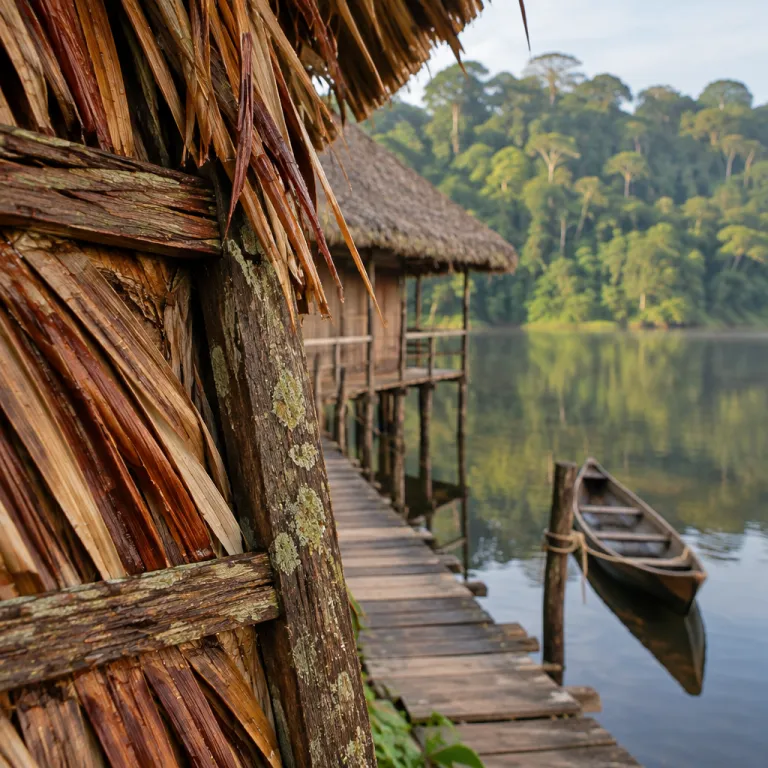
Once the boat leaves the Tuichi River and enters a narrow channel, the forest closes in and the air cools slightly. After a short trek on a well maintained trail, the jungle opens suddenly onto Chalalán Lake, with the ecolodge located discreetly among towering trees. Wooden walkways lead to spacious cabins, where screened windows, polished floors, and simple but elegant details create a calm retreat after long days in the forest.
For travelers comparing premium stays in park Bolivia, Chalalán stands apart because it is fully owned and managed by the indigenous community of San José de Uchupiamonas. The lodge’s profits support education, healthcare, and forest protection for community members, turning each stay into a direct investment in local livelihoods. In a region where many jungle lodge projects are externally controlled, this community model gives Chalalán ecolodge a rare sense of integrity and long term purpose.
Luxury travelers often ask whether a remote eco lodge can deliver comfort comparable to urban premium hotels. At Chalalán, hot showers, comfortable beds, and attentive service coexist with candlelit evenings, early morning bird calls, and the soft sounds of the Amazon at night. The result feels less like sacrificing comfort and more like redefining what luxury means in a national park setting.
From La Paz to Rurrenabaque and into Madidi National Park
Planning a stay at Chalalán ecolodge starts in La Paz, where most international flights arrive before guests connect to Rurrenabaque. Many travelers combine a few nights in La Paz’s high altitude luxury hotels and specialty coffee bars with a lowland Amazon escape, creating a striking contrast in a single trip. Those interested in Bolivia’s urban side can explore La Paz’s specialty coffee scene through this in depth guide on third wave cafés at 3 600 meters before flying down to the rainforest.
From La Paz, a short domestic flight brings you to Rurrenabaque, where the humid air and river views signal your arrival in the Amazon basin. Some people choose to spend one or two days in town, staying in simple riverside hotels and arranging final details for their tours into Madidi National Park. Others coordinate directly with Chalalán, which can organize transfers, permits, and the long river journey to the lodge in a seamless package.
The boat trip from Rurrenabaque follows first the Beni River and then the Tuichi River, gradually leaving farms and small settlements behind. As the boat enters the protected area of Madidi National Park, the forest becomes denser, and guides often point out macaws, capybaras, or caimans along the riverbanks. This approach by water helps guests understand how Chalalán, located in Madidi’s interior, depends on the health of both the Tuichi River and the wider Amazon watershed.
On arrival at the small landing point, guests walk a gentle trek of around thirty minutes through primary forest. This path, maintained by community members from San José de Uchupiamonas, offers an immediate introduction to local plants, insects, and bird calls. The first glimpse of Lake Chalalán through the trees, with canoes waiting for quiet tours on the water, often becomes one of the most memorable moments of the journey.
Travelers who value efficient logistics should coordinate their days carefully, especially during peak seasons when flights and river transport can fill quickly. Booking through a specialized Bolivia hotel and lodge platform helps align flight times, river departures, and lodge availability, reducing waiting times in Rurrenabaque. This level of planning is particularly important for guests with limited days who still want a deep immersion in Madidi National Park.
Life on the lake at Chalalán ecolodge
Daily life at Chalalán ecolodge revolves around Chalalán Lake, a tranquil body of water ringed by dense forest and alive with subtle movement. At dawn, mist rises from Lake Chalalán while birds call from the canopy and fish break the surface in brief ripples. Guests often start the day with early morning canoe trips, gliding silently across the lake as guides point out wildlife along the shore.
These canoe trips are a highlight of many tours, because the lake acts as a natural amphitheater for sound and reflection. Paddling across Chalalán Lake, you may see squirrel monkeys moving in loose groups through the trees, or hear the distant calls of howler monkeys echoing over the water. With patience and a quiet approach, it is sometimes possible to spot yellow squirrel monkeys feeding near the water’s edge, their movements mirrored in the still surface.
After breakfast at the lodge, guests choose between several guided walks and tours that explore different forest habitats. Shorter trails near the ecolodge located on the lakeshore focus on medicinal plants, birdlife, and the complex relationships between species in this part of the Amazon. Longer routes lead away from the lake into drier forest, where guides explain how the indigenous community of San José de Uchupiamonas uses specific trees, vines, and fruits in daily life.
Afternoons often bring a slower rhythm, with time to swim in designated areas of Chalalán Lake or simply rest in hammocks overlooking the water. Some people join additional canoe trips to search for caimans, herons, and other wildlife that becomes more active as the light softens. Others use these quieter hours to talk with community members working at the jungle lodge, learning how the project has changed opportunities in San José and beyond.
For travelers comparing different Amazon stays, Chalalán’s lake based setting contrasts with riverfront lodges elsewhere in Bolivia and neighboring countries. Those curious about alternative high end options can explore a curated overview of luxury Amazon lodges beyond Madidi, which highlights other jungle lodge experiences while underlining what makes Chalalán unique. The combination of a pristine lake, a fully indigenous owned eco lodge, and a location deep inside park Bolivia creates a distinctive sense of place that many guests find hard to match.
Wildlife, guided treks, and the rhythm of the Amazon
Wildlife is one of the main reasons people travel to Chalalán ecolodge, and the lodge’s location in Madidi National Park gives it a strong advantage. Madidi National is recognized by conservation organizations as one of the most biodiverse protected areas on the planet, with thousands of plant and animal species recorded. While no wildlife sighting is guaranteed, the combination of lake, forest, and nearby river habitats significantly increases the chances of memorable encounters.
Guided treks range from gentle walks of one or two hours to longer half day routes that explore more remote sections of forest. On these treks, local guides from the indigenous community of San José de Uchupiamonas interpret tracks, calls, and subtle signs that most visitors would miss entirely. Their knowledge, built over generations of living in this landscape, turns each trek into a layered narrative about survival, adaptation, and respect.
Guests often report seeing troops of squirrel monkeys moving quickly through the canopy, sometimes accompanied by the more elusive yellow squirrel monkeys. Birdwatchers appreciate the early morning hours, when macaws, toucans, and dozens of smaller species are most active around Lake Chalalán and along nearby trails. Night walks, offered on some days, reveal a different side of the Amazon, with frogs, insects, and nocturnal mammals emerging under the beam of a careful flashlight.
The proximity of the Tuichi River and the broader Amazon basin adds another dimension to wildlife viewing. Some tours combine time at the lake with excursions along the Tuichi River, where sandbanks attract capybaras and caimans, and forest edges provide habitat for tapirs and, very occasionally, jaguars. By moving between lake, forest, and river environments, guests gain a more complete understanding of how Madidi National Park functions as an interconnected system.
For travelers used to traditional luxury safaris, the rhythm at Chalalán feels both familiar and refreshingly different. Instead of vehicle based game drives, days revolve around walking, paddling, and quiet observation, with the lodge serving as a comfortable base between outings. This slower, more attentive pace aligns with the ethos of an eco lodge located in a fragile environment, where low impact tourism supports long term conservation goals.
Indigenous ownership and community led hospitality
One of the defining features of Chalalán ecolodge is its ownership structure, which places control firmly in the hands of the indigenous community of San José de Uchupiamonas. The project began as a partnership between conservation organizations and community leaders, but today the lodge is managed and staffed primarily by community members. This shift from external support to local leadership has turned Chalalán into a model for community based tourism in Bolivia and across the Amazon.
San José, often referred to as San José de Uchupiamonas, lies several days of trekking from the lodge, deep inside park Bolivia. Many of the people working at Chalalán divide their time between the village and the lodge, maintaining strong ties to family, agriculture, and traditional practices. Profits from the eco lodge support education, healthcare, and infrastructure in San José, creating a direct link between each guest’s stay and tangible improvements in community life.
For visitors, this ownership model translates into a style of hospitality that feels personal and grounded. Guides share stories about growing up along the Tuichi River, learning to read the forest, and participating in the creation of the lodge itself. Staff in the kitchen and housekeeping teams often come from the same extended families, and their pride in Chalalán ecolodge is evident in the care they bring to every detail.
Community members also play a central role in maintaining trails, monitoring wildlife, and enforcing rules that protect the surrounding forest. Because the ecolodge located on Chalalán Lake represents a long term investment for San José de Uchupiamonas, there is a strong incentive to keep hunting, logging, and fishing within sustainable limits. This alignment of economic benefit and conservation outcome is one reason why conservationists frequently cite Chalalán as a success story within Madidi National Park.
Travelers who value ethical luxury often seek out projects where their spending supports local agency rather than dependency. At Chalalán, the presence of community members in every aspect of operations, from canoe trips to lodge management, offers clear evidence of that agency in action. For many guests, conversations with guides and staff become as memorable as wildlife sightings, adding human depth to the natural beauty of Lake Chalalán and the surrounding Amazon forest.
Design, comfort, and what luxury means in the rainforest
Luxury in a remote Amazon setting looks different from luxury in a city hotel, and Chalalán ecolodge embraces this difference with quiet confidence. The lodge’s architecture uses local hardwoods and traditional designs, with cabins raised slightly above the ground to improve ventilation and reduce humidity. Wide verandas, high roofs, and screened windows allow breezes from Chalalán Lake and the surrounding forest to cool rooms naturally.
Inside the cabins, guests find comfortable beds with mosquito nets, private bathrooms with hot water, and thoughtful touches such as woven textiles from San José de Uchupiamonas. Lighting is often limited at night to reduce impact on wildlife, which means evenings unfold by soft lamp light and the sounds of the Amazon outside. For many travelers, this gentle transition away from bright artificial light becomes part of the lodge’s appeal, encouraging deeper rest after active days.
Meals at the lodge highlight local ingredients, with fish from approved areas of the Tuichi River, seasonal fruits, and vegetables sourced from nearby farms. The kitchen team, made up of community members, adapts menus to dietary needs while maintaining a clear sense of place in every dish. Shared dining spaces overlooking Lake Chalalán create a relaxed atmosphere where guests exchange stories about treks, canoe trips, and wildlife sightings.
Service at Chalalán balances professionalism with the warmth of a small, community run property. Staff know the rhythms of the forest intimately, advising guests on the best times for early morning birdwatching, afternoon swims, or night walks. This guidance helps visitors structure their days to match both personal energy levels and the natural cycles of the Amazon environment.
Travelers who enjoy comparing room categories and premium amenities can find inspiration in curated overviews of Bolivia’s best hotel suites, then apply those expectations thoughtfully to a jungle lodge context. While Chalalán cannot offer infinity pools or urban spa facilities, it delivers a different kind of luxury through space, silence, and proximity to wildlife. For many guests, waking to the calls of birds over Lake Chalalán and ending the day under a sky full of stars feels more indulgent than any city based experience.
How to plan your stay and choose the right itinerary
Choosing how many days to spend at Chalalán ecolodge depends on your interests, fitness level, and wider Bolivia itinerary. Most travelers opt for three to four days at the lodge, which allows time for multiple treks, canoe trips, and relaxed hours on the lake. Shorter stays are possible but can feel rushed, especially given the travel time from Rurrenabaque along the Beni River and Tuichi River.
When comparing tours, pay attention to how many guided activities are included each day and whether they focus more on wildlife, culture, or general forest exploration. Some packages emphasize early morning birdwatching and evening canoe trips on Lake Chalalán, while others include longer treks into different forest zones. Clarifying these details in advance helps align expectations and ensures that your days at the lodge match your priorities.
Travelers interested in community aspects may request more time with guides from San José de Uchupiamonas, visiting cultural sites near the lodge or learning about traditional crafts. Those focused on wildlife might prioritize routes known for higher chances of seeing squirrel monkeys, yellow squirrel monkeys, or specific bird species. In both cases, the flexibility of a community run eco lodge allows for thoughtful adjustments within the limits of safety and conservation rules.
Seasonality also shapes the experience, as river levels, rainfall, and wildlife behavior change across the year. During higher water periods, canoe trips may reach different parts of Chalalán Lake and nearby channels, while some forest trails become more challenging. In drier months, certain treks are easier, and sandbanks along the Tuichi River can attract more visible wildlife, though access by boat may require careful timing.
For guests planning a broader journey through Bolivia, combining Chalalán with other regions such as the Uyuni salt flats, Sucre, or the wine valleys near Tarija creates a rich, varied itinerary. Working with a specialist in Bolivia’s luxury and premium stays helps coordinate flights, transfers, and hotel bookings so that each segment flows smoothly into the next. In every case, anchoring your Amazon segment at Chalalán ecolodge ensures that at least part of your trip directly supports an indigenous community while immersing you in one of South America’s most remarkable national parks.
Key figures and conservation impact around Chalalán ecolodge
- Madidi National Park covers approximately 18 900 square kilometers, making it one of the largest protected areas in Bolivia and a core conservation zone for the upper Amazon basin (data from Bolivia’s National Service of Protected Areas).
- Scientific surveys have recorded more than 1 000 bird species in Madidi National Park, representing around 11 percent of all bird species on Earth in a single protected area (figures reported by conservation organizations working in the region).
- Community based tourism projects like Chalalán ecolodge have helped protect over 700 000 hectares of forest around San José de Uchupiamonas by providing alternative income to logging and hunting (estimates from long term project evaluations in the Madidi region).
- Boat transfers from Rurrenabaque to Chalalán along the Beni River and Tuichi River typically take between five and six hours, illustrating the lodge’s remote location and the need for careful logistical planning (based on operator schedules serving Madidi National Park).
- Average daytime temperatures in the lowland Amazon near Rurrenabaque and Chalalán range between 26 and 32 degrees Celsius, with high humidity, which influences packing lists and the design of naturally ventilated cabins (climate data from Bolivian meteorological services).
FAQ about staying at Chalalán ecolodge in Bolivia
How do I reach Chalalán ecolodge from La Paz ?
Most travelers fly from La Paz to Rurrenabaque, then continue by motorboat along the Beni River and Tuichi River into Madidi National Park. The boat journey usually takes five to six hours, followed by a short trek through the forest to reach Lake Chalalán and the lodge. Many guests arrange this entire route through Chalalán’s reservations team or a specialized Bolivia travel agency.
How many days should I stay at Chalalán ecolodge ?
A minimum of three days at the lodge is recommended to balance travel time with meaningful experiences. With three to four days, guests can enjoy multiple treks, early morning canoe trips, and relaxed afternoons on Lake Chalalán. Longer stays allow deeper exploration of trails and more opportunities for wildlife sightings.
What level of comfort does the lodge offer in such a remote area ?
Chalalán ecolodge provides comfortable cabins with private bathrooms, hot showers, and mosquito nets, along with well prepared meals and attentive service. Electricity and lighting are managed carefully to reduce environmental impact, so evenings are quieter and more atmospheric than in city hotels. The focus is on simple, high quality comfort that fits the realities of a remote Amazon setting.
Is Chalalán suitable for families and less experienced trekkers ?
The lodge welcomes families and travelers with varying fitness levels, offering a range of guided walks from easy to more demanding. Guides adapt treks and canoe trips to the group’s abilities, ensuring safety while still providing rich wildlife and cultural experiences. Parents should discuss children’s ages and needs with the reservations team to choose the most appropriate itinerary.
How does my stay support the indigenous community of San José de Uchupiamonas ?
Chalalán is owned and managed by community members from San José de Uchupiamonas, so a significant portion of revenue goes directly to local salaries and community projects. Profits help fund education, healthcare, and conservation initiatives that protect the surrounding forest and wildlife. By choosing Chalalán ecolodge, guests contribute to a long term model of community led, conservation focused tourism in Bolivia’s Amazon region.