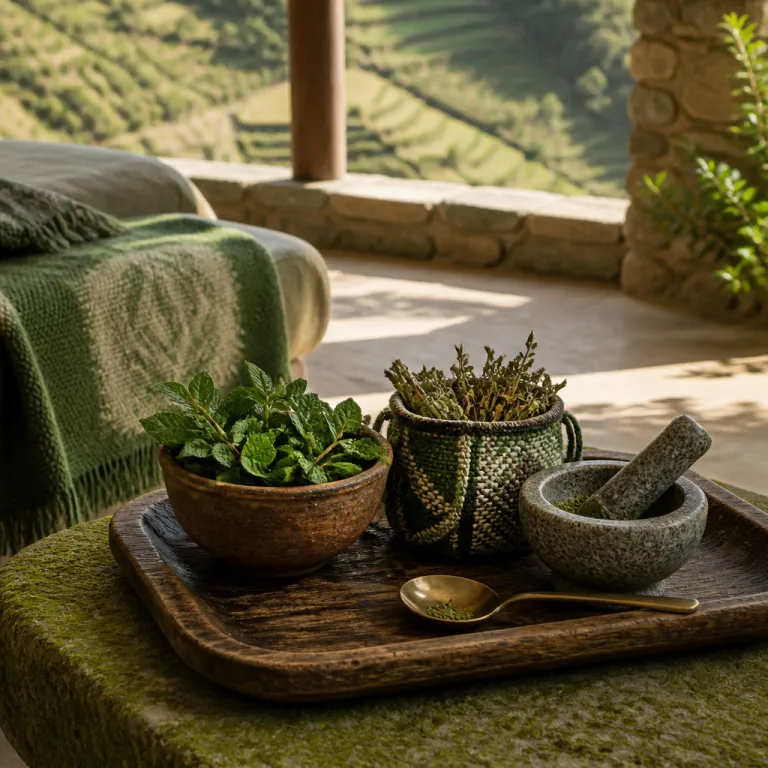
Why Kallawaya healing belongs in Bolivia’s luxury wellness conversation
High in the Cordillera Apolobamba, Kallawaya healers walk between worlds. Their Andean healing practice, rooted in Indigenous medicine and ritual, now shapes a new generation of place-based wellness retreats in Bolivia that feel genuinely anchored in landscape and culture. For couples used to polished hotel spa menus, this is a different kind of luxury, where unhurried time with a healer matters more than thread count.
Kallawaya medicine is recognized as a traditional Andean system that combines herbal remedies, coca leaf readings and offerings to Pachamama for both physical and spiritual balance. According to UNESCO’s 2008 listing of “Andean Cosmovision of the Kallawaya” as Intangible Cultural Heritage, these itinerant practitioners from the Charazani region near Lake Titicaca work with more than 900 species of medicinal plants, and that depth of knowledge underpins the most serious wellness programs in Bolivia. When a property claims to honor Kallawaya traditions, you should expect real engagement with those medicinal plants and not just a themed massage using generic aromatherapy oils.
For travelers comparing wellness options across Bolivia and neighboring Perú, the Kallawaya lens is a useful filter. In Perú, retreats in the Sacred Valley often focus on Inca cosmology and Amazon plant ceremonies, while in Bolivia the emphasis around Lake Titicaca and La Paz leans toward Kallawaya herbal medicine and high-altitude adaptation. A thoughtful luxury itinerary might combine a refined hotel spa in La Paz with time near the sacred lake, where the air, the light and the plants all support slower, more attentive travel and create space for meaningful encounters with Andean healers such as members of the Kallawaya council in Curva or respected practitioners from Charazani who occasionally collaborate with high-end lodges.
From La Paz to Lake Titicaca: where luxury meets Kallawaya wellness
La Paz is the natural starting point for most high-end Andean healing journeys in Bolivia. The city’s altitude demands respect, so your first hotel should offer oxygen, quiet rooms and a spa team trained to handle guests easing into thin air. Properties such as Camino Real in the upscale Calacoto district pair urban polish with access to guides who understand both the classic city tour circuit and the emerging wellness scene.
Couples can spend a day exploring the surreal rock formations of Moon Valley before returning to a hotel spa treatment that uses local salt and Andean plants instead of imported products. One La Paz spa director described how guests “arrive exhausted from long flights and leave their first session smelling of muña and eucalyptus, finally breathing deeply again,” while another practitioner noted that visitors often ask to take home small sachets of herbs used in their steam baths. Some properties now collaborate with Kallawaya practitioners for occasional coca leaf readings or short traditional ceremonies, always framed as optional cultural encounters rather than entertainment. When you evaluate these offers, ask whether the healer is Indigenous, whether they are affiliated with a recognized Kallawaya association and whether a fair fee is included for their time, because ethical luxury means the local community benefits as much as the guest.
From La Paz, many travelers will visit Lake Titicaca, where the Kallawaya heartland lies just beyond the usual Copacabana route. On the Bolivian shore, Inca Utama and the nearby Utama Hotel have historically promoted Andean culture, and some programs reference Kallawaya knowledge alongside Inca heritage. Before booking, request clear information about which rituals are led by recognized healers and which are interpretive experiences curated by the hotel, then compare those details with more conventional luxury spa hotels in Bolivia highlighted in this guide to refined wellness and exceptional stays: luxury spa hotels in Bolivia, which is a commercial overview rather than an academic source.
Uyuni’s salt hotels and the quiet power of elemental spa rituals
Far from the green slopes above Lake Titicaca, the Uyuni region offers a starkly different setting for restorative wellness escapes in Bolivia. Here the landscape is defined by salt flats that stretch for more than 10 000 square kilometres, reflecting the sky and reshaping your sense of distance. Staying in a real hotel built from salt blocks, where the walls and floors echo the salar, turns the environment itself into part of the spa experience.
Properties such as Luna Salada and other salt lake lodges near Salar de Uyuni often integrate simple but effective wellness rituals into their programs. A soak using mineral-rich Uyuni salt, followed by a massage that incorporates local medicinal plants, can be framed with Andean gratitude offerings that nod respectfully to Kallawaya traditions without claiming to replace them. When a hotel spa in Uyuni advertises Kallawaya-inspired treatments, ask whether any Indigenous healers were consulted in designing the menu, whether their names or community affiliations are shared in writing and whether ongoing collaboration is included, rather than a one-time workshop.
Many couples pair a salar Uyuni stay with a broader Bolivia wellness circuit that also touches the Amazon lowlands or the wine valleys around Tarija. A typical tour might include a night in La Paz, a flight to Uyuni for two or three days on the salt flats, then a return to the city where you will be transferred to Lake Titicaca or onward to Santa Cruz. For a deeper look at how spa retreats across the country connect altiplano, jungle and city, explore this overview of Bolivia spa retreats and wellness escapes from the high plateau to the Amazon basin: Bolivia spa retreats and wellness escapes, which provides a curated selection of properties rather than a neutral directory.
Designing an ethical Kallawaya focused itinerary across borders
Thoughtful couples often combine Bolivia with Perú when planning an Andean healing–focused luxury retreat. The Sacred Valley near Cusco, home to properties such as Willka T’ika Wellness Retreat, offers high-end programs that blend yoga, meditation and Andean ceremonies in a lush setting. In Bolivia, the tone is more austere and high altitude, with Kallawaya medicine and Lake Titicaca forming the spiritual backbone of many itineraries.
One elegant route begins in Santa Cruz, where lower altitude and warm air help you acclimate gently before flying to La Paz. After a city tour that includes the Witches’ Market and viewpoints over the canyon-carved neighborhoods, you will be transferred to a calm hotel such as Camino Real or a similar property with a serious spa. From there, a private tour can take you toward Lake Titicaca, stopping in local communities where Indigenous healers still gather medicinal plants and explain how their practice differs from more widely known Peruvian Amazon shamanism, often emphasizing diagnostic coca readings and complex herbal combinations over visionary plant ceremonies.
Some travelers extend the circuit to include Machu Picchu and the Sacred Valley in Perú, creating a cross-border narrative that links Inca archaeological sites, Kallawaya herbal knowledge and contemporary wellness design. When you compare retreats, look closely at how each program frames coca leaf use, whether Amazon plant ceremonies are optional and clearly contextualized, and how much time is actually spent with recognized healers rather than guides. For more ideas on combining wellness with soft adventure, including salar Uyuni excursions and high-altitude hikes, consult this in-depth guide to luxury and premium hotel booking in Bolivia for discerning travelers: luxury and premium hotel booking in Bolivia, which outlines sample itineraries and booking strategies.
How to choose a retreat that truly honors Kallawaya medicine
Selecting the right Kallawaya-informed wellness program in Bolivia requires more than scanning spa menus. Start by asking whether Kallawaya healers are directly involved in designing the rituals and whether their role is presented as central or merely decorative. A serious operator will be transparent about which ceremonies are traditional and which are contemporary wellness adaptations inspired by Indigenous knowledge, and may be willing to share written agreements that outline fees, consent for photography and limits on group size.
Ethical questions matter because Kallawaya medicine is not a performance but a living Indigenous practice that supports real communities. When a hotel or tour company offers plant-based cleansings, coca readings or Pachamama offerings, you should ask how the healers are compensated, whether they belong to a local association, how many guests they see per day and whether guest numbers per ceremony are limited to protect the integrity of the work. Respectful programs often cap group sizes, schedule time for quiet integration and encourage guests to treat the experience as a visit to someone’s spiritual home rather than a spa add-on.
Altitude can be demanding around La Paz, Lake Titicaca and the Uyuni region, so plan at least one easy day on arrival and consult your healthcare provider before engaging in herbal treatments or energetic cleansings. Organizers frequently remind guests to acclimate to high elevations before participating, respect local customs and traditions, and seek medical advice in advance, and those simple guidelines remain the best baseline for any serious wellness journey in Bolivia or neighboring Perú.
FAQ
What is Kallawaya medicine in the context of Bolivian wellness travel ?
Kallawaya medicine is a traditional Andean healing system practiced by itinerant Indigenous healers from the Charazani region near Lake Titicaca in Bolivia. It combines herbal remedies prepared from hundreds of medicinal plants with coca leaf readings and spiritual rituals that honor Pachamama. In luxury travel, it appears as carefully curated encounters with these healers or as spa programs inspired by their pharmacopoeia, rather than as a conventional hotel spa treatment list.
Are Kallawaya inspired retreats suitable for every traveler ?
Retreats that integrate Kallawaya traditions usually take place at high altitude and may involve strong herbal infusions or emotionally intense ceremonies. Travelers with heart, respiratory or mental health conditions should speak with their doctor before booking and share any concerns with the retreat organizer. As one expert summary puts it, “Are these retreats suitable for everyone? Consult with retreat organizers regarding health requirements and suitability,” and ask whether they can adapt activities for your specific needs.
How do I participate respectfully in Kallawaya ceremonies as a guest ?
Approach any Kallawaya-led ritual as a cultural and spiritual exchange rather than a performance purchased with your room rate. Ask permission before taking photos, follow the healer’s guidance on offerings and behavior, and avoid treating sacred plants as recreational experiences. Choosing operators who pay fair fees, limit group sizes and involve local communities in decision making is one of the most effective ways to show respect.
What should I pack for an Andean healing focused wellness itinerary in Bolivia ?
Pack layered clothing for rapid temperature changes between La Paz, Lake Titicaca and Uyuni, along with a good sun hat, high SPF sunscreen and comfortable walking shoes. Many couples appreciate bringing a journal to record insights after ceremonies, plus any prescribed medications and copies of medical information for retreat staff. Retreat organizers often suggest “comfortable clothing, personal items, and an open mind,” and that combination works well across most luxury wellness programs in the Andes.
Can I combine Kallawaya experiences with visits to Machu Picchu or the Amazon ?
Many travelers design itineraries that link Kallawaya encounters in Bolivia with visits to Machu Picchu, the Sacred Valley in Perú or Amazon lodges in either country. The key is to pace the journey, allowing time to acclimate in cities like Santa Cruz or La Paz before heading higher to Lake Titicaca or the salt flats. Working with a specialist in luxury Andean travel helps ensure that flights, hotel choices and ceremony days are sequenced to support both your health and the integrity of the healing work.