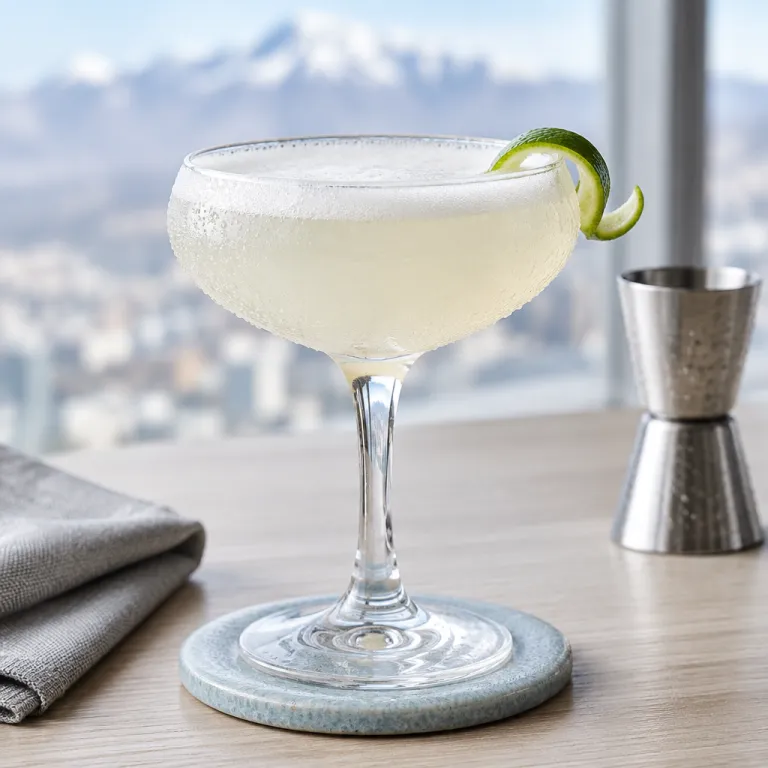
Singani at altitude: the national spirit steps into the hotel bar
Singani is Bolivia’s quietly confident answer to pisco, and luxury hotel bars are finally treating it that way. This grape spirit is distilled from Muscat of Alexandria grown in high valleys, where vineyards sit dramatically above many famous South American wine regions. When you drink singani in a polished La Paz hotel bar, you taste not only a refined spirit but also the high altitude light, the dry air and the Bolivian landscape in the glass.
Unlike pisco, singani holds a Bolivian denomination of origin that ties it to specific valleys in the country, and serious hotel cocktail programs lean into that provenance. Properties in La Paz and Tarija now list singani cocktails alongside imported wine and premium beer, positioning the national drink as a peer rather than a curiosity. For business leisure travelers, this shift opens a window onto a more confident Bolivian identity, where a singani cocktail Bolivia hotel bar experience feels as natural as ordering Champagne in Paris.
The base grape matters here ; Muscat Alexandría, also known as white Muscat, gives singani its lifted floral notes and bright citrus character. At high altitude, often well above 1,800 meters above sea level, the grapes develop intense aromatics that translate directly into the taste of the final spirit. When bartenders in leading bars talk about singani Bolivia traditions, they speak about altitude, terroir and the way this spirit can carry Andean herbs, black tea infusions or passion fruit without losing its own voice.
From chuflay to creative cocktails: rethinking the classic singani highball
Every serious singani cocktail Bolivia hotel bar menu starts with the chuflay, the unfussy highball that locals order without a second thought. Traditionally, you drink singani with ginger ale and a squeeze of lime, sometimes called ale and lime in English speaking menus. At altitude in La Paz, where the city climbs above 3,600 meters above sea level, that simple mix of singani ginger, ginger ale and citrus feels both bracing and surprisingly elegant.
Luxury hotel bars are now treating the chuflay as a canvas for creative cocktails rather than a fixed recipe. At a polished rooftop bar in the Zona Sur of La Paz, one version layers singani, house made ginger ale, a touch of black tea syrup and a spray of saline to echo the nearby altiplano. Another property pairs singani ginger highballs with refined Andean snacks, aligning the drink with the city’s fine dining evolution and the new generation of chefs shaping eating at 3,600 meters in La Paz.
For travelers used to pisco sours in Peru or mezcal cocktails in Mexico, the chuflay is the gateway to understanding how a Bolivian national drink behaves in a glass. Ask the bartender to guide a short tour of variations, moving from the classic highball to versions with passion fruit, white Muscat aromatics or subtle floral notes from local herbs. In the best bars, that informal tour Bolivia tasting becomes a compact masterclass in how high altitude spirits respond to carbonation, citrus and temperature.
La Paz and Tarija: hotel bars leading Bolivia’s singani cocktail movement
La Paz has become the natural laboratory for the singani cocktail Bolivia hotel bar renaissance, thanks to its density of international travelers and ambitious properties. In the city’s smarter districts, lobby bars now stock multiple expressions of singani Bolivia producers, often listed alongside South America’s better known pisco and Argentine wine. The altitude, the business travel traffic and a growing local middle class have combined to support bars that treat Bolivian spirits with the same respect as imported whisky.
Tarija, by contrast, offers a slower, vineyard adjacent rhythm where hotel bars lean into proximity to the source. Here, a pre dinner drink singani ritual might involve a short explanation of Muscat Alexandría grapes, the meters above sea level at which they grow and how that high altitude sun shapes the spirit’s taste. Many Tarija properties pair singani cocktails with local cheeses or chocolate, and some collaborate with artisans featured in journeys such as the Bolivian cacao and craft chocolate tasting route.
Across both cities, the most compelling bars share a few traits ; they train staff to explain why singani is different from pisco, they balance classic cocktails with creative cocktails and they frame the national drink as part of a broader Bolivian story. You might see a menu section titled singani cocktails of the country, with options that reference La Paz, Tarija or even the salt flats. For the business leisure traveler extending a tour Bolivia itinerary, these hotel bars become efficient tasting rooms where one evening can replace several days of distillery visits.
Pairing singani with altitude dining and Andean ingredients
High altitude changes how you taste, and Bolivia’s better hotel restaurants quietly design their singani cocktail programs around that fact. At 3,000 meters or more, lower oxygen levels and drier air can mute aromas, which matters when a spirit is defined by floral notes and Muscat derived perfume. Smart bartenders respond by dialing up aromatics, using white Muscat heavy singani, passion fruit purées and black tea reductions to keep each drink expressive.
In La Paz, where many travelers first feel the effects of high altitude, pairing guidance becomes part of the service ritual. A server might suggest a chilled singani and ginger ale highball before dinner, then a stirred singani and black tea drink with dessert, explaining how temperature and dilution affect taste at meters above sea level. For guests arriving from sea level cities, these explanations can be as valuable as any altitude medicine, especially when paired with resources like the luxury traveler’s altitude playbook.
Andean ingredients give hotel bars a deep pantry for singani cocktails that feel rooted in the country rather than generic. Think of a martini style drink singani accented with huacatay herb, or a long drink built on singani ginger, ale and lime, and a float of passion fruit to echo local desserts. When executed well, these pairings turn a simple bar order into a compact tour Bolivia experience, where each sip opens a window onto regional produce, traditional flavors and the way Bolivian chefs now frame their own culinary identity.
From the bar to your suitcase: choosing a singani to bring home
For the business leisure traveler, a bottle of singani is both a souvenir and a story, especially when it comes from a hotel bar that treated the spirit with respect. Ask the head bartender which label they pour in their signature singani cocktails, and why that particular spirit works in both short and long drinks. Their answer will usually reference Muscat Alexandría sourcing, high altitude vineyards and the meters above sea level that shape the final taste.
Many luxury properties in Bolivia now curate small retail selections behind the bar, allowing guests to buy the exact spirit they have been drinking. When you choose a bottle, think about how you like to drink singani at home ; if you prefer highballs with ginger ale and lime, look for a bright, floral style, while fans of stirred cocktails might favor a more structured expression. Remember that at sea level the same spirit can feel slightly richer than it did in La Paz or Tarija, because your nose and palate behave differently away from high altitude air.
Back in the United States, singani remains relatively niche, despite the efforts of filmmaker Steven Soderbergh, whose work with the brand Singani 63 has introduced many travelers to the Bolivian national drink. His involvement has helped position singani as a serious South American spirit rather than a curiosity, and some hotel bars reference his story when explaining the category to guests. Whether or not you find that specific label, the important thing is to bring home a bottle that reminds you of a particular bar, a specific evening and the way Bolivia’s high hotels are quietly rewriting the rules of what a lobby drink can be.
FAQ
What makes singani different from pisco in hotel cocktails ?
Singani and pisco are both grape based spirits, but they come from different countries, grape varieties and altitude conditions. Singani is produced in Bolivia from Muscat of Alexandria grown in high valleys, while pisco is associated with Peru and Chile and often uses a broader mix of grapes at lower elevations. In a hotel bar, singani usually shows more pronounced floral notes and a lighter, aromatic profile, which makes it especially suited to highballs and delicate cocktails.
Where should I try a singani cocktail in Bolivia if I only have one night ?
If your time is limited, focus on a high end hotel bar in La Paz or Tarija, where staff are trained to explain the spirit and offer guided tastings. In La Paz, rooftop bars and lobby lounges in the upscale southern districts tend to have the most developed singani cocktail lists. In Tarija, properties close to the vineyards often integrate singani flights into pre dinner rituals, giving you a compact overview of the category.
How does high altitude affect the way singani tastes ?
At high altitude, lower oxygen levels and drier air can slightly dull your sense of smell, which is crucial for appreciating an aromatic spirit like singani. Bartenders in Bolivian hotel bars compensate by using more expressive singani, adjusting dilution and playing with temperature to keep aromas vivid. Many travelers notice that the same singani tastes a little richer and more intense when they drink it again at sea level back home.
Can I replace gin or vodka with singani in familiar cocktails ?
Singani can stand in for gin or vodka in many recipes, especially those that benefit from floral notes and a grape based texture. In Bolivia, hotel bartenders often build martini style drinks, Collins variations and even Negroni inspired cocktails around singani instead of the usual base spirits. If you enjoy those versions in a hotel bar, you can easily recreate them at home using the same proportions and adjusting citrus or sweetness to taste.
Is it easy to bring a bottle of singani back to the United States ?
Most travelers can bring a standard duty free allowance of alcohol into the United States, and singani bottles purchased from reputable hotel bars or shops in Bolivia usually fall within those limits. Check current U.S. Customs and Border Protection guidelines before you travel, and pack the bottle securely in your checked luggage if it is not duty free. Choosing a label you tasted in a hotel bar ensures you know how it performs in cocktails once you are back at sea level.